
Pruning
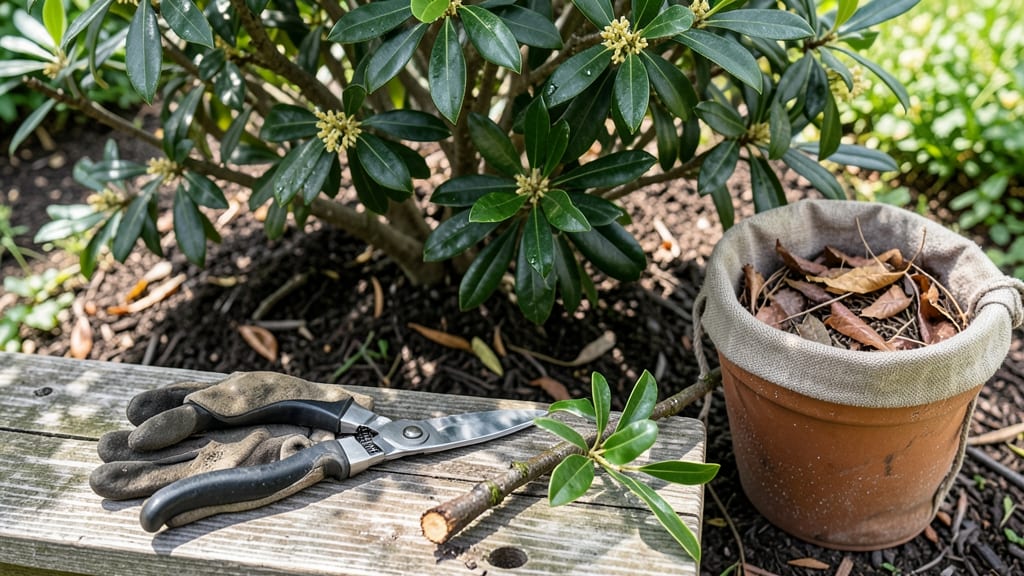
Pruning Laurus nobilis transforms your bay laurel from tangled mess to neat, lush focal point—and the best part? You can shape it year-round without stress. 🌿 I’ve pruned mine for five years, and the secret isn’t just cutting branches—it’s understanding how this evergreen responds to light and growth patterns.
The key is timing and technique: prune lightly in spring to encourage new growth, do heavier shaping after flowering in summer, and avoid harsh cuts in winter when the plant is dormant. Most people over-prune, leaving bare spots that take years to recover.
A sharp pair of pruners and a clear vision of your desired shape are all you need. By following these steps, you’ll end up with a denser, healthier laurel that stays compact and produces those glossy leaves you love. The best part?
You’ll notice fresh new growth within 4-6 weeks of pruning, proving you’re on the right track. This method works for both small topiary-style laurels and large hedges. Ready to give yours the makeover it deserves?
📚 In This Guide
- What you need
- Instructions
- Tips and common mistakes
- Wrapping up and next steps
What you need
- ● Bypass pruners: Sharp, high-quality pruners (e.g., Felco or Fiskars) for clean cuts on small branches (¼"–¾" diameter). Quantity: 1 pair.
- ● Loppers: For thicker branches (¾"–2" diameter). Quantity: 1 pair.
- ● Pruning saw: For branches larger than 2" in diameter. Quantity: 1.
- ● Garden gloves: Heavy-duty, cut-resistant gloves (e.g., Mechanix or Wolverine) to protect hands. Quantity: 1 pair.
- ● Disinfectant: 70% isopropyl alcohol or a 10% bleach solution to sterilize tools between cuts. Quantity: Small bottle.
- ● Ladder or step stool: For reaching higher branches safely. Quantity: 1 (if needed).
- ● Hand pruners with ratchet: For extended pruning sessions (reduces hand fatigue).
- ● Tree wound dressing: Pruning sealant (controversial but useful for large cuts).
- ● Work apron with pockets: Keeps tools organized while you prune.
- ● Safety glasses: Protects eyes from debris.
- ● Notebook/pencil: To jot down notes on cuts or future pruning plans.
- ● Check the weather: Prune on a dry, overcast day to reduce stress on the tree.
- ● Gather a bucket or tarp to collect fallen leaves/branches.
- ● Wear closed-toe shoes and long sleeves for protection.
Step-by-step guide to pruning Laurus nobilis for shape and health
Laurel trees reward patience—here’s how to shape them beautifully while keeping them vigorous.
✂️ Step 1: Time Your Pruning for Optimal Growth
Prune your Laurus nobilis in early spring (March–April) just as new growth begins. This timing ensures you cut back before the plant’s energy shifts to leaf production. Avoid heavy pruning in late summer or fall—it leaves branches vulnerable to frost damage and weakens next year’s growth.
If you need to shape lightly for aesthetics, do it in late spring after the first flush of leaves appears. You’ll see fresh, bright green growth signaling it’s safe to trim. Never prune during winter dormancy—dry, brittle wood won’t heal properly.
✂️ Step 2: Use the Right Tools for Clean Cuts
Grab sharp, clean pruning shears (bypass pruners work best) and a pruning saw for thicker branches over ½ inch in diameter. Dull tools crush stems, leaving ragged edges that invite disease. Wipe blades with rubbing alcohol between cuts to prevent spreading sap-borne infections.
Make cuts at a 45-degree angle, about ¼ inch above an outward-facing bud or branch collar. This encourages new growth to sprout in the right direction. If you’re removing a large branch, cut in three stages: first undercut the bottom, then make the top cut, and finally remove the stub. This prevents tearing the bark.
☀️ Step 3: Prune for Structure and Airflow
Start by removing dead, diseased, or crossing branches—these compete for resources and create entry points for pests. Look for branches that rub against each other or grow inward; these should go first. Thin out crowded areas to improve air circulation, which reduces fungal issues like powdery mildew.
For shaping, prune no more than ⅓ of the plant’s foliage in one session. Cut back to an outward-facing bud to maintain a natural, open form. Avoid "lion’s tailing" (cutting all branches to stubs)—this stresses the plant and encourages weak, leggy regrowth. Instead, focus on gradual shaping over 2–3 years for a balanced silhouette.
🌿 Step 4: Encourage Bushier Growth with Strategic Trims
To promote denser foliage, trim the tips of new growth in late spring. This signals the plant to branch out instead of stretching upward. Pinch back the topmost ¼ inch of soft, flexible shoots—you’ll see side buds form within 4–6 weeks. Avoid pruning woody stems; only cut back to the nearest leaf node.
If your laurel has become leggy, prune just above a set of leaves (not bare wood) to encourage new growth from lower branches. Water deeply after pruning to help the plant recover. You’ll notice fresh, vibrant leaves emerging from the trimmed areas within 2–3 weeks, signaling successful regrowth.
⏰ Step 5: Post-Pruning Care for a Healthy Recovery
After pruning, apply a balanced, slow-release fertilizer (10-10-10 ratio) around the base of the plant. This gives it the nutrients needed to heal and produce new growth. Water thoroughly to settle the soil and prevent transplant shock if you’ve made significant cuts. Avoid overwatering—laurels prefer well-draining soil and hate soggy roots.
Monitor the plant for new growth within 3–4 weeks. If you see yellowing leaves or wilting, it may be stressed—reduce watering slightly and ensure it’s in partial shade for a few days. Once healthy shoots appear, gradually reintroduce it to full sun**. Regular pruning keeps laurels compact, healthy, and productive for years.
Tips & tricks for pruning laurel trees
These simple tricks will help you shape your Laurus nobilis like a pro while keeping it thriving for years.
Timing is Everything: The early spring window (March-April) is non-negotiable for serious pruning. This is when the plant's energy is shifting from dormancy to growth—cutting back now lets you shape without stressing the tree. If you must do light shaping later, wait until late spring when you see those fresh, bright green leaves appear. I've seen too many gardeners prune in fall and end up with frost-damaged branches that never recover properly.
Tool Prep Prevents Problems: Before you make a single cut, sharpen your pruning shears and clean them with rubbing alcohol. Dull blades tear stems instead of making clean cuts, which invites disease. For branches thicker than ½ inch, use a pruning saw—never try to force shears through thick wood. And here's my secret: make your cuts at a 45-degree angle about ¼ inch above an outward-facing bud. This tiny detail makes all the difference in encouraging healthy regrowth.
Structure Over Speed: Resist the urge to remove more than ⅓ of the foliage in one session—this is the golden rule of laurel pruning. Think of it as a three-year project: focus on removing dead, crossing, or inward-growing branches first, then gradually shape over time. I've learned the hard way that "lion's tailing" (cutting everything back to stubs) creates weak, leggy regrowth that looks terrible and struggles to recover.
Recovery Care Matters: After pruning, don't just walk away. Apply that 10-10-10 fertilizer and water deeply to help the plant recover. Monitor for new growth within 3-4 weeks—if you see yellowing leaves, it's stressed. Move it to partial shade for a few days and cut back on watering. The first fresh leaves that appear after pruning are your best indicator of success.
Pro Tips for Pruning Laurus Nobilis
- These simple tricks will help you shape your Laurus nobilis like a pro while keeping it thriving for years.
- Timing is Everything: The early spring window (March-April) is non-negotiable for serious pruning. This is when the p...
- Tool Prep Prevents Problems: Before you make a single cut, sharpen your pruning shears and clean them with rubbing al...
Frequently asked questions
Got questions about pruning Laurus nobilis? You’re not alone! Here are some of the most common queries—plus quick, actionable answers to keep your bay laurel thriving.
When is the best time to prune my laurel tree?
The ideal time is late winter or early spring (just before new growth starts). This helps avoid stressing the plant during dormancy. However, you can do light pruning in summer if needed—just avoid heavy cuts during extreme heat.
How much can I trim without harming my laurel?
Laurel trees are resilient, but never remove more than 25% of the foliage in one session. Over-pruning weakens the plant and can lead to disease. For shaping, focus on gradual cuts—think "less is more" for long-term health.
Why is my laurel turning brown after pruning?
Brown leaves after pruning usually mean over-pruning or dry conditions. If it’s mild, the tree will recover with proper watering. For severe browning, check for pests (like spider mites) or fungal issues—trim affected branches and treat with neem oil if needed.
Can I prune laurel to keep it small, like a hedge?
Laurel responds well to formal hedging. Use sharp shears to shape it into a cube, spiral, or other design. Prune regularly (every 4–6 weeks) to maintain size, and fertilize lightly in spring to encourage dense growth.
What’s the difference between pruning for shape vs. health?
| Shape Pruning | Health Pruning |
|---|---|
| Focuses on aesthetics—cutting back to encourage bushiness or a specific form. | Removes dead, diseased, or crossing branches to improve airflow and vitality. |
| Best done in spring or summer. | Can be done year-round if branches are clearly problematic. |
Pro tip: Combine both! Trim for health first, then shape as needed.
Wrapping up and next steps
Pruning your Laurus nobilis doesn’t have to be intimidating—it’s all about timing, technique, and a little patience! 🌿 By following the right steps, you’ll encourage lush growth, maintain its shape, and keep your tree thriving year-round. Whether you’re trimming for aesthetics or health, remember: consistency is key.
Ready to take the next step? Grab your tools, pick a sunny day, and give your laurel tree the care it deserves. Your green-thumbed efforts will pay off with a stunning, healthy plant!