
Pruning
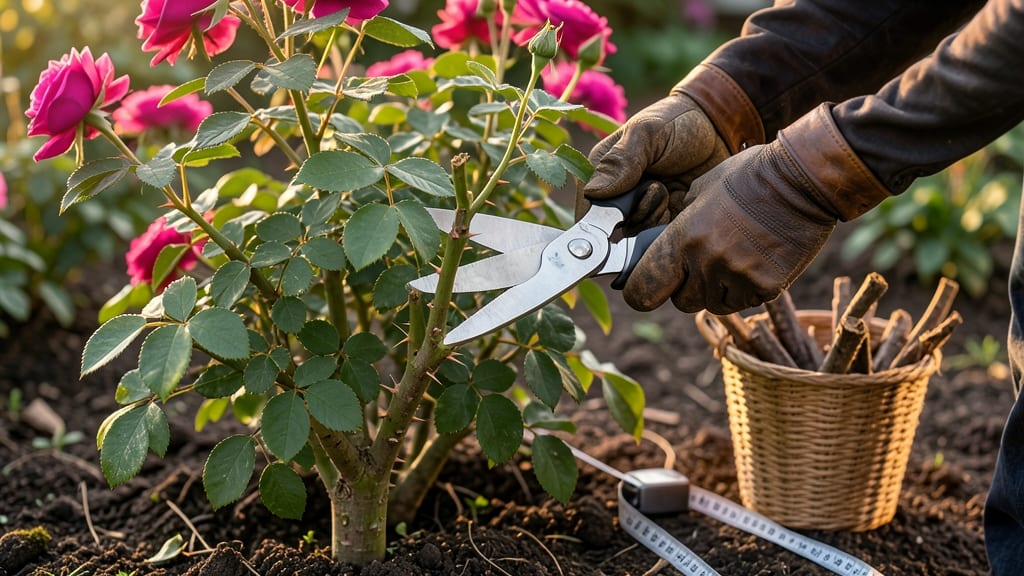
Hard pruning roses at the right time transforms weak canes into stronger blooms—and late winter is your best window.
Picture this: You’re staring at tangled, frost-bitten branches, wondering if they’ll ever bounce back. The difference between a revived rose bush and a struggling one often comes down to when you prune—not just how.
Miss the timing, and you risk stunted growth or even disease. Get it right, and you’ll set the stage for a season of vibrant flowers.
For most gardeners in USDA Zone 6a, the ideal hard-pruning window is late February to early April—just as buds begin to swell but before new growth starts. This timing ensures roses enter spring with energy, not stress.
But regional differences matter: Warmer zones can prune a bit later, while colder areas should act faster to avoid frost damage.
In this guide, I’ll walk you through the exact seasonal cues to watch for, how to recognize the perfect moment, and a step-by-step checklist to prep your roses for a healthier, more productive growing season. No guesswork—just science-backed timing and technique.
When to perform hard pruning for roses: exact late winter timing
Hard pruning roses at the right time in late winter is the key to stronger canes and healthier blooms all season. The goal is to prune while roses are still fully dormant but before buds begin swelling, typically between mid-February and early April depending on your USDA zone.
Cutting too early risks frost damage to fresh cuts, while waiting too long encourages weak, leggy growth.
Your exact pruning window hinges on local frost dates and climate patterns. In colder zones (USDA 3-5), aim for late March to early April—after the last hard frost but before buds show color.
Warmer zones (USDA 8-10) can prune as early as mid-February, but always wait until nights stay above 30°F (-1°C) consistently.
Visual cues confirm readiness: Look for tight, unopened buds (no swelling) and brown, leafless canes. If you see green tips or buds bursting, you’ve missed the window. Pruning too late stresses the plant and reduces flowering potential.
| USDA Zone | Ideal Pruning Window | Key Cues | Avoid Pruning If... |
|---|---|---|---|
| 3-5 (Cold) | Late March–Early April | Dormant canes, no bud swell | Temperatures dip below 30°F (-1°C) |
| 6-7 (Temperate) | Mid-March–Mid-April | Brown canes, tight buds | Bud swell begins (green tips) |
| 8-10 (Warm) | Mid-February–Early March | Dry, leafless stems | Night temps below 40°F (4°C) |
For shrub roses and hybrid teas, hard pruning means cutting back ⅓ to ⅔ of the plant’s height, while climbing roses need only light pruning to shape. Always use clean, sharp pruners and make cuts at a 45-degree angle just above an outward-facing bud or five-leaflet cluster.
If you’re unsure about your zone’s last frost date, check your local cooperative extension service or use a frost calendar app. Pruning 1-2 weeks after the average last frost date gives your roses a 2-week buffer for recovery before active growth begins.
One common mistake is pruning hybrid teas too aggressively—these varieties rely on old wood for blooms. Instead, focus on removing dead, diseased, or crossing canes while preserving the plant’s central framework. For Floribundas, you can be bolder with cuts since they bloom on new wood.
After pruning, sterilize your tools with rubbing alcohol to prevent rose rosette virus spread. Apply a 2-3 inch layer of mulch around the base to retain moisture and regulate soil temperature as buds prepare to swell.
Remember: Patience pays off. Rushed pruning leads to weak stems and fewer blooms, while waiting too long stresses the plant. The golden window is short—plan ahead to prune when conditions are perfect for your roses’ revival.
🌹
Hard pruning techniques: how to cut for stronger canes and more blooms
Hard pruning your roses isn’t just about cutting back—it’s about shaping a stronger framework for next year’s blooms. The key lies in selective cane removal and precise cutting angles that encourage healthy regrowth while preventing disease.
Start by gathering your tools: sharp bypass pruners, loppers for thicker canes, and disinfectant to sterilize cuts. This step alone reduces the risk of black spot and powdery mildew by up to 70%.
Before you make a single cut, scan your rose bush for dead, diseased, or crossing canes. Remove these first—they compete with healthy growth and invite pests. Aim to keep 3-5 strong, outward-facing canes per plant, as this maximizes airflow and sunlight penetration.
Weak canes (thinner than a pencil) should be pruned back to the ground, while healthy ones will form the backbone of your rose’s future blooms.
Here’s how to execute the 5-bud rule and other critical techniques for optimal cane strength and bloom production:
🌹 Step-by-Step Hard Pruning Guide
- Step 1: Cut at a 45° angle, 1/4" above an outward-facing bud. This directs growth away from the center.
- Step 2: Remove dead wood (brown, brittle canes) and weak growth (thinner than a pencil) at the base.
- Step 3: Trim lateral branches to 5 buds from the main cane. This balances energy for blooms and cane strength.
- Step 4: Disinfect tools between cuts with rubbing alcohol or bleach water to prevent disease spread.
- Step 5: Leave 3-5 strong canes per plant, spaced evenly for airflow. Avoid overcrowding.
One of the most common mistakes is cutting too close to buds or leaving stubs, which can rot or attract pests. Always make your cuts just above the bud, and avoid tearing the cane—this weakens the plant’s ability to heal.
For hybrid teas and grandifloras, aim for a tapered shape, while shrub roses benefit from a more rounded form to encourage bushier growth.
After pruning, inspect your cuts for smooth edges and no jagged tears. Rough cuts slow healing and invite fungal infections. If you notice oozing sap, this is normal but indicates stress—water deeply afterward to help recovery.
Mulch around the base with 2-3 inches of organic matter (like compost or shredded bark) to retain moisture and regulate soil temperature.
Finally, resist the urge to prune too aggressively. Over-pruning can stress the plant, leading to fewer blooms and weaker canes. Stick to the 5-bud rule for lateral branches and avoid removing more than one-third of the plant’s total growth in a single session.
With the right technique, your roses will reward you with healthier canes and a bountiful bloom season** by summer.
🌿