Pruning
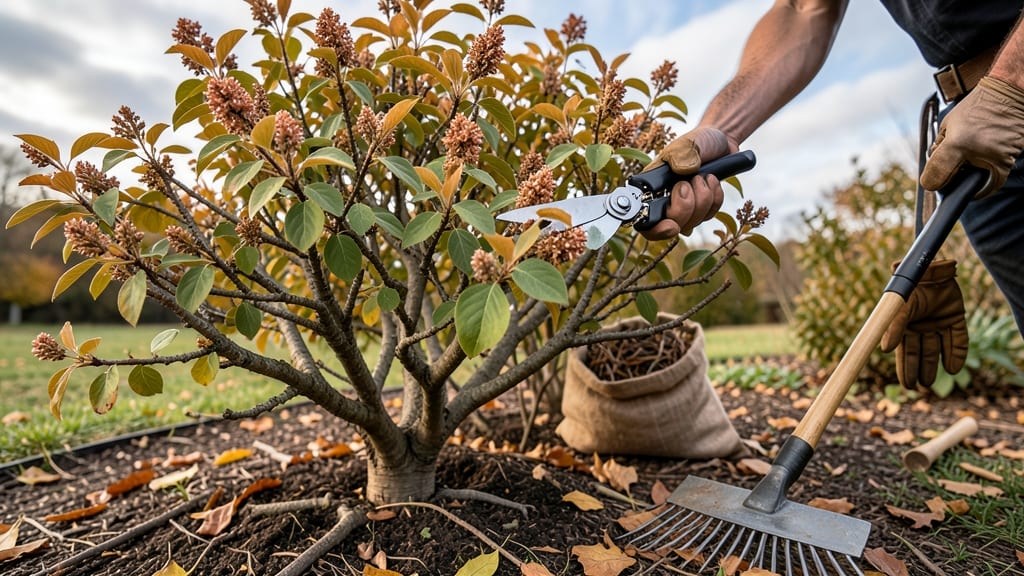
Autumn pruning shrubs isn’t just about tidying up—it’s your secret weapon for a stronger winter canopy. ✂️ I’ve learned the hard way that skipping this step means leggy growth, weak branches, and plants struggling through cold months.
The right cuts now mean healthier blooms next spring, whether you’re shaping boxwoods or rejuvenating roses.
Timing matters more than you think. In most temperate zones, aim for late autumn after the first frost but before hard freezes—typically November in many regions. This gives shrubs time to heal before winter dormancy, while still removing dead or crossing branches that could invite pests.
Just avoid heavy pruning on evergreens like junipers, which bleed sap and stress easily.
What you’ll get is a plant that looks intentional, not hacked. Proper autumn cuts encourage fresh growth at the base, reduce wind damage, and even improve airflow to prevent fungal issues.
My hydrangeas now bloom twice as densely because I prune them back by one-third each fall, and the shape holds up beautifully through snow.
This works for almost any shrub—just match the method to the plant. Boxwoods need clean, angled cuts; roses benefit from removing spent blooms; and hydrangeas respond well to thinning. The key is sharp tools, clean cuts, and a little patience. Let’s get those shears ready!
📚 In This Guide
- What you need
- Instructions
- Tips and common mistakes
- Wrapping up and next steps
What you need
- ● Pruning shears: Bypass pruners (for clean cuts on small stems, 5–7 inches long, sharp blades 🔪✨). Anvil pruners (for thicker branches, but can crush stems—use sparingly).
- ● Loppers: Bypass loppers (for branches ¾–1.5 inches thick, 8–12 inches long, with a comfortable grip 👨🍳).
- ● Pruning saw: Curved-tooth saw (for branches 1.5+ inches thick, 16–20 inches long, with a sharp blade 🔥).
- ● Gloves: Heavy-duty, cut-resistant gloves (to protect hands from thorns and sharp edges 🛡️).
- ● Safety glasses: ANSI-rated (to shield eyes from debris or flying branches 👓).
- ● Disinfectant: 70% isopropyl alcohol or bleach solution (to sterilize tools between cuts and prevent disease spread 🧼).
- ● Rubbing alcohol wipes: (for quick tool cleaning in the field).
- ● Ladder or step stool: (for reaching taller shrubs safely 🪜).
- ● Marking twine or tape: (to flag branches needing removal before pruning).
- ● Pruning sealant: (for large cuts on woody shrubs—only use if necessary 🌿).
- ● Check the weather forecast—prune on a dry, calm day (avoid rain or wind 🌦️).
- ● Review your shrub’s growth habits (some, like hydrangeas, bloom on old wood—prune after flowering!).
- ● Have a cleanup plan: bags, tarp, or compost bin for debris 🗑️.
Step-by-step guide for pruning shrubs in autumn
Here's how I transform my shrubs into winter-ready powerhouses with just a few sharp cuts.
✂️ Step 1: Time Your Pruning for Optimal Healing
Prune in late autumn, right after your region's first hard frost but before the ground freezes completely. This timing lets wounds heal before winter's harshest weather arrives. I wait until temperatures drop to below 40°F—that's when most shrubs enter dormancy and can handle pruning without stress.
Look for the first frost date on your local gardening calendar. If you're in a mild climate, aim for October to early November. In colder zones, prune by mid-November at the latest. The goal is to give shrubs 4-6 weeks of healing time before winter sets in fully.
🌿 Step 2: Gather Tools and Sterilize for Clean Cuts
Use sharp, clean pruners—dull blades tear stems and create jagged wounds that invite disease. I keep a small bottle of 70% isopropyl alcohol handy to sterilize my tools between cuts. Wipe blades before and after each shrub to prevent spreading fungal spores or bacterial infections.
For larger branches over ½ inch thick, switch to loppers or a pruning saw. Make cuts just outside the branch collar—the swollen area where the branch meets the trunk. This ensures proper healing and prevents unsightly stubs that can rot over winter.
✂️ Step 3: Remove Dead, Diseased, or Weak Growth First
Scan each shrub for dead wood—branches that snap easily when bent or have no green pith inside when cut. Next, look for diseased branches with black spots, mold, or unusual discoloration. Remove these first, using disposable gloves to avoid spreading pathogens.
Thin out crossing branches that rub together, as they create wounds and weak points. Step back occasionally to visualize the shrub's natural shape. My rule of thumb: if a branch is growing inward or downward, it's likely competing with others and should go.
⏰ Step 4: Lightly Shape for Airflow and Winter Resilience
Reduce the shrub's overall size by no more than 25% to avoid stress. Focus on opening up the center to improve airflow and sunlight penetration. I like to create a vase-like shape by cutting back the longest branches first, then trimming smaller ones to maintain balance.
Leave 3-5 strong buds at each cut site to encourage new growth in spring. Avoid cutting back to bare wood unless the shrub is severely overgrown. For flowering shrubs, wait until after they bloom next year—autumn pruning now won't affect next season's flowers.
🌱 Step 5: Clean Up and Protect Your Shrubs
Rake up all clippings and dispose of diseased branches immediately. Never compost them—diseases can persist and reinfect your garden. For healthy prunings, I leave them on the lawn or mulch them into the soil to return nutrients.
Apply a 2-3 inch layer of mulch around the base of each shrub, keeping it 6 inches away from the trunk. This insulates roots from freezing temperatures and retains moisture. Water deeply before the first hard freeze to ensure roots stay hydrated through winter.
Tips & tricks for perfect autumn shrub pruning
Here's what I learned after years of trial and error—these tricks make all the difference between a healthy winter canopy and stressed shrubs.
Timing is Everything: The 4-6 week healing window before winter is non-negotiable. If you're in a mild climate and prune too early (before that first hard frost), wounds won't have time to callus over properly. I've seen shrubs completely die back when pruned in September—don't make that mistake. Mark your calendar for the first frost date and wait at least 2 weeks after that before cutting.
Tool Prep Makes the Difference: I can't stress this enough—sterilizing your tools between cuts is the best way to prevent disease spread. Keep that bottle of 70% isopropyl alcohol handy and wipe blades after every 3-5 cuts, especially when moving between diseased and healthy shrubs. I've seen entire shrubs get infected just because someone skipped this step. For larger branches over ½ inch thick, use loppers or a pruning saw—your hands will thank you after 20 minutes of pruning!
Shape with Purpose: When you're shaping in Step 4, think about airflow and sunlight. I like to create a natural "vase shape" by cutting back the longest branches first—this opens up the center and prevents that dreaded "mushroom" shape that blocks light from reaching the interior. Remember, you're not just making it look pretty; you're creating a healthier plant structure that will thrive next spring.
Post-Pruning Protection: That 2-3 inch layer of mulch isn't just decoration—it's insulation for your shrub's roots. Keep it 6 inches away from the trunk to prevent rot, and water deeply before the first hard freeze. I've seen shrubs survive harsh winters just because I took this extra step. Think of it as putting a cozy blanket around your plants' roots.
Pro Tips for Pruning Shrubs In Autumn
- Here's what I learned after years of trial and error—these tricks make all the difference between a healthy winter ca...
- Timing is Everything: The 4-6 week healing window before winter is non-negotiable. If you're in a mild climate and pr...
- Tool Prep Makes the Difference: I can't stress this enough—sterilizing your tools between cuts is the best way to pre...
Frequently asked questions
Got questions about autumn pruning? You’re not alone!
Here are answers to the most common concerns—from timing to tools—to help you prune like a pro.
When is the exact best time to prune shrubs in autumn?
Prune most shrubs after they’ve finished flowering in late autumn (October–November in most U.S. zones), but before the first hard frost. Evergreens and spring-bloomers (like lilacs) can wait until early winter. Avoid pruning in extreme cold or wet conditions—aim for crisp, dry days!
What if I missed autumn pruning? Can I still do it in winter?
Yes, but with caution! Light pruning (removing dead/diseased branches) is fine in winter, but avoid heavy cuts—it stresses shrubs when they’re dormant. Spring is better for major reshaping. Pro tip: Wait until late winter (just before buds swell) for the safest results.
Do I need special tools for autumn pruning?
Not necessarily! Basic tools like bypass pruners (for small branches), loppers (thicker stems), and a hand saw (large shrubs) work well. Sterilize blades with rubbing alcohol to prevent disease spread. Skip hedge shears—they crush stems instead of cleanly cutting.
My shrubs look sad after pruning—did I do it wrong?
Don’t panic! Shrubs may look bare at first, but they’ll bounce back. Focus on removing no more than 1/3 of the foliage and avoid cutting into old wood (unless rejuvenating). If branches bleed sap or look ragged, you pruned too late or too aggressively. Next time, cut just above a bud or branch collar for cleaner wounds.
Are there shrubs I shouldn’t prune in autumn?
Yes! Avoid pruning spring-blooming shrubs (like forsythia or azaleas) in autumn—they set next year’s buds now. Also skip pruning young or newly planted shrubs (wait 1–2 years). For evergreens, a light tidy-up is fine, but avoid heavy cuts that expose bare stems to winter burn.
Wrapping up and next steps
Autumn pruning is your secret weapon for keeping shrubs thriving through winter and beyond! By removing dead, diseased, or overgrown branches now, you’ll encourage stronger growth, better airflow, and a tidier landscape—all while giving your plants a head start for spring. 🌿✂️
Ready to roll up your sleeves? Grab your tools, follow the steps we’ve shared, and transform your yard into a winter-ready sanctuary. For extra confidence, check out our pruning guide for beginners—your shrubs (and future self) will thank you!