What is on this site
This site answers one question: *When should you prune?*—and why it matters. Every guide here breaks down the right time to trim, shape, or cut back plants, from roses to tomatoes, based on growth cycles, climate, and what you’re trying to achieve. No vague advice, no guesswork.
The site is organised by plant type, season, and task. You’ll find pruning schedules for perennials, fruit trees, and vegetables, along with troubleshooting for overgrowth, dead wood, or pests. Each entry includes clear timings (monthly, by moon phase, or temperature thresholds), tools needed, and what to expect after you cut.
| Where | What is there | Go here if |
|---|---|---|
| The Pruning Calendar | Monthly and seasonal guides for all climates | You want a quick reference for your region |
| Plant Guides | Step-by-step instructions for specific plants | You’re pruning roses, apples, or herbs for the first time |
| Troubleshooting | Fixes for common mistakes (e.g., bleeding sap, stunted growth) | Your plant looks worse after pruning |
| Tools & Techniques | How to use shears, saws, and disinfectants | You’re unsure about the right tools |
How to read a page here
Every guide starts with the plant name and its ideal growing zone. Next comes the pruning window—a strict range of weeks or months, often tied to dormancy, flowering, or harvest cycles. Numbers in parentheses (e.g., *3–5°F*) are hard freezes; ignore them if your climate never drops that low.
The steps are numbered but not fussy: *Step 1* is always the first cut, *Step 2* the next, and so on. Bold terms (like *‘heading back’*) are linked to a glossary. Diagrams show before/after shapes, and photos include close-ups of knots, buds, or damage to avoid.
Skip the ‘Why This Matters’ box on a first read—it’s for after you’ve tried it.
Timings are precise but flexible. A guide might say *‘prune in late winter’*—but if your region’s last frost is early March, that means February. Always check the ‘Your Climate’ sidebar for adjustments.
And if a step feels wrong, the ‘What Could Go Wrong’ section lists red flags (e.g., *‘If sap bleeds heavily, you cut too early’*).
When it does not work
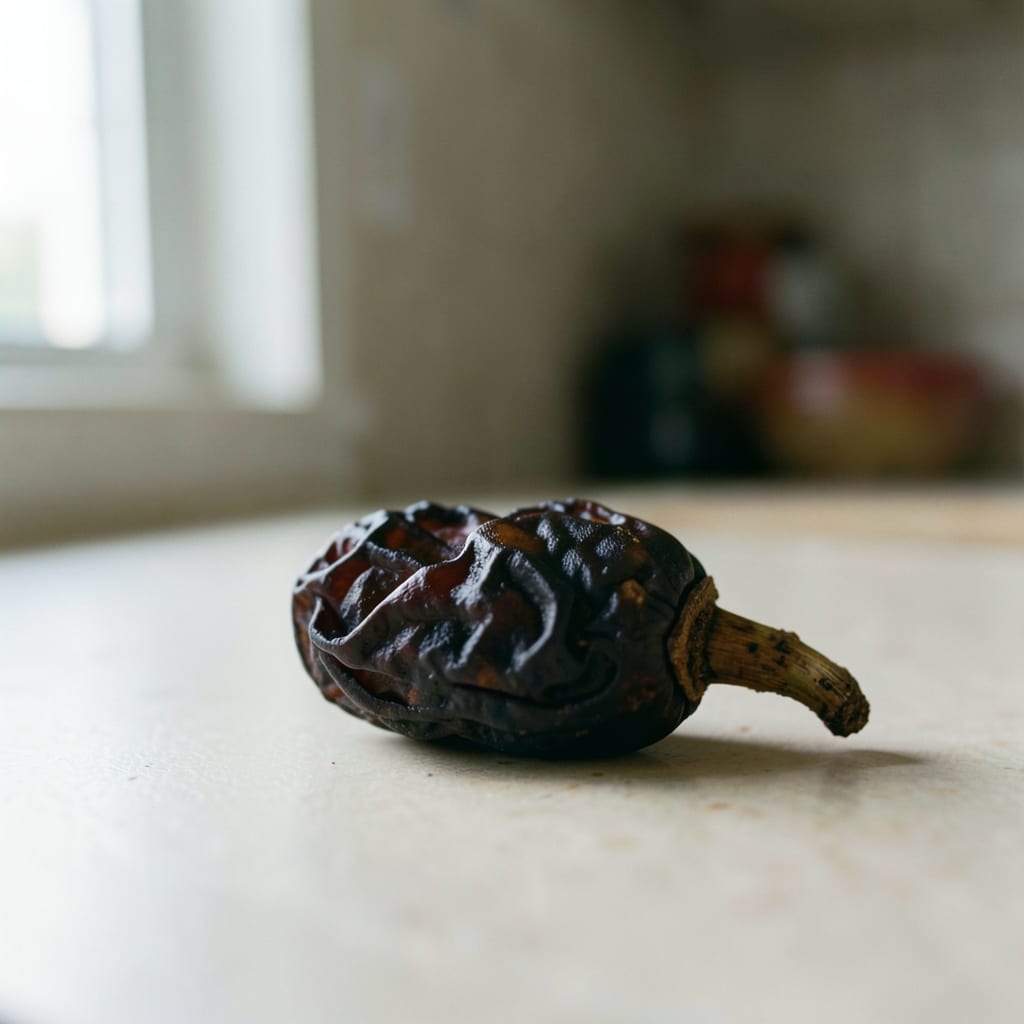
Pruning gone wrong usually means one of three things: cutting at the wrong time (e.g., trimming flowering shrubs in summer), using dull tools (which tear bark), or ignoring the plant’s natural shape.
The site marks these mistakes in every guide—but real-world conditions (pests, drought, or soil pH) can override even the best advice.
Before you give up
- Double-check your plant’s hardiness zone—some guides assume Zone 5, others Zone 8.
- Look for local variations in the ‘Notes’ section (e.g., ‘Southern California: prune in November’).
- Ask: *Did I cut into old wood?* Some plants (like hydrangeas) need last year’s growth to flower.
- Try the opposite of what you did—e.g., if you pruned too aggressively, next time trim just the dead tips.
Who we are

This site is built by someone who learned gardening the hard way—by watching plants recover (or die) after every wrong cut.
| The colophon | |
|---|---|
| Written by | Hakeem Trujillo, who prunes his own garden in Northern California and edits every guide for clarity and accuracy |
| Tested in | A 500-square-foot raised-bed garden with clay soil, Zone 8a, and tools that have been dropped at least once |
| Written with | A Felco F-2 pruner, a 5-gallon bucket for clippings, and a notebook full of half-erased mistakes |
| Learned from | His grandmother, who swore by the ‘three-cut rule’ (never take more than a third of a plant’s foliage at once) |
| Still getting wrong | Pruning grapevines—every year, the same knots slip, and the vines still overproduce |
Gardening is the only craft where the best teachers are the plants themselves. Some listen; others ignore you entirely. This site exists because the right cut can turn a struggling bush into a thriving one—or, if you’re unlucky, a pile of kindling. Either way, you’ll know why.
If you need something that is not here
The site covers pruning for home gardens, not commercial orchards or bonsai. If you’re looking for advice on rare plants, heirloom varieties, or urban container pruning, write to the contact page. Include your location, the plant’s name, and what you’ve tried already—it helps.
The guides are grouped by category: Advice, Aphids, Blooming, Companion Plants, Container Gardens and How To.