
Pruning
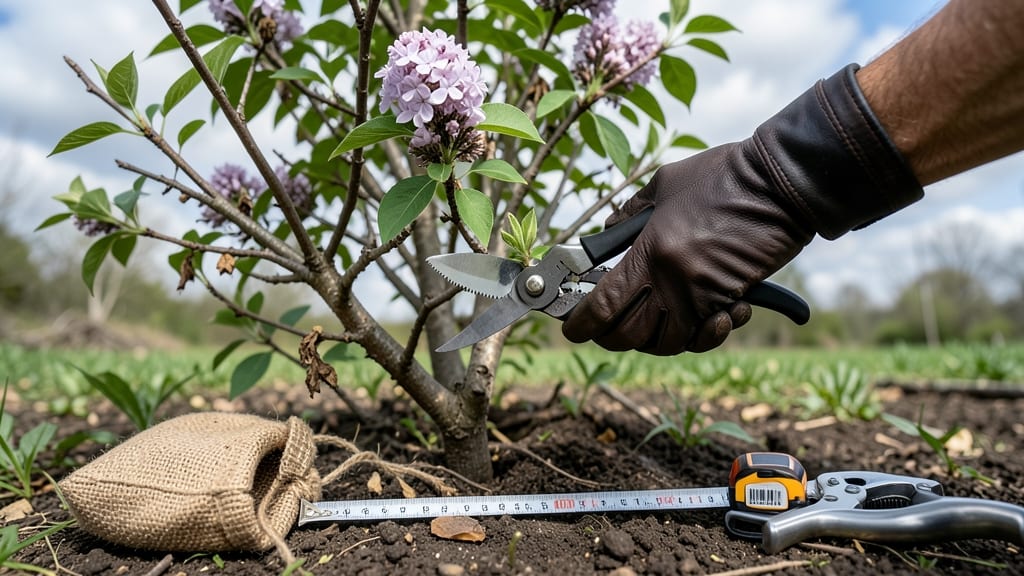
Seeing a prune lilac pruning diagram in action transforms those leggy bushes into fragrant powerhouses. ✂️ I’ve pruned mine for years, and the difference between a tidy, blooming bush and a wild tangle comes down to timing and technique—just a few cuts in the right spots make all the difference.
You’ll need sharp bypass pruners, gloves, and a clear day to see the stems. The goal is to remove last year’s flower stalks (they won’t bloom again) while shaping the bush to encourage new growth.
Think of it like sculpting: you’re guiding the plant’s energy toward next season’s blooms, not just trimming for looks.
Start by cutting out dead or crossing branches—these steal energy from the rest of the plant. Then, trim back the remaining stems by one-third to one-half, always cutting just above a leaf bud. The result? A bush that’s denser, healthier, and loaded with fragrant blooms by next spring.
This method works for both old and new lilac varieties, and the best part? You’ll avoid the common mistake of pruning too late (which delays blooming) or cutting into old wood (which kills the bush). Let’s get those shears ready!
📚 In This Guide
- What you need
- Instructions
- Tips and common mistakes
- Wrapping up and next steps
What you need
- ○ Pruning shears: Bypass pruners (sharp, clean, and 4-6 inch blades for precision cuts). Optional: Small loppers (8-10 inch) for thicker stems.
- ● Hand pruners: Anvil-style (budget-friendly) or bypass-style (preferred for clean cuts). Quantity: 1 pair per 3-4 bushes.
- ● Gloves: Heavy-duty gardening gloves (cut-resistant, cowhide or leather) to protect hands from thorns.
- ● Disinfectant: 70% isopropyl alcohol or rubbing alcohol to sterilize tools between cuts (prevents disease spread).
- ○ Rake: Bow rake (for clearing debris post-pruning). Optional: Leaf blower for larger yards.
- ● Pruning saw: Curved blade (for stems 1.5+ inches thick). Quantity: 1 per 5-6 bushes.
- ● Marking twine or flags: Colored twine or plant labels to tag branches for removal (if needed).
- ● Weather check: Prune on a dry, overcast day (avoid wet or windy conditions).
- ● Safety glasses: ANSI-rated to shield eyes from debris.
- ● Long sleeves/pants: Lightweight, breathable fabric to protect from scratches.
- ● Ladder (if needed): Sturdy, 3-section step ladder (for tall lilacs; max height: 10+ feet). Safety tip: Use a spotter if working alone!
- ● Diagram reference: Print or save a lilac pruning diagram (like the one in this guide!) for visual cues.
- ● 🔥 Sharpen tools first! Dull blades tear stems, inviting disease. Use a file or sharpening stone.
- ● 🌡️ Work early: Prune in late winter/early spring (just before buds swell) for best results.
- ● ✨ Bag it up: Have a heavy-duty trash bag handy for clippings (lilac debris can harbor pests).
Step-by-step guide to pruning lilacs for healthier blooms
Here's the simple method I use every spring to keep my lilacs flowering beautifully.
✂️ Step 1: Time Your Pruning Perfectly
Prune lilacs immediately after they finish blooming—never before. This ensures next year's flower buds already have time to form. I mark my calendar for 4-6 weeks after the last bloom fades, usually in late May or early June. Pruning too early removes next year's flowers.
Look for browned, spent flower clusters as your signal. If you see fresh green buds forming, wait a few more weeks. Lilacs bloom on old wood, so cutting back too soon means fewer flowers next season.
✂️ Step 2: Gather Your Tools and Prepare
Use only clean, sharp pruning shears or loppers—dull blades tear stems and invite disease. I sterilize my tools with rubbing alcohol before starting. Wear gloves to protect against thorns and sap irritation.
Check your tools' reach—lilacs grow 6-12 feet tall, so you'll need a sturdy ladder for taller bushes. Never stretch to reach; unstable positioning causes accidents. Work on a dry day when branches aren't slippery.
✂️ Step 3: Remove Dead, Diseased, or Crossing Branches First
Start by thinning out any dead, diseased, or crossing branches. Cut these all the way back to the main stem or where they originate. Dead wood appears gray and brittle, while diseased branches may have black spots or oozing sap.
Remove branches that rub against each other—they create wounds that attract pests. Aim to open up the center of the bush for better airflow. This step prevents future problems before shaping the plant.
✂️ Step 4: Shape the Bush with Strategic Cuts
Cut back each branch to just above a set of 5 mature leaves—this encourages strong new growth. Never cut into old wood (the woody stem below the leaves). The 5-leaf rule gives the plant enough energy to regenerate properly.
Shape the bush into a rounded form by making angled cuts slightly above outward-facing buds. Avoid cutting into the center too much—this creates a "donut hole" that blocks sunlight from reaching inner branches.
✂️ Step 5: Clean Up and Monitor Progress
Rake up and dispose of all pruned branches—never leave them on the ground, as they can harbor pests and diseases. I use a heavy-duty trash bag to collect debris and dispose of it immediately.
Water the base of the plant deeply after pruning to help it recover. Watch for new growth within 3-4 weeks. If you see yellowing leaves or wilting, you may have cut too aggressively—next time, leave more foliage.
Tips & tricks for perfect lilac pruning
These simple tricks will help you prune your lilacs like a pro and keep them blooming beautifully year after year.
Timing Secret: The 4-6 week window after blooming is your golden opportunity to prune without sacrificing next year's flowers. I always check for browned flower clusters first—they're your clear signal it's time. If you see any green buds forming, wait a few more weeks. Lilacs bloom on old wood, so cutting too early means fewer flowers next spring. Here's the thing: if you prune too late, you risk removing next year's buds that are already forming.
Tool Prep: Sharp tools make all the difference! Before you start, sterilize your pruning shears with rubbing alcohol to prevent spreading disease. I also recommend wearing gloves—lilac thorns are no joke, and the sap can irritate skin. For taller bushes (6-12 feet), invest in a sturdy ladder rather than risking balance on a shaky step stool. Safety first, especially when working with branches that can reach over your head.
Shape Smart: When shaping your bush, focus on creating that rounded form by cutting just above outward-facing buds. This encourages new growth in the right direction. The 5-leaf rule is your friend—cutting back to 5 mature leaves gives the plant enough energy to regenerate properly. Remember, avoid creating a "donut hole" by cutting too much from the center. That blocks sunlight from reaching inner branches and can lead to weak growth.
Cleanup Wisdom: After pruning, don't just leave branches on the ground—they can harbor pests and diseases. I use heavy-duty trash bags to collect all debris and dispose of it immediately. A quick cleanup prevents future problems. And don't forget to water deeply after pruning—this helps your lilac recover and establishes new growth within 3-4 weeks.
Pro Tips for Prune Lilac Pruning Diagram
- These simple tricks will help you prune your lilacs like a pro and keep them blooming beautifully year after year.
- Timing Secret: The 4-6 week window after blooming is your golden opportunity to prune without sacrificing next year's...
- Tool Prep: Sharp tools make all the difference! Before you start, sterilize your pruning shears with rubbing alcohol ...
Frequently asked questions
Got questions about pruning lilacs?
You’re not alone! Here are some of the most common concerns—and their answers—to help you prune like a pro.
1. When is the best time to prune lilacs?
The ideal time is right after they finish blooming in late spring or early summer. This ensures you don’t cut off next year’s flower buds, which form on old wood. Avoid pruning in fall or winter, as lilacs are dormant and more vulnerable to disease.
2. Can I prune lilacs in fall or winter?
While lilacs can be pruned in late fall or winter (after leaf drop), it’s riskier. Cold weather stresses the plant, and wet conditions increase the chance of fungal diseases like powdery mildew. If you must prune then, do it only if necessary for safety (e.g., storm damage) and sterilize tools first!
3. What if I accidentally cut off next year’s flower buds?
Don’t panic! Lilacs are hardy and will still bloom, though the display might be smaller or delayed. Focus on rejuvenation pruning (cutting back ⅓ of the oldest stems) every few years to encourage new growth and future blooms. Over time, your lilac will bounce back stronger.
4. Do I need to prune lilacs every year?
No—lilacs thrive with minimal pruning most years. Only prune to:
- Remove dead, diseased, or crossing branches
- Shape the plant (lightly)
- Reinvigorate older bushes every 3–5 years
5. How do I know if I’ve pruned too much?
Watch for these red flags:
- No new growth by early summer
- Fewer or no flowers the next year
- Leaves turning yellow or wilting
Wrapping up and next steps
Pruning your lilacs doesn’t have to be intimidating—with the right timing, tools, and technique, you’ll reward yourself with vibrant blooms and healthier plants for years to come! 🌸 Remember, the key is patience and precision: focus on shaping, removing dead wood, and encouraging new growth.
Now that you’re armed with a pruning diagram and expert tips, grab those shears and get ready to transform your garden.
Ready to take the next step? Mark your calendar for late spring or early summer—when your lilacs finish blooming—and start pruning. And if you’re feeling ambitious, explore advanced pruning techniques or how to propagate lilac cuttings to expand your floral family! Happy gardening! 🌿✂️