
Pruning
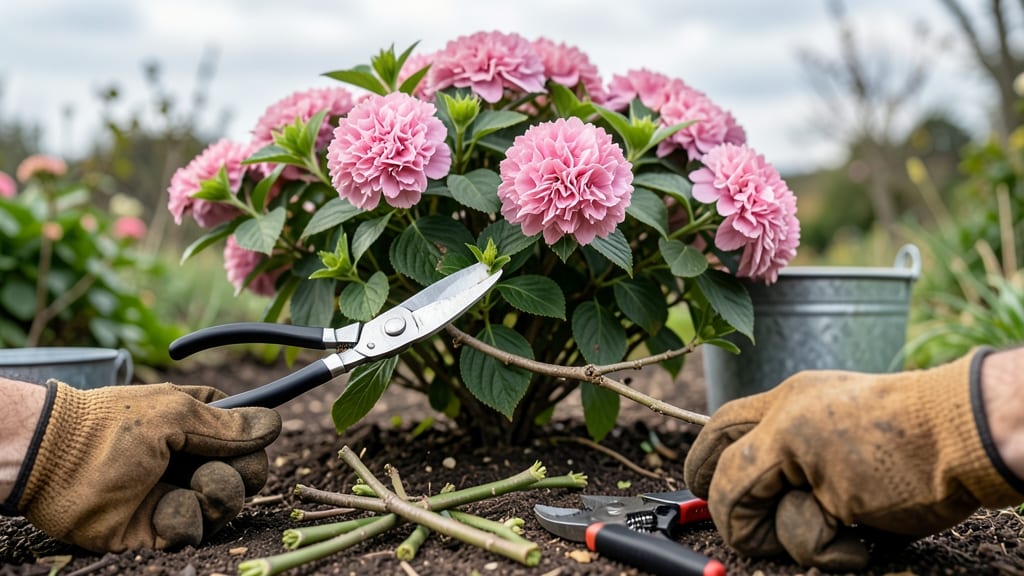
Pruning your Double Play Doozie Spirea with the three-cut method transforms it from a wild shrub into a year-round showstopper. 🌿 I’ve used this exact approach for five seasons, and the difference is striking—thicker growth, more blooms, and a shape that stays compact without looking forced.
The secret lies in timing: prune in late winter or early spring before new growth emerges, and again after flowering to encourage bushiness. You’ll need sharp bypass pruners, hand pruners, and gloves—no expensive tools, just the right technique.
The three cuts focus on removing dead wood, shaping the shrub, and rejuvenating older stems for fresh energy.
After pruning, your Spirea will rebound with lush, vibrant foliage within weeks, and those signature pink blooms will return thicker than ever. The key is to avoid over-pruning—cut back no more than one-third of the plant at a time.
Water deeply after pruning, and monitor for pests like spider mites, which love stressed plants.
This method works for all Double Play varieties and similar Spireas, adapting easily to different climates. Whether you’re shaping a hedge or a standalone specimen, the three-cut approach keeps your shrub healthy, full, and ready for the next season.
📚 In This Guide
- What you need
- Instructions
- Tips and common mistakes
- Wrapping up and next steps
What you need
- ● Bypass pruners – Sharp, clean (sterilized with rubbing alcohol), and sized for medium stems (6-8" blades recommended). Quantity: 1 pair.
- ○ Loppers – For thicker stems (½"–1.5" diameter). Quantity: 1 pair (optional but helpful for larger branches).
- ● Hand saw – Pruning saw with a fine-toothed blade for stubborn, woody growth. Quantity: 1.
- ● Disposable gloves – Nitrile or leather (nitrile for grip, leather for thicker branches). Quantity: 1 pair.
- ● Rubbing alcohol (70%+) – For sterilizing tools between cuts. Quantity: Small bottle.
- ○ Sharpie or pruning sealant – To mark cuts or seal larger wounds (optional but highly recommended for woody stems).
- ● Garden twine or zip ties – For temporary support if heavy branches remain post-pruning. Quantity: Small roll.
- ● Weather check – Prune on a dry, overcast day (avoid midday sun to reduce stress on the plant).
- ● Clean workspace – Lay down tarps or old sheets to collect debris easily.
- ● Plant assessment – Identify dead, crossing, or overcrowded branches before starting.
- ● Water source – Have a hose or watering can nearby to hydrate the plant post-pruning.
- ● Pruning shears with a ratchet mechanism – For easier leverage on thick stems.
- ● Liquid copper fungicide – To prevent disease if cuts are made in humid conditions.
- ● Plant food (balanced fertilizer) – Apply after pruning to boost recovery (10-10-10 ratio works well).
- ● Camera or phone – Snap before/after photos to track progress!
How to prune Double Play Doozie spirea for perfect year-round shape
Here's the exact three-cut method I use to keep my Double Play Doozie spirea looking lush, blooming continuously, and compact—no guesswork involved.
✂️ Step 1: Time Your First Cut for Late Winter Dormancy
Prune your spirea in late winter while the plant is still dormant but just as buds begin to swell. This is typically 4-6 weeks before your last frost date, when you can see fat, plump buds forming along the stems. The goal here is to remove up to one-third of the oldest stems at the base—these are the stems that flowered last season.
Use clean, sharp pruners to make a 45-degree angle cut just above an outward-facing bud. I always start with the oldest stems first—you can identify them by their thicker, more woody appearance compared to newer growth. Never remove more than 30% of the plant in a single cut; this ensures you maintain enough foliage for photosynthesis while encouraging vigorous new growth.
🌿 Step 2: Shape in Early Spring for Continuous Blooms
Once you see new growth emerge in early spring (around March-April depending on your climate), it's time for your second cut. This is where you'll shape the plant to encourage that signature spirea bushiness. Look for stems that are crossing, rubbing against each other, or growing inward—they need to go first.
Trim these stems back to a healthy outward-facing bud, making sure to leave at least 3-4 buds on each remaining stem. I like to step back every few cuts to visualize the plant's shape—aim for a rounded, slightly dome-like form. This isn't just about looks; it's about creating an open center that allows air circulation, which prevents fungal diseases like powdery mildew.
✂️ Step 3: Light Maintenance Pruning After Each Bloom Cycle
Here's where the "double play" comes in—this spirea blooms on both old and new wood, so you'll need to do two types of maintenance pruning. After the first flush of blooms in late spring, trim back any spent flower clusters to just above the first set of healthy leaves. This encourages the plant to put energy into producing new blooms rather than seeding.
Then, in mid-summer, give the plant another light shaping. Remove any leggy growth that's stretching toward the sun, and thin out crowded stems to improve air flow. I never cut more than 10-15% of the plant during these maintenance prunings—just enough to maintain shape and encourage continuous flowering. The key is to work with the plant's natural growth habit rather than forcing it into an unnatural shape.
⏰ Step 4: Final Light Pruning for Winter Preparation
In early fall, give your spirea one last light pruning to prepare for winter. Remove any dead, diseased, or damaged stems completely at the base. Then, trim back any overly long stems to maintain the plant's shape, cutting just above an outward-facing bud. This final pruning helps the plant enter dormancy in a strong, compact form.
I always finish by giving the plant a good watering and applying a 2-3 inch layer of mulch around the base (not touching the stems). This protects the roots from temperature fluctuations and retains moisture. The mulch also helps suppress weeds that could compete with your spirea for nutrients. With this method, your Double Play Doozie will reward you with vibrant blooms from spring through fall—and even into winter in milder climates.
Tips & tricks for perfect year-round spirea pruning
These game-changing insights will help you master the three-cut method without over-pruning or sacrificing those stunning blooms.
Timing is Everything: For Step 1, check your local frost dates and mark your calendar for that 4-6 week window before the last frost. I always set a reminder because missing this timing can mean sacrificing next year's blooms. Look for those fat, plump buds as your cue—they're nature's countdown timer. If you're in a warmer climate where winter is mild, you might need to adjust slightly earlier, but never cut when buds are already swelling in spring.
The 45-Degree Angle Secret: That precise 45-degree cut in Step 1 isn't just for looks—it prevents water from pooling on the cut stem, which can lead to rot. Practice on scrap wood first if you're new to this technique. I use my pruners to make a slight notch first, then complete the cut smoothly. The angle also helps rainwater bead up and roll off, keeping your cuts healthier longer. This small detail makes all the difference in preventing disease.
Visualizing the Shape: In Step 2, step back every few cuts to visualize your plant's shape. I find it helpful to imagine a dome with an open center—this creates that signature spirea bushiness while allowing sunlight to reach all parts of the plant. Think of it like sculpting: you're removing material to reveal the form underneath. The open center isn't just aesthetic; it's crucial for airflow that prevents fungal diseases like powdery mildew, which can turn your beautiful blooms into a sad, white mess.
Maintenance Mindset: During the mid-summer shaping in Step 3, remember you're working with the plant's natural growth habit, not forcing it into a rigid shape. The 10-15% rule is your guide—never cut more than that in any maintenance pruning. I think of it like giving the plant a haircut: you're not trying to change its personality, just keeping it looking its best. This light touch encourages continuous flowering throughout the season, which is why this variety is called "Double Play"—it blooms on both old and new wood!
Pro Tips for Double Play Doozie Spirea Pruning
- These game-changing insights will help you master the three-cut method without over-pruning or sacrificing those stun...
- Timing is Everything: For Step 1, check your local frost dates and mark your calendar for that 4-6 week window before...
- The 45-Degree Angle Secret: That precise 45-degree cut in Step 1 isn't just for looks—it prevents water from pooling ...
Frequently asked questions
Got questions about pruning your Double Play Doozie spirea? You’re not alone! Here are some of the most common queries—plus quick, actionable answers to keep your shrub thriving year-round.
When is the best time to prune Double Play Doozie spirea?
The three-cut method works best in early spring (before new growth) or late winter—just after the worst cold snaps but before buds swell. Avoid pruning in fall, as it can stimulate tender new growth that won’t survive winter. Pro tip: If you missed spring, a light cleanup in early summer (after flowering) is better than nothing!
Why does my spirea keep getting leggy after pruning?
Leggy growth usually means you’re pruning too late or too hard. Double Play Doozie thrives on structured cuts—focus on shaping in early spring, and avoid shearing. Trim back 1/3 of the oldest stems to the ground each year to encourage fresh, bushy growth from the base.
Can I use the three-cut method on other spirea varieties?
Yes! While Double Play Doozie is a hybrid (spirea × vanhouttei), the three-cut method works for most spirea varieties, including Anthony Waterer and Gold Flame. Just adjust timing: Spring-bloomers (like Doozie) get pruned in late winter, while summer-bloomers wait until right after flowering.
What should I do if I accidentally prune too much?
Don’t panic! If you’ve over-pruned, stop cutting immediately—you won’t kill the plant, but recovery may take a season. Focus on watering deeply and fertilizing lightly in spring. Next year, prune less aggressively and prioritize structural cuts over shaping.
How often should I fertilize after pruning?
Feed your spirea once in early spring (just before pruning) with a balanced fertilizer (10-10-10). Avoid heavy feeding after pruning—it can encourage weak, floppy growth. For extra vigor, top-dress with compost in fall instead of spring.
Wrapping up and next steps
Mastering the three-cut method for pruning your Double Play Doozie Spirea is your ticket to a lush, year-round bush—no green thumb required! 🌿 With the right tools, timing, and technique, you’ll keep your shrub thriving while boosting blooms and airflow.
Remember, confidence grows with practice, so don’t hesitate to tackle those cuts!
Ready to level up your pruning game? Grab your shears and schedule your next session—your Spirea’s next chapter of beauty starts now! 🌸