Pruning
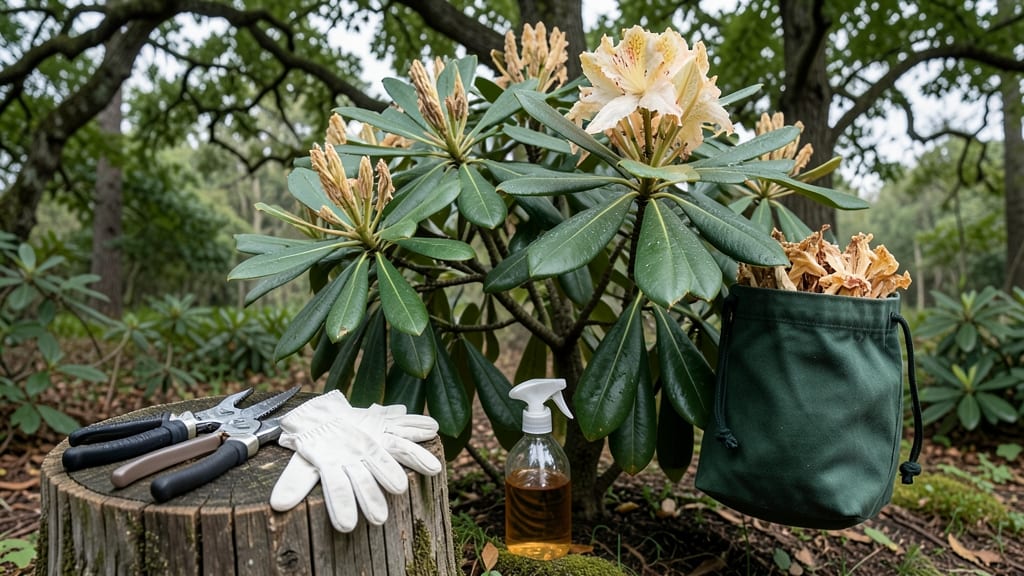
Pruning rhododendrons after blooming isn’t just about tidying up—it’s the secret to next year’s showstopper flowers and a healthier plant. 🌿 I’ve learned the hard way that cutting too late or too aggressively can rob you of spring blooms, but the right approach keeps your shrub lush and productive for decades.
The key is timing: prune right after the flowers fade but before new buds form. Grab your bypass pruners (never shears—they crush stems) and focus on removing only the spent blooms and any crossing branches. This improves airflow and shape without sacrificing next year’s flowers.
You’ll notice a difference immediately—thicker foliage and fewer leggy stems. The plant directs energy into strong new growth instead of wasted seed production. By summer, your rhododendron will look fuller and more vibrant than ever. This method works for all rhododendrons, from dwarf varieties to towering specimens.
The only rule? Never cut into old wood—those branches won’t bloom again. Let’s get your shrub ready for its next grand performance.
📚 In This Guide
- What you need
- Instructions
- Tips and common mistakes
- Wrapping up and next steps
What you need
- ● Bypass pruners – Sharp, clean bypass pruners (4-6 inch blades) for cutting stems up to ½ inch thick. Must be sanitized with rubbing alcohol or a 10% bleach solution to prevent disease spread. 💡 Pro tip: Test sharpness by snipping a thin branch—if it crushes instead of cutting cleanly, sharpen or replace.
- ● Loppers – Heavy-duty bypass loppers (8-12 inch blades) for thicker stems (½ inch to 1.5 inches). Look for ratcheting handles for leverage.
- ● Hand pruners (for fine-tuning) – Smaller anvil pruners (3-4 inch blades) for delicate trimming near buds or small branches.
- ● Garden gloves – Nitrile-coated gloves (medium to heavy-duty) to protect against thorns and sap irritation.
- ● Ladder or step stool – A stable, extendable ladder (6-10 feet) or foldable step stool for reaching higher branches safely. Never stand on wobbly surfaces!
- ● Disposable pruning bags or bucket – A 10-20 gallon bucket or mesh pruning bags to collect clippings and keep your workspace tidy.
- ● Pruning saw – For thick, woody stems (1.5+ inches) that pruners can’t handle. A curved-tooth pruning saw minimizes tearing.
- ● Rubbing alcohol (70%+ isopropyl) – For sterilizing tools between cuts on different plants to avoid fungal/bacterial transfer.
- ● Hose with nozzle – To rinse tools after sanitizing or clean sap off hands/tools.
- ● Sharpie or permanent marker – For labeling tools if you share them with other garden tasks.
- ● Knee pads or cushion – If your rhododendron is ground-hugging or you’ll be kneeling for extended periods.
- ● Weather check – Prune on a dry, overcast day or in early morning to avoid stressing the plant with heat/sun.
- ● Plant health assessment – Inspect your rhododendron for pests, disease, or dead branches before pruning. Address issues first!
- ● Safety gear – Sunglasses (to shield from sap) and closed-toe shoes (for stability and protection).
- ● Plan your cuts – Sketch a rough map of your rhododendron’s shape to visualize where to prune for balance and airflow.
Step-by-step instructions for pruning rhododendrons after blooming
Here's how I prune rhododendrons to keep them healthy and blooming beautifully year after year.
✂️ Step 1: Wait Until Flowers Fully Fade
Never prune until the blooms have completely faded and the flower stalks turn brown. This ensures you don't accidentally remove next year's buds, which form on last year's growth. I wait until the spent blooms look crispy and the stems feel dry to the touch—usually 4-6 weeks after peak flowering.
If you prune too early, you risk cutting off flower buds that are already developing. Rhododendrons form their blooms on old wood, so patience here pays off with bigger, more abundant flowers next season. Mark your calendar if you tend to forget—this is the most critical timing for pruning.
✂️ Step 2: Deadhead Spent Blooms at the Base
Use clean, sharp pruning shears to snip off the faded flower stalks right where they meet the main stem. Cut at a 45-degree angle just above a leaf bud or lateral branch. This angled cut prevents water from pooling on the stem, which can cause rot.
Don't leave stubs—this encourages new growth in the wrong places. I make it a habit to step back and admire the plant after deadheading; it's amazing how much more open and airy the foliage looks immediately. For large shrubs, work in sections to avoid overwhelming yourself.
✂️ Step 3: Thin Out Overcrowded Branches
Look for branches that cross or rub against each other—these compete for sunlight and nutrients. Remove about one-third of the oldest, thickest branches from the center of the plant to improve air circulation. Cut back to a outward-facing bud or side branch to encourage new growth in the right direction.
Thinning opens up the shrub so light reaches the inner foliage, which prevents fungal diseases like powdery mildew. I always start at the bottom and work my way up, removing the lowest branches first. This creates a natural, layered look and makes future pruning easier.
☀️ Step 4: Lightly Shape the Outer Foliage
For a more manicured look, you can lightly trim the outer edges of the shrub to encourage denser growth. Use hand pruners to trim just the tips of branches that have grown too long or look leggy. Never remove more than 10-15% of the plant's total foliage in one session.
Focus on maintaining a rounded shape—rhododendrons naturally grow in a vase-like form. I like to step back every few minutes to check the balance. Avoid heavy pruning on young plants; their energy is better spent establishing roots rather than producing new shoots.
🌿 Step 5: Clean Up and Mulch
After pruning, rake up all the clippings and dispose of them in the trash—not the compost pile. Rhododendrons are susceptible to fungal diseases, and wet clippings can harbor pathogens. Sweep the area around the plant to remove any fallen leaves or debris.
Apply a 2-3 inch layer of organic mulch around the base of the plant, keeping it 3-4 inches away from the trunk. Mulch helps retain moisture and regulates soil temperature. I use pine bark or shredded leaves because they acidify slightly over time, which rhododendrons love.
Tips & tricks for pruning rhododendrons after blooming
Here's what I've learned from years of pruning these stunning shrubs—and how to avoid the mistakes I made early on.
Timing is Everything: The 4-6 week window after peak flowering is non-negotiable for rhododendrons. I learned this the hard way after accidentally pruning too early and nearly losing next year's blooms. Check the stems—they should feel completely dry and the flower stalks should be brown and crispy before you touch your shears. This ensures you're not cutting off those precious buds forming on last year's wood.
The 45-Degree Angle Secret: When deadheading in Step 2, that angled cut isn't just for looks—it's crucial for plant health. The slant prevents water from collecting on the stem, which would otherwise create a perfect breeding ground for rot. I keep a small mirror handy to check my angle while working, especially on larger shrubs where visibility is tricky.
One-Third Rule for Thinning: Removing about one-third of the oldest branches in Step 3 might sound dramatic, but it's what gives your rhododendron that healthy glow. I always start with the lowest branches first—this creates that beautiful layered look while improving airflow to the center. Think of it like giving your plant a spa day: removing the old to make room for the new.
Mulch Matters: That 2-3 inch layer of organic mulch in Step 5 isn't just decoration—it's a game-changer for moisture retention and temperature regulation. I use pine bark because it acidifies slightly over time, which rhododendrons absolutely love. Just remember to keep it 3-4 inches away from the trunk to prevent rot at the base.
Pro Tips for Prune Rhododendrons After Blooming
- Here's what I've learned from years of pruning these stunning shrubs—and how to avoid the mistakes I made early on.
- Timing is Everything: The 4-6 week window after peak flowering is non-negotiable for rhododendrons. I learned this th...
- The 45-Degree Angle Secret: When deadheading in Step 2, that angled cut isn't just for looks—it's crucial for plant h...
Frequently asked questions
When is the exact best time to prune rhododendrons after blooming?
Prune as soon as your rhododendrons finish blooming—usually 2–4 weeks after the last flower fades. Avoid cutting back late summer or fall, as new growth needs time to harden off before winter. If you miss the window, wait until early spring (before buds swell) to prune lightly.
Can I prune rhododendrons too much? What if I cut into old wood?
Yes! Over-pruning—especially cutting into woody stems—can stress the plant and reduce next year’s blooms. Stick to deadheading spent flowers and trimming leggy growth. Never remove more than 1/3 of the plant’s foliage in one season. If you accidentally cut into old wood, don’t panic—rhododendrons are resilient!
Will pruning attract pests like aphids or scale insects?
Pruning can stress rhododendrons, making them slightly more vulnerable to pests, but it’s not a direct cause. To minimize risks, sterilize tools with rubbing alcohol, remove fallen debris, and water plants thoroughly after pruning. Healthy plants with good airflow are less attractive to pests—so prune correctly and keep them well-cared-for!
What if my rhododendron didn’t bloom this year? Should I prune it differently?
If your rhododendron skipped blooming, don’t prune aggressively—focus on light shaping and removing only dead or damaged growth. Poor blooming often signals stress (over/under-watering, poor soil, or too much shade). After pruning, fertilize lightly with acid-loving plant food and ensure it gets morning sun and well-draining soil.
Can I prune rhododendrons in rain or after a heavy downpour?
Pruning in wet conditions is a bad idea—it spreads disease, dulls tools, and can damage tender new growth. Wait until the soil is dry and the forecast is clear. If you must prune after rain, do it early in the day so foliage has time to dry. Always clean tools between cuts to prevent fungal spread!
Wrapping up and next steps
Pruning your rhododendrons after blooming doesn’t have to be intimidating—it’s all about timing, technique, and a little patience. 🌿 By following these steps, you’ll encourage healthier growth, more vibrant blooms next season, and a well-shaped shrub that steals the show in your garden.
Now that you’re armed with the know-how, grab those shears and get pruning! Need to keep your garden thriving? Check out our guide on fertilizing rhododendrons for lush foliage next!