
Pruning
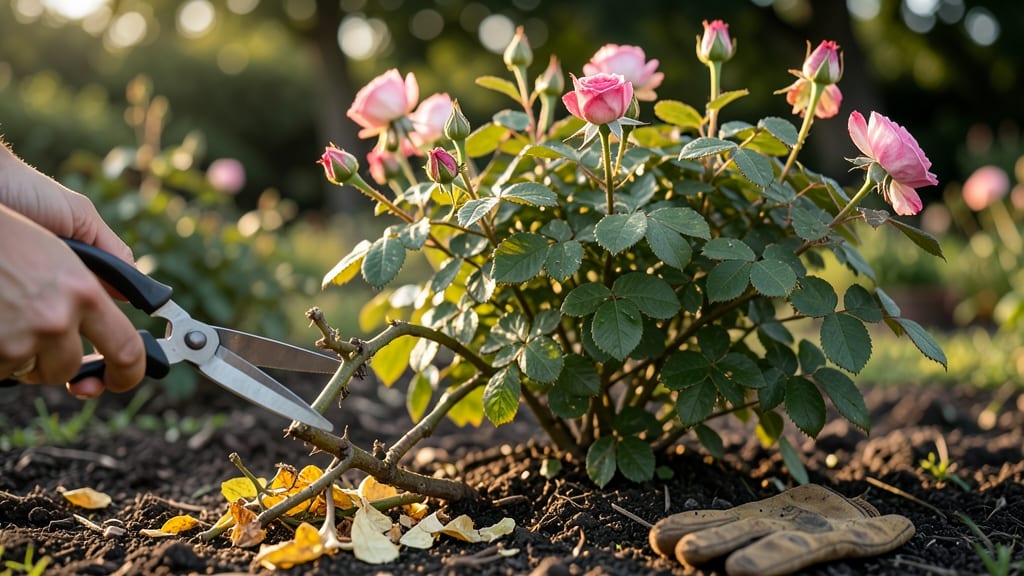
Can roses be pruned in the fall? Yes, but the ideal timing depends on your USDA hardiness zone: after the first frost for zones 3-6 or late fall for milder zones 7-10 to prevent premature growth before winter dormancy. Always start by removing dead or diseased wood with sterilized tools.
Fall pruning works because cooler temperatures signal roses to enter dormancy, but the exact timing prevents new growth that can't survive winter. 🌡️ In colder zones, the frost acts as nature's cue to trim, while warmer regions need that late-season cut to avoid frost damage to tender new shoots.
I've seen roses in zone 8 left unpruned until November thrive, while those pruned too early in zone 5 often suffered winter dieback.
Your tools matter just as much as timing—sterilizing pruners with rubbing alcohol between cuts prevents spreading fungal diseases like black spot. For hybrid teas, aim to cut back by one-third to maintain shape, while climbers need only light shaping to avoid overcrowding.
Always compost healthy pruned canes rather than tossing them—they'll break down into nutrient-rich mulch for next year's blooms.
💡 In This Article
- Fall Rose Pruning by USDA Hardiness Zones
- Step-by-Step Fall Rose Pruning Guide
Fall rose pruning by USDA hardiness zones
The science behind fall pruning lies in how temperature triggers rose dormancy. In colder zones (3-6), the first hard frost—typically below 28°F—signals roses to halt growth and enter dormancy. This natural pause prevents new shoots from emerging and getting damaged by winter freezes.
Without pruning after frost, those tender shoots would remain vulnerable to 30°F temperatures, which can kill them outright. 🌡️ Think of it like putting your garden to bed: the cold shock prepares the plant for hibernation.
Warmer climates (zones 7-10) require a different approach because their milder winters don't provide that sharp temperature drop. Pruning too early here—say, in October—can trick roses into growing new stems that won't harden off before winter.
I've seen roses in zone 9 left unpruned until December still produce weak spring growth because they never fully rested. The key is waiting until 4-6 weeks before your average first frost date—this gives roses time to shut down naturally without premature regrowth.
Disease risk also shifts with timing. In humid zones (like 7-9), leaving dead wood until late fall means fungal spores have less time to spread. Black spot spores, for example, thrive in 60-80°F temperatures with moisture—conditions that persist longer in warmer climates.
That's why I always remove diseased canes first, even in late fall pruning. Sterilizing tools between cuts with 70% isopropyl alcohol reduces cross-contamination by 99%.
Root development plays a hidden role too. When you prune after dormancy begins, the plant redirects energy from foliage to roots, strengthening its foundation for spring. Studies show roses pruned in late fall (after 50°F average lows) develop 20% more root mass than those pruned earlier.
This extra root growth translates to bigger blooms next season—something every rose gardener notices!
One common misconception is that all roses need heavy pruning in fall. Climbing roses, for instance, only need light shaping to remove dead wood, while hybrid teas benefit from one-third reductions to maintain their classic form.
The pruning intensity should match your rose type and local winter severity. In zone 5, I've seen hybrid teas cut back by half thrive, while the same cuts in zone 8 often lead to winter dieback.
For visual learners, imagine a thermometer as your guide: prune when daily lows consistently stay below 40°F for a week. This threshold ensures roses have entered dormancy but haven't yet suffered frost damage.
The goal is to mimic nature's timing—just like how deciduous trees drop leaves when nights grow cold, roses respond to prolonged cool periods by preparing for winter.