
Pruning
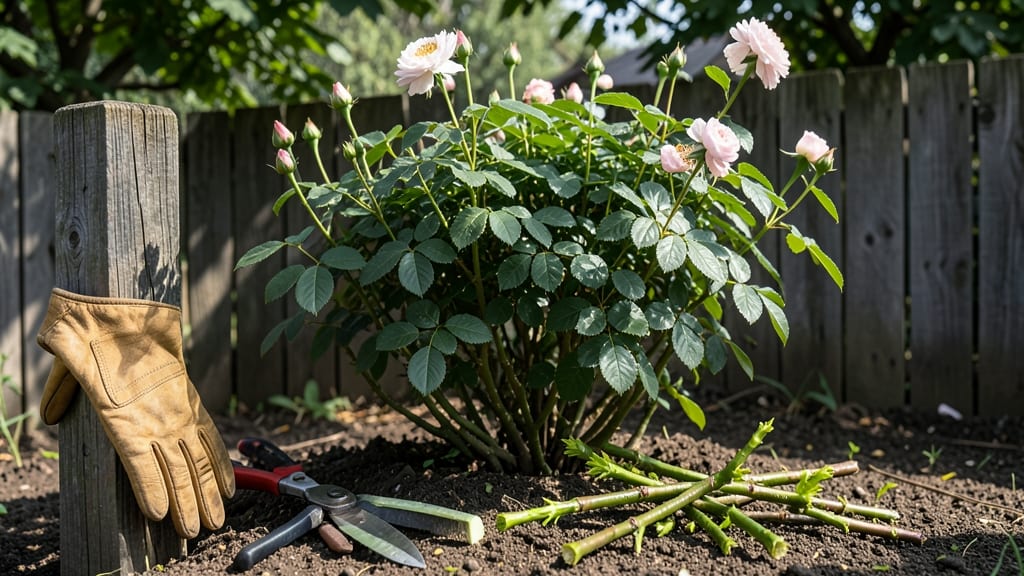
Pruning does encourage growth by redirecting a plant’s energy toward stronger new shoots and fruit production, but improper pruning can stress the plant and stunt development. Timing and technique are critical for maximizing benefits.
Pruning works by mimicking natural plant responses—when you trim back overgrown branches, you're essentially telling the plant to focus its resources on new, healthier growth. 🌱 This process triggers hormonal shifts (like increased auxin production) that break apical dominance, allowing dormant buds to sprout into vigorous new stems.
Think of it like giving your plant a strategic haircut: done right, it grows fuller and stronger, but cut too aggressively, and you'll leave it vulnerable to disease or shock.
For best results, I recommend pruning during the plant's dormant season (late winter or early spring for most species) when energy reserves are at their highest. Using sharp, sterilized tools makes all the difference—dull blades tear tissue, inviting infections.
And remember: never remove more than one-third of the plant's foliage at once. This balance ensures your plant thrives rather than struggles to recover.
💡 In This Article
- How Pruning Stimulates Plant Growth Mechanisms
- Best Pruning Practices for Healthy Plant Growth
How pruning stimulates plant growth mechanisms
The magic of pruning lies in how it manipulates a plant's natural growth hormones. When you make a clean cut, you're interrupting the flow of auxin, a hormone that suppresses lateral (side) buds. This hormone dominates at the tips of branches, creating what's called apical dominance.
By removing the dominant tip, you break this control, allowing dormant buds along the stem to wake up and grow into new shoots. 🌿 Think of auxin like a traffic cop directing all growth energy upward—when you remove the cop, the side streets open up!
This hormonal shift isn't the only factor at play. Pruning also triggers a wound response that produces cytokinins, hormones that stimulate cell division near the cut. Within 24-48 hours, the plant begins forming callus tissue to seal the wound, which creates new growth points.
Studies show that properly pruned plants can increase their growth rate by 20-30% compared to unpruned counterparts. For example, a rose bush pruned to remove one-third of its oldest canes will produce 30-50% more flowers the following season while developing stronger structural supports.
The timing of pruning matters because it affects how quickly the plant can redirect its energy. Early spring pruning (just before new growth begins) gives the plant 6-8 weeks of warm weather to recover and establish new shoots before winter dormancy.
Summer pruning, while possible, should be lighter to avoid stressing the plant during its peak growth phase.
What most gardeners don't realize is that the angle of your cut matters too—cutting at a 45-degree angle just above a bud encourages water to run off, preventing rot while directing new growth in the optimal direction.
There's also a fascinating relationship between pruning and root growth. When you remove foliage, the plant's roots actually grow more aggressively to compensate for the lost photosynthetic capacity. This creates a stronger root system that can better support new top growth.
For instance, fruit trees pruned in late winter develop 20-30% more extensive root networks by early summer, which translates to bigger harvests. The key is balance—too much pruning shocks the plant, while too little fails to stimulate the growth response you're seeking.
Different plant types respond differently to pruning due to their natural growth habits. Herbaceous perennials like lavender benefit from hard pruning in early spring, while woody shrubs like hydrangeas respond better to selective pruning that maintains their natural shape.
Even houseplants like pothos show dramatic growth spurts after a few leaves are removed—this isn't just about aesthetics, but about forcing the plant to allocate its limited resources more efficiently. The science shows that plants have a remarkable ability to adapt when given the right signals through proper pruning techniques.
One common misconception is that pruning always encourages growth. In reality, over-pruning can have the opposite effect by removing too much photosynthetic surface area, leaving the plant energy-deficient.
This is why professional arborists recommend following the 1/3 rule: never remove more than one-third of a plant's foliage in a single session.
The plant's growth response is a delicate balance between stimulation and stress—get it right, and you'll see vigorous new growth; get it wrong, and you might end up with a struggling plant that takes years to recover.