
Pruning
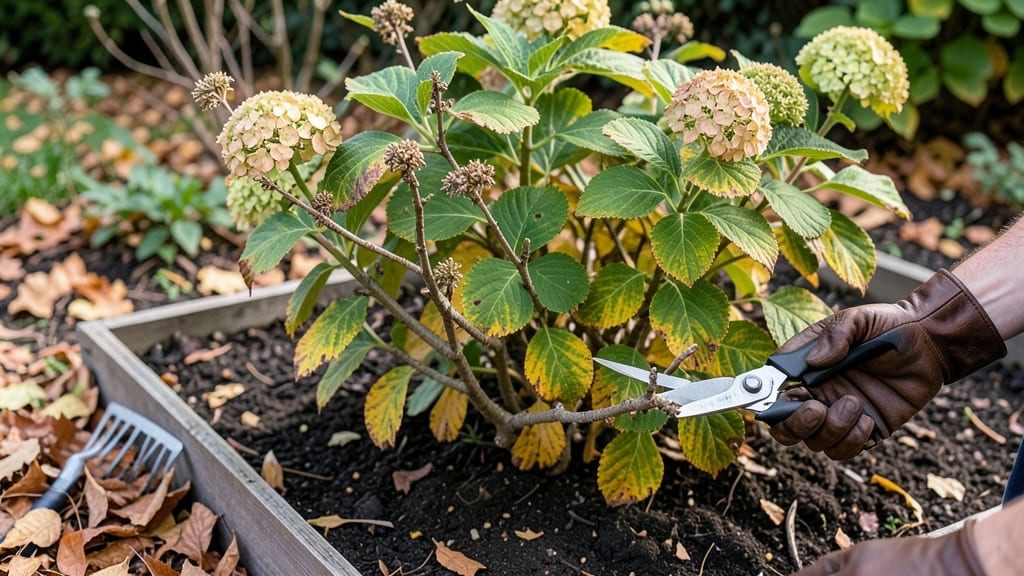
You can prune bushes in the fall, but timing depends on the plant type—evergreens and spring-flowering shrubs should avoid late fall pruning, while dormant deciduous shrubs like lilacs or hydrangeas can be pruned safely after leaf drop. Always sterilize tools and remove diseased branches immediately.
Fall pruning works best for certain shrubs, especially those that bloom in late spring or summer, like butterfly bushes or potentilla, because they set next year's buds after summer's heat. 🌿 The key is understanding each plant's growth cycle—evergreens like boxwoods or junipers should wait until early spring to avoid frost damage to fresh cuts.
For deciduous shrubs, pruning after leaf drop (typically November) gives you a clear view of the plant's structure while it's dormant.
I always recommend starting with a clean workspace—sterilized shears and a sharp saw prevent spreading diseases between cuts. Remove any branches that look brown or mushy first, as these are often the source of fungal issues.
The goal is to shape the bush while promoting healthy air circulation, which reduces future pest problems.
💡 In This Article
- Fall Pruning Risks for Different Bush Types
- Step-by-Step Fall Pruning Guide by Plant Category
Fall pruning risks for different bush types
Fall pruning becomes risky for certain shrubs because their growth cycles are closely tied to seasonal temperature shifts. Evergreens like boxwoods or junipers store nutrients in their leaves year-round, and fresh cuts in cold weather expose tender new growth to frost damage.
When you prune these plants in late fall, the open wounds can't heal properly, making them vulnerable to fungal infections like box blight or canker diseases. The risk escalates in regions with sudden temperature drops below 20°F, where new growth can freeze within hours.
Spring-flowering shrubs face an even bigger problem: their flower buds form on old wood during the previous summer.
If you prune these bushes in fall—like lilacs or forsythia—they'll miss their entire blooming season because the buds are already set. 🌸 For example, a lilac bush pruned after September 1st might produce only 10-20% of its normal flowers the following spring.
This is why experts recommend waiting until just after flowering for these varieties, typically in late May or June.
The science behind this involves plant hormones called auxins, which regulate growth. When you prune in fall, auxin production slows dramatically due to shorter daylight hours, leaving the plant unable to seal wounds properly.
Deciduous shrubs that bloom in summer (like hydrangeas or butterfly bushes) are exceptions because they set buds on new wood, making fall pruning safer. These plants actually benefit from late-season shaping to remove weak growth before winter.
Another critical factor is the plant's hardiness zone. In Zone 5 or colder, even dormant deciduous shrubs should be pruned no later than mid-November to avoid winter dieback. The rule of thumb is to finish pruning at least 4-6 weeks before the first expected frost.
For example, in Chicago (Zone 5), that means wrapping up by November 15th, while in Atlanta (Zone 7), you might have until December 1st.
Visual cues help identify which shrubs need caution. Look for plants with broadleaf evergreen foliage (like holly) or those that bloom on last year's stems—these are your red flags for fall pruning.
The texture of the leaves matters too: Needle-like evergreens (spruce, pine) are generally safer to prune in fall than broadleaf types, but always check your specific variety's care guidelines. 🌲
Consider this comparison: A hydrangea pruned in October will still produce abundant flowers because it blooms on new wood, while a weigela pruned at the same time may lose 50% of its spring blooms since it relies on old wood.
This fundamental difference explains why some shrubs thrive with fall maintenance while others require careful timing.
For gardeners in transition zones (where winters fluctuate between mild and harsh), the safest approach is to prune evergreens and spring bloomers in early spring (March-April) when the plant is actively growing but before buds open.
This gives the plant 6-8 weeks of warm weather to heal before winter stress sets in.