
Pests and Diseases
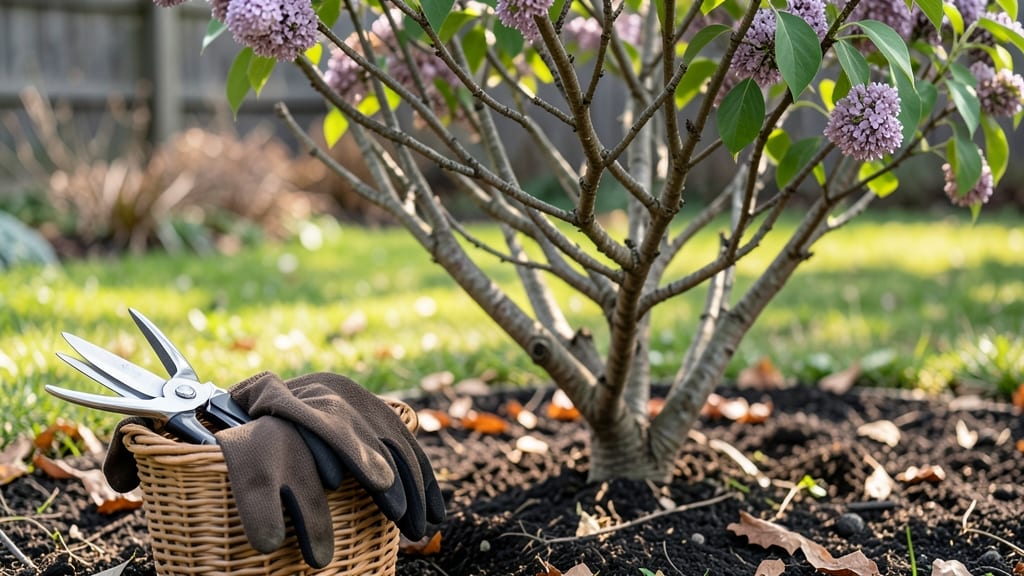
The best time to prune a lilac bush is late winter—just as buds begin to swell but before leaves unfurl, ensuring fragrant spring blooms 🌸.
Struggling to get your lilac bush to bloom beautifully every spring? The secret often lies in timing—pruning at the wrong moment can rob you of fragrant flowers and healthy growth. Discover the science-backed late-winter window that transforms your lilac’s performance.
Most gardeners miss the ideal window because they focus on when the lilac looks dormant, not when it’s preparing to burst into life. In USDA Zone 6a, that means pruning between February and March, right after the last frost but before buds break.
Below, I’ll break down the exact steps to revive your lilac, avoid common pruning mistakes, and keep those fragrant blooms coming year after year—no guesswork required.
Why late winter is the optimal time to prune lilac bushes for maximum blooms
If your lilac bushes are struggling to produce the fragrant blooms you love, the timing of your pruning cuts might be the culprit. Late winter is the perfect window to prune lilacs because it aligns with their natural dormancy cycle.
During this time, the plant is resting but hasn’t yet begun actively growing, making it far less stressful for the shrub.
Pruning in late winter ensures you don’t accidentally remove the flower buds that form on the previous year’s wood. These buds develop in late summer and early fall, but they remain dormant until spring. Cutting them off too early—like in summer or early winter—means fewer blooms the following year.
The key is to prune after the last frost but before bud break, typically between February and March in most USDA zones 3-9.
Here’s why late winter pruning works best for lilacs:
| Timing Factor | Why It Matters | Actionable Tip |
|---|---|---|
| Dormant Season | Plant conserves energy; less stress from pruning. | Prune when temps are above 32°F but before buds swell. |
| Flower Bud Formation | Bud development starts in late summer; pruning too early removes next year’s blooms. | Avoid cutting back more than 1/3 of the plant in one season. |
| Sap Flow | Early sap flow weakens the plant; late winter pruning minimizes bleeding. | Use sharp, clean tools to reduce damage and disease risk. |
| Climate Zones 3-9 | Warmer zones (e.g., Zone 9) can prune slightly later; colder zones (e.g., Zone 3) need earlier timing. | Adjust timing by 2-4 weeks based on your last frost date. |
| Bud Break Window | Pruning too late encourages new growth that may be damaged by frost. | Look for tight buds that haven’t yet begun to unfurl. |
Botanically, lilacs are deciduous shrubs that rely on old wood for flowering. When you prune in late winter, you’re shaping the plant for the upcoming growing season without interfering with the flowering process.
This timing also allows the shrub to heal quickly before the active growth phase begins, reducing the risk of disease or pest infestations.
Another critical reason is the avoidance of sap flow. Early spring pruning can cause excessive sap bleeding, which weakens the plant and attracts pests like aphids.
Late winter pruning, however, minimizes this risk because the plant’s sap flow hasn’t yet activated. This makes the process cleaner and less stressful for the lilac.
For gardeners in USDA zones 3-9, the late winter window typically falls between late February and early March. However, this can vary slightly depending on your local climate.
In colder zones like Zone 3 or 4, you might need to prune as early as January to avoid early bud break. Conversely, in warmer zones like Zone 8 or 9, you can wait until March or even early April.
To determine the exact timing for your region, check your average last frost date. Aim to prune 4-6 weeks before the last frost, giving the lilac enough time to knit together before new growth begins.
This window ensures that the shrub enters the growing season strong and healthy, setting the stage for a bountiful bloom.
One common mistake is pruning too late, which can stimulate new growth that may be damaged by late frosts. Always monitor your lilac for signs of bud swell, which indicates it’s time to stop pruning.
If you miss the late winter window, you can still prune in early spring, but you risk reducing the number of flowers next season.
By pruning in late winter, you’re not just shaping your lilac—you’re optimizing its health and productivity for the years to come. This simple timing adjustment can transform a lackluster lilac into a fragrant, vibrant centerpiece in your garden. 🌸
Step-by-step late winter pruning guide: how to revive your lilac’s health
Late winter is the perfect time to prune your lilac bush because it’s still dormant but ready to burst with new growth. This 7-step guide will help you revive your shrub’s health while ensuring abundant spring blooms.
Start by gathering your tools and assessing the bush’s structure before making any cuts.
Your goal is to remove dead or weak branches while shaping the bush to encourage airflow and sunlight penetration. Lilacs bloom on old wood, so avoid cutting back into last year’s growth unless the branch is diseased. Focus instead on rejuvenation cuts to stimulate fresh, vigorous growth.
⚠️ When Is the Best Time to Prune a Lilac Bush?
Prune your lilac after the last frost but before buds swell—typically late February to early April in most USDA zones. In colder climates (zones 3-5), wait until March or April to avoid frost damage. Never prune in summer—this removes next year’s flower buds!
First, inspect your lilac for dead or diseased branches. These will be brown and brittle to the touch, with no green inner bark. Use sharp pruning shears to cut these branches back to the main stem.
For healthy branches, look for green bark and a firm structure—these will support next year’s blooms.
Next, remove any crossing or rubbing branches that create wounds. These can invite pests and diseases while blocking sunlight from reaching the center. Cut these branches just above an outward-facing bud to encourage growth away from the center. Use a clean pair of loppers for branches thicker than ½ inch.
For rejuvenation pruning, focus on older wood that’s over 3 years old. Cut these branches back to a strong lateral branch or the main stem. This encourages new growth from the base, keeping your lilac bush compact and bushy.
Never remove more than ⅓ of the plant’s total growth in one season to avoid stress.
After pruning, sanitize your tools with rubbing alcohol to prevent spreading disease. Apply a balanced fertilizer (like 10-10-10) around the base to support new growth. Water deeply but avoid overwatering, as lilacs prefer well-draining soil.
Mulch the base with 2-3 inches of organic mulch to retain moisture and suppress weeds.
Finally, step back and admire your work! Your lilac should now have an open, airy structure that allows sunlight to reach all branches. With proper late-winter pruning, you’ll enjoy healthier growth and more fragrant blooms next spring. Repeat this process every 2-3 years to keep your lilac thriving.