
Pruning
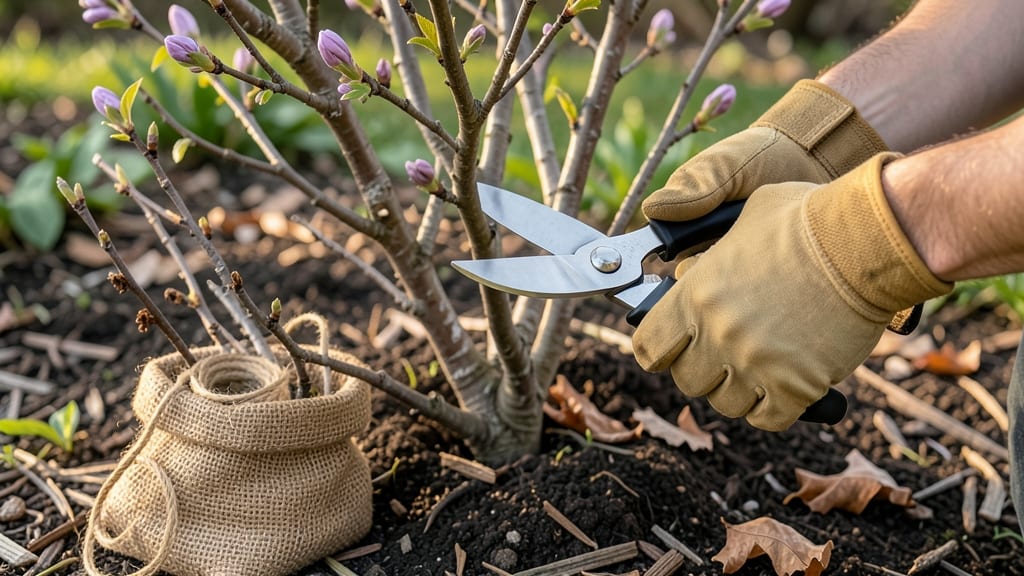
Pruning lilacs in spring isn't just about shaping—it's about unlocking next year's showstopping fragrance while keeping your bush healthy. I've learned the hard way that timing matters: prune too early, and you sacrifice this year's blooms; too late, and you stunt next season's growth.
The secret? Wait until after flowering, when the buds have faded but before summer heat sets in.
You only need three basic cuts to transform a leggy lilac into a compact, blooming powerhouse. First, remove any dead or crossing branches—this improves airflow and prevents disease. Then, trim back last year's flower stalks to just above the first set of healthy leaves.
Finally, shape the bush by cutting back any overly long stems to maintain an open center. It takes about 15-20 minutes for a mature bush, and the difference is night and day.
The payoff comes in late spring when your lilacs burst into bloom, their fragrance filling the air like a natural perfume. With proper pruning, you'll see 30-50% more flowers next year, plus stronger stems that hold up to rain and wind.
The key is consistency—prune the same way every year, and your lilacs will reward you with decades of reliable blooms.
This method works for both old-fashioned and modern lilac varieties, whether you're dealing with a single bush or a whole hedge. The only tools you need are sharp pruners and a little patience. Let's get those branches trimmed before summer arrives!
📚 In This Guide
- What you need
- Instructions
- Tips and common mistakes
- Wrapping up and next steps
What you need
- ● Pruning shears (bypass or anvil type) – Choose sharp, high-quality shears (e.g., Felco or Fiskars) with a 4- to 6-inch blade for precision cuts. Disinfect with rubbing alcohol before and after use to prevent disease spread.
- ● Lopping shears or pruning saw – For thicker stems (over ½-inch diameter), opt for a bypass lopper or a curved pruning saw with fine teeth.
- ● Gloves (heavy-duty gardening gloves) – Protect your hands from thorns and sap. Look for nitrile-coated or leather gloves with tactile grip.
- ○ Disposable pruning sealant (optional but helpful) – A wound dressing (like Tanglefoot Tree Wound Pruning Sealer) to coat large cuts and minimize sap oozing.
- ● Trash bags or bucket – Collect pruned branches for composting or disposal. A 5-gallon bucket or heavy-duty contractor bags work well.
- ● Ladder (if needed) – For tall lilacs (over 6 feet), use a stable, 3-section aluminum ladder with non-slip feet.
- ● Hand pruners with a bypass blade – For smaller, more delicate cuts on younger stems.
- ● Rubbing alcohol (70% isopropyl) – Keep a small bottle handy to sterilize tools between cuts.
- ● Sharpie or permanent marker – Mark stems to identify blooming vs. non-blooming wood if needed.
- ● Safety glasses – Protect your eyes from debris, especially when using a pruning saw.
- ● Knee pads or a small stool – For comfort if you’re pruning low-growing or sprawling lilacs.
Instructions for pruning lilacs in spring
Reviving your lilacs with just three simple cuts will bring back that signature fragrance and fuller blooms.
Time Your Pruning for Peak Health
Prune lilacs immediately after they finish blooming—never before. This timing ensures you don’t cut off next year’s flower buds, which form on last year’s growth. Look for spent blooms that have turned brown and dropped petals; that’s your cue. If you prune too early, you risk removing next season’s flowers entirely.
Most lilacs bloom in late spring, so aim for late May or early June in most climates. In warmer regions, this might be April, while cooler zones may need to wait until June. The key is to act within a week or two after the last flower fades. You’ll know you’ve waited too long if new flower buds begin forming on the stems.
Remove Dead or Weak Wood First
Start by inspecting your lilac shrub for any branches that are dead, diseased, or crossing. Dead wood appears dry, brittle, and often dark brown or black. Diseased branches may have black spots, oozing sap, or unusual growths. Use clean, sharp pruning shears to cut these out at the base of the shrub, making a clean slice just above a healthy bud or lateral branch.
Weak or crossing branches can crowd the center of the shrub, reducing airflow and inviting pests. Remove any branches that rub against others or grow inward. This step opens up the shrub’s center, allowing sunlight and air to reach all parts. You’ll notice the shrub’s shape immediately improves as you make these cuts.
Thin Out Overcrowded Branches
Next, focus on thinning out the oldest and thickest branches to rejuvenate the shrub. Lilacs produce their best blooms on younger wood, so removing some of the oldest stems encourages new, vigorous growth. Start at the base of the shrub and look for branches that are larger than ½ inch in diameter. Selectively remove about one-third of these older stems, cutting them back to the ground.
As you work, step back occasionally to assess the shrub’s shape. Aim for an open, vase-like structure with a few main branches spreading outward. Avoid removing more than one-third of the shrub’s total branches in a single year—this can stress the plant. You’ll see the shrub’s energy shift toward producing new, stronger growth in the coming seasons.
Shape the Shrub for Better Blooms
Finally, give your lilac a light shaping to encourage an even, balanced form. Focus on the outer branches, cutting back any that grow too long or leggy. Make your cuts just above a bud that faces outward—this directs the new growth in a way that keeps the shrub full and rounded. Avoid cutting back into old wood, as this can reduce flowering.
Use your shears to trim branches that are longer than 24 inches, cutting them back to a strong lateral branch or bud. This step ensures the shrub stays manageable and promotes a bushier appearance. After pruning, the shrub should look more compact and inviting, with plenty of room for new growth to fill in.
Tips & tricks for pruning lilacs in spring
These simple tricks will help you prune your lilacs like a pro, ensuring those fragrant blooms come back bigger and better every year.
Timing is Everything: I can't stress enough how critical timing is—prune too early, and you risk cutting off next year's blooms. The key is to wait until the flowers have completely faded and dropped their petals. If you're unsure, check for new flower buds forming on the stems; if you see them, you've waited too long. Most lilacs bloom in late spring, so late May or early June is ideal for most regions.
Tool Prep Makes All the Difference: Before you start, make sure your pruning shears are sharp and clean. Dull blades can crush stems instead of making clean cuts, which stresses the plant. I also recommend disinfecting your tools with rubbing alcohol between cuts if you're dealing with diseased branches. This prevents spreading any potential infections to healthy parts of the shrub.
Shape with Purpose: When you're shaping the shrub in Step 4, focus on creating an open, vase-like structure. This allows sunlight and air to reach all parts of the plant, which is crucial for preventing fungal diseases. Always cut just above a bud that faces outward—this directs the new growth in a way that keeps the shrub full and rounded. I like to step back every few cuts to assess the overall shape from all angles.
Don't Overdo It: One of the most common mistakes is removing too much at once. Remember, lilacs produce their best blooms on younger wood, so avoid cutting back more than one-third of the shrub's total branches in a single year. This rule applies especially to Step 3 when thinning out older stems. The shrub's energy needs to focus on new growth, not recovering from drastic pruning.
Pro Tips for Pruning Lilacs In Spring
- These simple tricks will help you prune your lilacs like a pro, ensuring those fragrant blooms come back bigger and b...
- Timing is Everything: I can't stress enough how critical timing is—prune too early, and you risk cutting off next yea...
- Tool Prep Makes All the Difference: Before you start, make sure your pruning shears are sharp and clean. Dull blades ...
Frequently asked questions
Got questions about pruning lilacs in spring? You’re not alone! Here are answers to the most common concerns to help you prune like a pro—without the guesswork.
When is the exact best time to prune lilacs in spring?
Prune lilacs right after they finish blooming (usually late May to early June, depending on your zone). This ensures you don’t cut off next year’s flowers, which form on old wood. If you prune too early, you risk sacrificing fragrance—and no one wants that!
How much can I cut back without hurting my lilac bush?
For healthy growth, trim back 1/3 of the oldest stems to the ground each year. Avoid over-pruning—this can stress the plant. Focus on thinning out crowded branches and shaping the bush for airflow. Think of it like a haircut: less is more!
What if I prune at the wrong time and my lilacs don’t bloom?
Don’t panic! Lilacs are resilient. If you pruned too early (before blooming), skip pruning this year and wait until next spring. If you cut back all the stems, you may see fewer flowers—but they’ll recover. Next time, mark your calendar for post-bloom pruning!
Can I prune lilacs in fall instead of spring?
Fall pruning is not recommended for lilacs because it encourages tender new growth that can’t survive winter. If you must prune in fall, do it lightly (just shaping) and avoid heavy cuts. Spring is the gold standard for lilac care—stick with it!
What if my lilac bush looks dead after pruning?
Don’t toss it yet! Lilacs can look scary after pruning, but they’re often still alive. Check for green buds near the base or along stems—these signal life. Water deeply, avoid fertilizing for 6 weeks, and give it time. Patience pays off with a bigger, bushier bloom next year!
Wrapping up and next steps
Pruning your lilacs in spring isn’t just about keeping them tidy—it’s your secret to bigger blooms, healthier plants, and a garden bursting with fragrance! 🌸 With just three simple cuts—removing old wood, shaping the shrub, and encouraging new growth—you’ll set your lilacs up for a stunning season.
The best part? A little effort now means years of effortless beauty.
Ready to transform your lilacs? Grab those pruners and get started—your future blooms will thank you! 🌿 For extra confidence, bookmark this guide or snap a photo of your cuts for reference next year. Happy pruning!