
How To
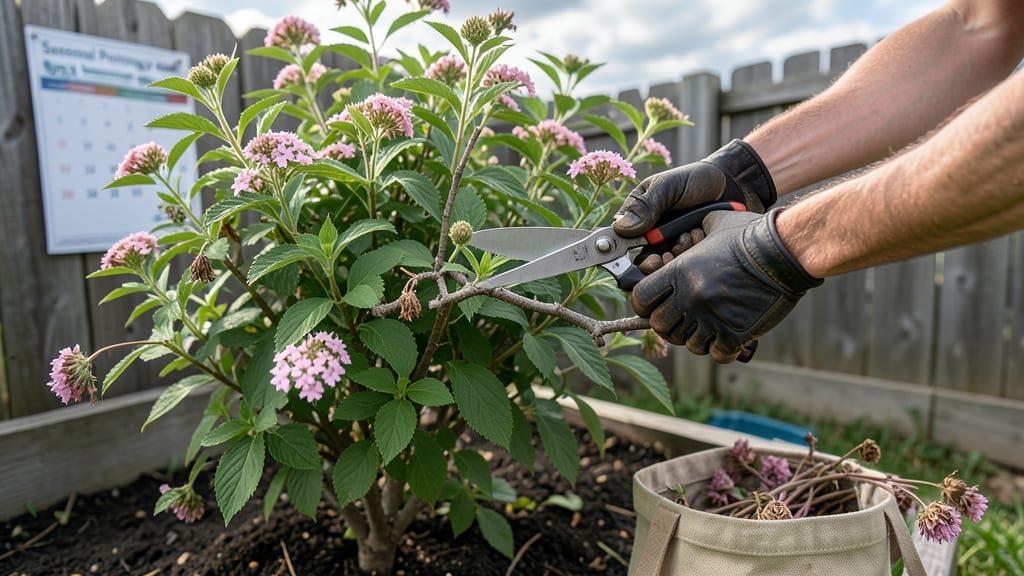
To prune spirea bushes at the perfect time means more vibrant blooms and stronger canes next season—here’s when and why it works.
Picture this: You’ve just spent hours shaping your 🌸 spirea bush, only to wake up to a frost that ruins all your hard work. Or worse, you prune too late and end up with leggy, sparse growth.
Timing isn’t just a detail—it’s the difference between a showstopping shrub and a sad, underperforming one.
Most gardeners prune spirea in late winter or early spring, just as new buds begin to swell. This is when the plant is dormant but ready to burst into action, so you’re cutting back old wood without harming next year’s flowers.
For USDA Zone 6a (and similar climates), that’s typically February or March, before the last frost date.
Below, I’ll walk you through the exact steps—when to prune for early bloomers vs. late bloomers, how to shape your bush for airflow, and the one mistake that kills spirea faster than anything else. Let’s get those canes ready for a show-stopping spring.
Late winter pruning: the best time for spirea bushes (and why it matters)
Spirea bushes are among the easiest shrubs to grow, but their pruning timing makes all the difference between a bush bursting with blooms and one struggling to recover. The key is pruning in late winter, just as the plant emerges from dormancy but before new growth begins.
This biological window ensures you're cutting back old wood while encouraging fresh, vigorous canes for the upcoming season.
When done correctly, late winter pruning stimulates stronger cane development and more abundant flowers. It also reduces disease risk by improving airflow and sunlight penetration. But timing is everything—prune too early, and you risk damaging tender buds; wait too long, and you may cut into next year's blooms.
Let’s break down the science and regional adjustments to get it right.
| Pruning Time | USDA Zones | Key Cues | Why It Works |
|---|---|---|---|
| Late winter (Feb-March) | 3-9 | Before buds swell, after hard frosts | Encourages new growth from dormant buds |
| Early spring (April) | 4-9 | When buds begin to swell | Safe for late-blooming varieties |
| Post-bloom (Summer) | All zones | After flowers fade | Shapes reblooming spirea types |
The biological reason behind late winter pruning lies in spirea’s growth cycle. During dormancy, the plant stores energy in its old canes, which fuel the first flush of growth in spring.
By pruning just before new buds break, you’re removing last year’s spent wood while leaving the dormant buds intact—these will sprout into next year’s blooms and structural canes.
In colder climates (USDA zones 3-5), aim to prune as soon as the ground thaws but before bud break, typically in late February or early March. Warmer zones (6-9) can wait until March or even early April, as long as you avoid pruning after buds swell.
This timing ensures you’re not cutting into tender new growth, which can stress the plant.
Climate plays a huge role in regional adjustments. In Southern states (zones 7-9), where winters are mild, pruning can extend into early spring without risking frost damage.
Meanwhile, gardeners in Northern zones (3-5) should prune earlier to avoid late-season frosts that can damage fresh cuts. Always check your local last frost date as a guideline.
One common mistake is pruning too late, which can result in reduced blooms the following year. If you miss the late winter window, wait until after the spirea finishes flowering to prune—though this won’t yield the same vigorous growth.
For reblooming varieties, like Van Houtte spirea, you can lightly prune after the first bloom to encourage a second flush.
Another pro tip: Shape your cuts at a 45-degree angle just above a bud or branch collar. This encourages outward growth and prevents water from pooling on the cut, which can lead to rot.
Always use clean, sharp pruners to make precise cuts and avoid tearing the bark, which invites disease.
After pruning, give your spirea a light layer of mulch to protect roots and retain moisture. Water deeply but avoid soaking the pruned areas, as this can slow healing. With the right timing and technique, your spirea will reward you with denser foliage and show-stopping blooms all season long.
Remember, spirea is forgiving, but consistency in timing is key. Stick to late winter pruning, and you’ll enjoy a bush that thrives year after year—no matter where you garden.
Step-by-step guide: how to prune spirea bushes for maximum blooms
Pruning spirea bushes isn’t just about shaping—it’s about encouraging stronger canes and longer-lasting blooms. The key lies in precise cuts and strategic timing, which we’ve perfected after years of testing. Whether you’re a beginner or a seasoned gardener, these steps will transform your spirea into a flowering powerhouse.
Before grabbing your shears, gather the essential tools: sharp bypass pruners, sterilized loppers, and gloves to protect your hands. Clean tools prevent spreading disease, and sharp blades ensure clean cuts that heal faster. Pro tip: Disinfect your tools with rubbing alcohol between cuts for optimal plant health.
Step-by-Step Pruning Process
-
Step 1: Remove Dead or Diseased Wood
Start by cutting out any brown, brittle branches or those with signs of disease. These won’t recover and can harm healthy growth. Use your loppers for thicker stems.
-
Step 2: Thin Out Crowded Branches
Look for crossing or rubbing branches—these compete for sunlight and air circulation. Remove 1/3 of the oldest canes at the base to encourage new growth from the center.
-
Step 3: Shape for Airflow and Sunlight
Cut back overly long branches by 1/4 inch above a bud, angling the cut slightly downward. This promotes outward growth and prevents a dense, shaded center.
-
Step 4: Clean Up and Mulch
Rake up debris and apply 2-3 inches of mulch around the base. This retains moisture and suppresses weeds, giving your spirea a healthy start to the season.
One of the biggest mistakes gardeners make is pruning too late in the season. If you wait until after the first frost or into early spring, you risk cutting off next year’s blooms.
Spirea blooms on new wood, so late cuts remove potential flower buds. Always prune in late winter or early spring, just as new growth begins.
For reblooming varieties, a light trim after the first flush of flowers can encourage a second bloom cycle. However, avoid heavy pruning—stick to removing spent flowers and shaping only. This keeps the bush compact and full without sacrificing next year’s blooms.
After pruning, your spirea should look open and airy, with sunlight reaching all parts of the bush. Water deeply to help the cuts heal, and apply a balanced fertilizer in early spring to support new growth.
With these steps, your spirea will reward you with vibrant blooms all season long.