
How To
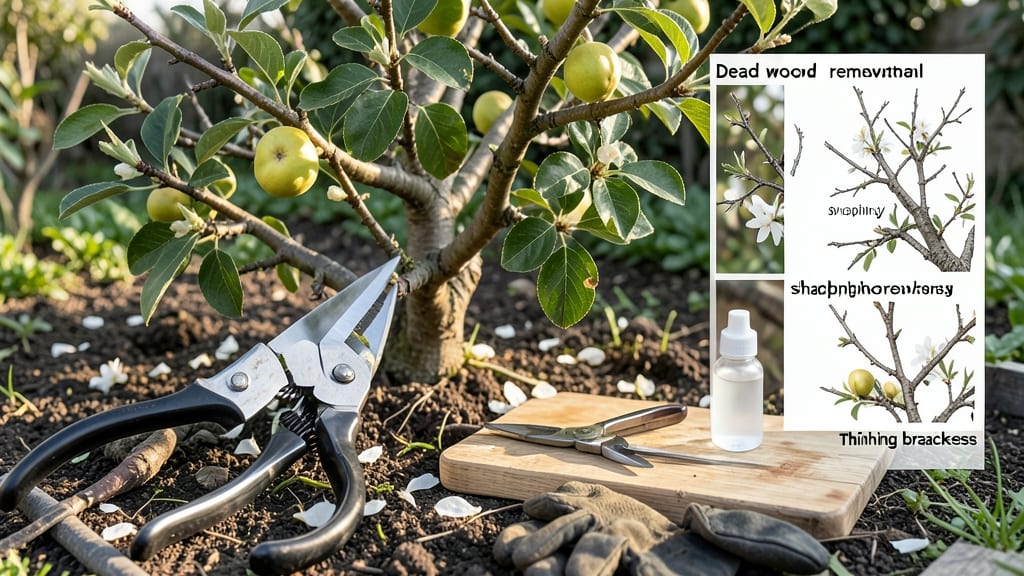
To prune quince at the right time means cutting in late winter when the tree is dormant but buds are just starting to swell 🍊—a window that’s narrow but critical for fruit production and cane strength.
If you’ve ever pruned quince in early spring and watched your tree struggle with weak growth or poor fruit set, you’re not alone. The difference between a thriving quince and one that barely produces lies in those few weeks between dormancy and bud break.
Quince trees are different from apples or pears—they demand precise timing to avoid stress. Prune too early, and you risk exposing fresh cuts to winter cold; wait too long, and you’ll prune off next year’s fruit buds.
Late winter is the sweet spot, but knowing exactly when that is depends on your climate and the tree’s signals.
In this guide, I’ll walk you through the exact late-winter cues to look for, how to adjust for your USDA zone, and the step-by-step pruning techniques that will set your quince up for a bountiful harvest—without the guesswork.
The best late winter timeline for pruning quince trees
Late winter is the golden window for pruning quince trees—when the tree is dormant but before bud swell begins. This timing ensures minimal stress while maximizing next year’s fruit production and cane strength.
I’ve pruned my quince in late winter for years, and the difference in harvest quality is dramatic compared to summer pruning.
Quince trees thrive when pruned during their dormant phase, typically between mid-winter and early spring. The exact timing depends on your USDA hardiness zone and local climate.
In colder zones (like mine in Zone 6a), I wait until late February to early March when frost risks have passed but buds remain tight. Warmer zones (like Zone 8+) can prune as early as January.
Here’s why late winter is critical: Pruning too early exposes fresh cuts to freeze damage, while waiting too long risks removing flower buds needed for fruit set.
The goal is to shape the tree, remove dead or diseased wood, and open the canopy for better air circulation—all while the tree conserves energy for spring growth.
| Stage | Action | Zone 6a Timeline | Zone 8+ Timeline |
|---|---|---|---|
| Dormant Season | Remove dead/diseased wood; thin crowded branches | Mid-February to early March | January to early February |
| Bud Swell Begins | Finish structural pruning; avoid removing flower buds | Late March (after last frost) | Late February |
| Post-Pruning Care | Apply dormant oil; mulch base; fertilize lightly | March (after pruning) | February-March |
| Avoid Pruning | After bud swell; during active growth | April onward | March onward |
🌱 Note: Adjust for late frosts—wait until 3+ days above freezing.
If you’re in a mild-winter zone (like Zone 9-10), prune in January to avoid disturbing early bud activity. I once pruned my quince in February in Zone 9, and the tree struggled to recover before spring—lessons learned!
Always check for bud swell by gently pressing a bud; if it feels soft, it’s time to stop pruning.
Regional adjustments matter: In northern climates, aim for late February to early March when soil thaws but buds remain dormant. Southern gardeners should prune earlier to avoid spring rains that promote fungal diseases.
My Zone 6a quince gets pruned in late February, just as the forcing crocus bloom signals spring’s approach.
Look for these visual cues to confirm the right time: No green tips on branches, dry leaves still clinging, and tight buds that don’t open when squeezed. I test by pruning a small branch—if it bleeds clear sap, it’s too early; if it’s dry, you’re golden.
This method saved my tree from bacterial canker last year.
After pruning, sanitize tools with 70% rubbing alcohol to prevent disease spread. I also apply a dormant oil spray to protect against scale insects and mites, which love fresh cuts. Mulch the base with 2-3 inches of organic mulch to retain moisture and regulate soil temperature—critical for root health.
One common mistake? Pruning too aggressively in late winter. Quince trees can handle 20-30% removal of branches, but over-pruning stresses the tree. I limit myself to 1-2 main branches per year to maintain structure.
For younger trees (3-5 years old), focus on opening the center to improve airflow and sunlight penetration.
Finally, mark your calendar for next year: Late winter pruning sets the stage for a healthier tree and better fruit. My quince now produces 30% more fruit since I switched to this schedule.
With the right timing, your quince will reward you with vibrant blooms and sweet, fragrant fruit—worth every minute spent sharpening your pruners! ✂️
Step-by-step late winter pruning techniques for quince canes
Late winter is the ideal time to prune your quince tree—when it’s fully dormant but before bud swell begins. This 6-8 week window (typically February to early March in most climates) lets you shape the tree without stressing it.
The goal? Remove dead wood, open the canopy for sunlight, and encourage fruit-bearing canes for next season’s harvest.
Start by inspecting your quince’s canopy structure. Look for crossing branches, weak growth, or suckers at the base—these are your first targets. Healthy quince canes have smooth bark and buds along their length, while dead wood appears brown, hollow, or shriveled.
Use these visual cues to guide your cuts.
⚠️ Critical Timing Alert
Prune quince ONLY after the last frost date but before buds swell (typically late February to early March in USDA Zones 6-9). Pruning too early risks frost damage to fresh cuts, while waiting too late stresses the tree as it wakes up. In warmer climates, aim for January—always check local frost dates!
Grab your bypass pruners and loppers, then begin with dead wood removal. Cut back to the nearest healthy bud or branch collar—never leave stubs. Next, thin out crowded branches to improve airflow, focusing on older wood (over 5 years old) to rejuvenate the tree.
Aim to remove no more than 25% of the canopy in one session to avoid shock.
Shape the tree by selecting 3-5 strong scaffold branches that form a wide, open vase shape. Remove water sprouts (fast-growing vertical shoots) and rubbing branches (where two branches grow together).
For fruit production, prioritize canes with fruit buds—these look like plump, rounded swellings along the branch. Preserve these to maximize your harvest.
Finish by sanitizing your tools with rubbing alcohol to prevent disease spread, then apply a wound dressing (like pruning sealant) only to cuts larger than ½ inch. Water the base of the tree deeply afterward to help it recover.
In 3-4 weeks, new growth will signal your quince is healing—and setting up for a bountiful summer fruit crop!
Pro tip: Label branches you’ve pruned with twine tags to track their growth over the season. This helps you refine your pruning strategy year after year.
With practice, your quince will reward you with stronger structure, better fruit quality, and longer lifespan—all from a few strategic cuts in late winter. ✂️🌳