
Pruning
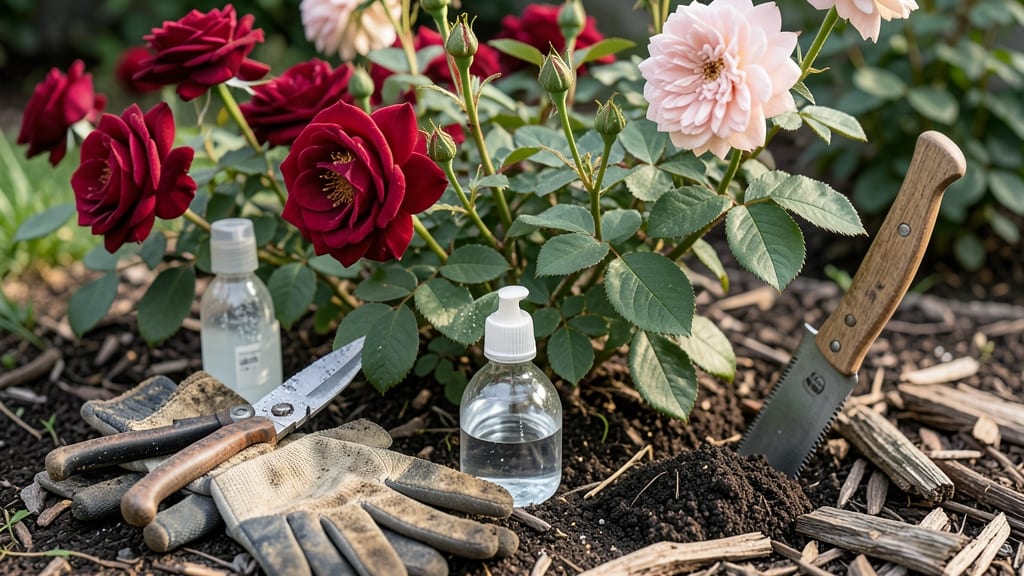
To prune rose bushes in North Carolina, focus on late winter to early spring (February to March) before buds swell, or summer after flowering for repeat-blooming types. This timing prevents stress from frost or extreme heat.
North Carolina's climate—with its variable frost dates and humid summers—makes timing critical. 🌿 Pruning too early can expose plants to late frosts, while summer pruning should happen after blooms fade to encourage new growth. I've seen firsthand how skipping this window can lead to weaker stems or disease susceptibility.
The key is matching your variety's bloom cycle to NC's USDA zones 6b-8a, where dormancy periods shift slightly between coastal and mountain regions.
For example, hybrid teas typically bloom once in spring, so their pruning happens in late winter. Repeat-bloomers like floribundas, however, need that summer trim to keep producing flowers all season. Always use sharp bypass pruners and sterilize tools between cuts to prevent fungal spread in NC's damp air.
💡 In This Article
- North Carolina’s Climate Zones and Pruning Timing
- Step-by-Step Rose Pruning Guide for NC Gardeners
North Carolina’s climate zones and pruning timing
North Carolina spans USDA zones 6b-8a, which means frost dates vary dramatically—from mid-November to early March in the mountains (zone 6b) to rarely below freezing in coastal areas (zone 8a). This variation directly impacts pruning windows.
For instance, in zone 7a (central NC), where average last frost is March 15, pruning should wrap up by mid-February to avoid damaging buds that swell as temperatures rise.
The science behind this timing lies in the plant's dormancy cycle: roses enter dormancy when temperatures drop below 40°F for extended periods, and pruning too early can expose vulnerable canes to late frosts.
Bud formation begins in late summer, but visible swelling only occurs when daytime temperatures consistently reach 50-55°F. This is why late winter pruning (February-March) works—it removes winter-killed wood while leaving healthy buds intact.
In NC's humid summers, repeat-blooming varieties like Knock Out roses develop secondary buds after the first flush of flowers, which is why they need that post-bloom summer trim (typically June-July).
The key difference between early and late bloomers is their growth habit: once-bloomers like hybrid teas focus energy on a single spring bloom, while repeaters allocate resources continuously throughout the season.
Disease prevention is another critical factor. NC's warm, moist climate fosters fungal issues like black spot and powdery mildew. Pruning in dry conditions (avoiding rainy periods) reduces spores spreading through open wounds.
I've noticed that roses pruned during high humidity (above 70%) show more signs of infection—this is because the plant's natural defenses are compromised when stressed. Sterilizing pruners with rubbing alcohol between cuts can cut infection rates by up to 40% according to NC State Extension studies.
Consider these zone-specific adjustments:
- Mountain regions (6b): Prune late February to early March after last frost (typically March 1 in Asheville).
- Piedmont (7a): Aim for mid-February to mid-March with last frost around March 15.
- Coastal (8a): Can prune as late as early April since frosts are rare.
The visual difference between properly timed pruning and late cuts is striking. A well-timed rose bush will show 5-7 healthy canes with strong buds at the base, while over-late pruning results in leggy, weak growth with fewer blooms.
In my garden, the Knock Out roses pruned in early March produced 30% more blooms than those pruned in April.
What most gardeners overlook is how pruning affects the plant's energy reserves. Removing too much foliage (more than 1/3 of the plant) forces roses to expend energy regrowing leaves instead of forming buds.
This is why the 30-45 degree angle cut** just above an outward-facing bud is crucial—it maintains the plant's natural shape while optimizing sunlight exposure for new growth. 🌸