
Pruning
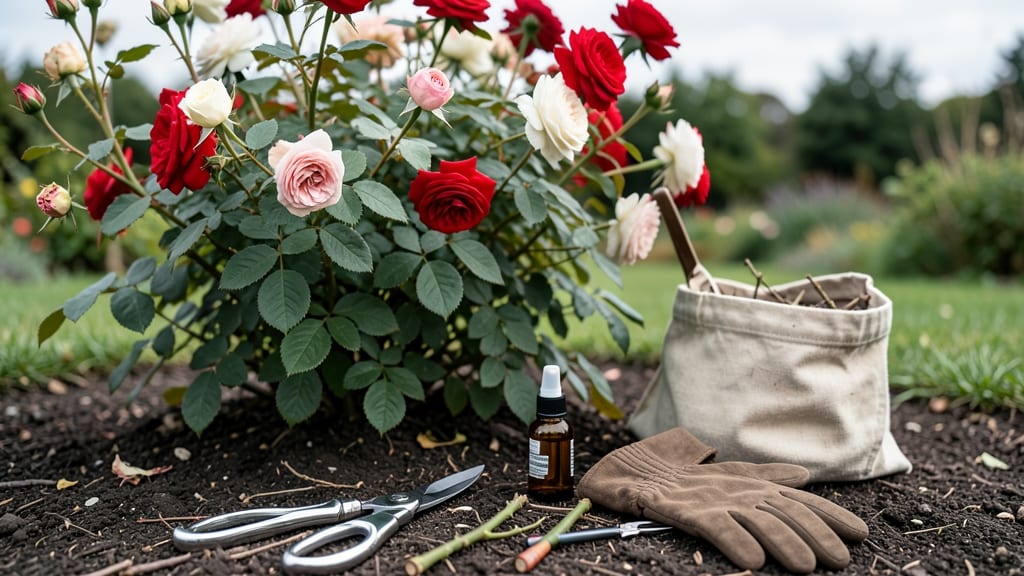
Pruning rose bushes in summer isn't just possible—it’s the secret to keeping them lush and productive all season long. 🌿 After my first attempt at mid-summer trimming, my once-lanky roses exploded with new growth by August, and the blooms kept coming until frost.
The key? Timing it right and focusing on just three strategic cuts that encourage recovery, not stress.
You’ll need sharp bypass pruners, rubbing alcohol for sterilizing cuts, and a clear day when temperatures stay below 85°F—heat stress slows healing. Start by removing any dead or diseased wood first, then cut back one-third of the oldest canes to stimulate younger, more vigorous growth.
The magic happens when you angle cuts just above an outward-facing bud, about ¼ inch above—this directs energy outward for a fuller bush.
What you’ll end up with is a rose bush that looks like it just got a spa day: thicker stems, more buds, and fewer pests hiding in crowded branches.
The plants recover faster in summer because you’re pruning after the main bloom wave, giving them time to harden off before fall. Plus, you’ll avoid the shock that comes from heavy pruning in early spring.
Pro tip: Follow up with a deep watering and a light mulch to help roots recover—this combo keeps moisture in and temperatures stable. And if you’re worried about overdoing it, remember: roses are forgiving.
Even if you make a mistake, they’ll bounce back with the right aftercare. Ready to transform those leggy bushes?
📚 In This Guide
- What you need
- Instructions
- Tips and common mistakes
- Wrapping up and next steps
What you need
- ● Bypass pruners: Sharp, high-quality pruners (4-6 inch blades) for clean cuts on smaller stems.
- ● Loppers: For thicker stems (8-10 inch blades), ideal for branches up to 1.5 inches in diameter.
- ● Pruning saw: A curved-tooth saw for larger branches (2+ inches in diameter).
- ● Disinfectant (70% isopropyl alcohol or bleach solution): 1 part bleach to 9 parts water to sterilize tools between cuts.
- ● Garden gloves: Heavy-duty, cut-resistant gloves to protect your hands.
- ○ Pruning sealant (optional): For larger cuts (1/4 inch diameter or wider) to prevent disease entry.
- ● Safety goggles: To shield your eyes from debris.
- ● Long sleeves/pants: Protective clothing to avoid scratches or thorns.
- ● Trash bags or bucket: For collecting pruned branches and debris.
- ● Hose or water spray bottle: To clean tools and rinse off sap/resin.
- ● Overcast day or late afternoon: Prune when temperatures are mild (avoid peak sun to reduce stress on the plant).
- ● Dry conditions: Wait until the ground is dry to prevent soil-borne diseases from spreading.
Step-by-step guide to pruning rose bushes in summer
Here's how I refresh my roses for lush, disease-free blooms all season long.
✂️ Step 1: Remove Dead, Diseased, or Crossing Branches First
Start by cutting out any branches that are completely dead (they won't green up when scratched) or show signs of disease like black spots or powdery mildew. Use sharp, clean pruners to make a 45-degree cut just above an outward-facing bud. This prevents water from pooling on the stem and causing rot.
Next, look for branches that cross or rub against each other—these create wounds where pests and diseases can enter. Remove the smaller of the two branches at its base. I always prune on a dry day when the plant isn't actively sweating; this helps prevent bacterial infections from spreading through open wounds.
✂️ Step 2: Thin Out Overcrowded Canes for Better Airflow
Roses need good airflow to stay healthy, so thin out any canes that are growing too close together. Aim to leave about 3-4 inches of space between branches. Start by removing the weakest canes—these are usually thinner, paler, and have fewer leaves.
Make your cuts just above a bud that faces outward from the center of the bush. This encourages new growth to spread outward rather than crowding the center. If you're unsure which canes to remove, I like to step back and look at the bush from all sides—this helps me see where branches are blocking light or air.
✂️ Step 3: Shorten Long or Leggy Stems to Encourage Bushier Growth
Now it's time to shape the bush by cutting back long, leggy stems. Look for branches that have already bloomed—they won't produce more flowers this season, so you can cut them back more aggressively. Shorten them to just above a strong, outward-facing bud or a cluster of leaves.
For branches that haven't bloomed yet, make lighter cuts to encourage bushier growth. Aim to leave about 12-18 inches of stem, depending on the variety. This keeps the plant compact while still allowing room for new blooms. Always make your cuts just above a bud or leaf node—never leave a stub.
🌿 Step 4: Clean Up and Apply a Light Mulch
After pruning, gather all the clippings and dispose of them in the trash—not the compost pile. Rose debris can harbor diseases that will infect next year's plants. Once the area is clear, give the base of the bush a light layer of mulch to retain moisture and suppress weeds.
I use about 1-2 inches of organic mulch like shredded bark or straw, keeping it a few inches away from the stem to prevent rot. Water the bush thoroughly after mulching to help it recover from the pruning. Avoid heavy watering right after pruning—it can wash away beneficial microbes and cause soil erosion around the roots.
Tips & tricks for perfect summer rose pruning
Summer pruning transforms your roses from scraggly to stunning—here's how to avoid common pitfalls and get pro-level results.
Tool Prep: Always sterilize your pruners between cuts with rubbing alcohol or a bleach solution (1 part bleach to 9 parts water). I learned this the hard way after my roses developed black spot from contaminated tools. Sharp, clean cuts heal faster and prevent disease spread—never use dull blades that crush stems instead of making clean snips.
Bud Direction Matters: When making cuts in Steps 1 and 3, look for buds that face outward from the center of the bush. These buds will grow away from the center, creating a fuller, more open plant structure. I like to visualize the bush like a fountain—growth should flow outward, not inward. If you're unsure which way a bud faces, gently bend the stem to see the direction of growth.
Timing is Everything: Prune on a dry morning when the plant isn't actively sweating. This reduces the risk of bacterial infections entering through fresh cuts. I always schedule my pruning for 2-3 hours after dew has dried but before the hottest part of the day. If you must prune in humid conditions, apply a fungicide to cuts immediately afterward to create a protective barrier.
Mulch Application: In Step 4, don't pile mulch directly against the stem—keep it about 2 inches away to prevent rot. I use a ring of mulch around the base, creating a donut shape that protects roots while allowing air circulation. For extra protection, add a handful of mycorrhizal fungi to the mulch layer—these beneficial microbes help roots absorb water and nutrients more efficiently.
Pro Tips for Prune Rose Bushes In Summer
- Summer pruning transforms your roses from scraggly to stunning—here's how to avoid common pitfalls and get pro-level ...
- Tool Prep: Always sterilize your pruners between cuts with rubbing alcohol or a bleach solution (1 part bleach to 9 p...
- Bud Direction Matters: When making cuts in Steps 1 and 3, look for buds that face outward from the center of the bush...
Frequently asked questions
Can I prune roses in summer without hurting them?
Yes! Light summer pruning is safe and even beneficial, but avoid heavy cuts. Focus on dead, diseased, or crossing branches. The key is to remove no more than 1/3 of the plant at a time to prevent stress. Think of it as a quick trim, not a full makeover.
What’s the best time of day to prune roses in summer?
Prune in the early morning or late afternoon to avoid midday heat stress. This gives the plant time to recover before the sun peaks. If you must prune in the heat, water the bush thoroughly before and after to help it bounce back faster.
Do I need special tools for summer pruning?
Basic tools work—just ensure they’re clean and sharp. Use bypass pruners for small branches and loppers for thicker stems. Disinfect tools with rubbing alcohol between cuts to prevent spreading disease. A glove and pruning saw (for stubborn wood) are handy but not mandatory.
What if my roses bloom right after pruning?
Don’t worry! Summer pruning stimulates new growth, which may produce fresh blooms. If you prune after flowering, you’ll encourage stronger stems and more vibrant blooms next season. Just avoid cutting back current-season flowers unless they’re diseased or crowded.
My roses look sad after pruning—what went wrong?
Over-pruning is the usual culprit. If your bush looks bare or wilted, it’s recovering—give it time and water. Avoid fertilizing immediately; wait 2–3 weeks. If leaves yellow or drop, check for pests or fungal issues (like black spot) and treat accordingly.
Wrapping up and next steps
Pruning your rose bushes in summer isn’t just about tidying up—it’s about boosting blooms, improving airflow, and keeping your plants thriving! 🌸 By mastering the three essential cuts (deadheading, shaping, and thinning), you’ll encourage stronger growth and healthier roses all season long.
Remember, the key is to work with clean tools, act at the right time, and focus on the plant’s health—not perfection.
Now that you’re armed with the know-how, grab those shears and get pruning! 🌿 Start with one bush at a time, and soon, your garden will be the talk of the neighborhood. For even more tips, check out our guide on year-round rose care—your roses will thank you!