
Pruning
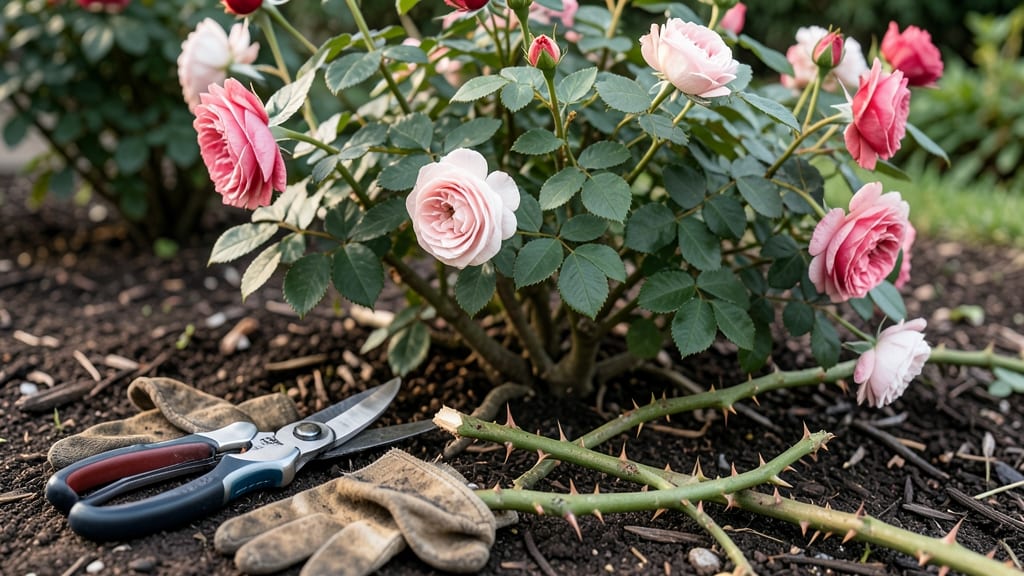
The right pruning shears for rose bushes can turn a messy job into a satisfying ritual that extends your blooms all season. 🌹 I’ve pruned roses for years, and the difference between dull shears and sharp ones isn’t just about ease—it’s about the health of your plants.
A single snip with the wrong tool can stress a bush for weeks, while the right shears make cuts so clean they heal faster and encourage more flowers.
Bypass shears are the gold standard for roses: their two blades glide past each other for a precise cut that won’t crush stems. Look for ergonomic handles (your hands will thank you after 50 cuts) and a blade that stays sharp through 100+ prunings
Anvil shears might seem cheaper, but they crush stems, inviting disease—something you don’t want near your prize roses. With the right shears, you’ll prune with confidence, shaping bushes to double their bloom production while keeping them disease-free. The key is cutting at a 45-degree angle just above an outward-facing bud, and we’ll walk through that step-by-step—no guesswork involved. Maintenance is simple: wipe blades after each use, sharpen them annually, and store them in a dry place. A well-cared-for pair lasts decades, saving you money and frustration over time. Let’s get those roses looking their best!
📚 In This Guide
- What you need
- Instructions
- Tips and common mistakes
- Wrapping up and next steps
What you need
- ● Pruning shears: Bypass pruners (for clean cuts) or anvil pruners (for thicker stems). Opt for sharp, stainless steel blades (4–6 inches long) with ergonomic handles for comfort.
- ● Disinfectant: Rubbing alcohol (70% isopropyl) or a pruning sealant to prevent disease spread.
- ● Gloves: Heavy-duty, cut-resistant gloves to protect hands from thorns and debris.
- ● Pruning saw: Curved-tooth saw (for thick, woody stems over ½ inch in diameter).
- ○ Garden twine or zip ties: For securing branches during pruning (optional but helpful).
- ● Trash bags or bucket: To collect pruned debris and fallen leaves.
- ● Loppers: For branches too thick for shears (8–12 inches long).
- ● Pruning shears sharpener: A file or honing tool to maintain blade sharpness.
- ● Knee pad or stool: For comfort during long pruning sessions.
- ● Labeling tags: To mark newly grafted or identified rose varieties.
How to use pruning shears for rose bushes
Here's the method I swear by—clean cuts that keep roses blooming like crazy all season.
✂️ Step 1: Sharpen and Clean Your Shears First
Before you touch a single stem, check your pruning shears. Dull blades tear plant tissue, inviting disease. Run a fingernail along the cutting edge—if it catches, sharpen immediately. I use a fine-grit whetstone to maintain a razor-sharp edge, but even a quick swipe with a file works in a pinch.
Wipe the blades with rubbing alcohol and a clean cloth to remove any old sap or bacteria. This prevents cross-contamination between cuts. I always clean my shears between different rose bushes to keep everything healthy. Store them in a dry place when not in use—rust ruins a good pair of shears faster than anything.
✂️ Step 2: Identify the Right Cuts for Each Stem
Look for stems that are dead, diseased, or crossing—these need to go first. Dead wood is hollow when you tap it or has a grayish-brown color. Make your cut ¼ inch above an outward-facing bud at a 45-degree angle. This ensures water runs off the cut and the new growth angles away from the center of the bush.
For spent blooms, cut just above the five-leaflet cluster (the leaf group right below the bloom). This encourages the plant to produce more flowers on that stem. I always make my cuts just above a bud that faces the outside of the bush—this opens up the center for better airflow and more sunlight.
✂️ Step 3: Prune for Shape and Airflow
Step back and look at your rose bush as a whole. You want an open vase shape—this lets sunlight and air reach all parts of the plant. Remove any stems that grow inward or cross over others. Aim to create a rounded shape with the strongest canes on the outside.
Don't be afraid to cut back one-third of the oldest canes to the ground each year. This rejuvenates the bush and encourages new growth. I like to prune in stages if the bush is large—first tackle the dead wood, then shape, then thin out crowded areas. This keeps the plant from getting shocked all at once.
✂️ Step 4: Clean Up and Sterilize After Pruning
After you're done cutting, gather all the pruned material and dispose of it properly. Don't compost diseased stems—they can spread problems to your compost pile. I bag them up and toss them in the trash or burn them if possible.
Wipe down your shears again with rubbing alcohol and store them in a dry place. This keeps them ready for the next pruning session. I also like to spray the cuts on the rose bush with a copper fungicide as a preventative measure—it's like giving the plant a little shield against any hidden pathogens.
🌿 Step 5: Water and Feed After Pruning
Give your rose bush a deep watering right after pruning to help it recover. The roots will need moisture to support all the new growth you've encouraged. Water at the base of the plant, not the leaves, to prevent fungal issues.
Apply a balanced fertilizer (like 10-10-10) a week after pruning to give the plant a nutrient boost. I like to use a slow-release fertilizer to keep the roses fed all season. Avoid heavy fertilizing right after pruning—it can stress the plant as it recovers. Instead, let it focus on healing and regrowing before pushing new growth.
Tips & tricks for perfect rose bush pruning
These simple tricks will help you get professional-quality cuts that keep your roses thriving for years.
Equipment Prep: I can't stress enough how important it is to maintain your shears between prunings. After each use, give the blades a quick wipe with rubbing alcohol to remove sap and prevent rust. Store them in a dry place with a drop of mineral oil on the blades—this creates a protective barrier that keeps them sharp longer. I've ruined three pairs of shears by ignoring this simple step, so don't make my mistake!
Visual Cues for Perfect Cuts: When making your 45-degree angle cuts in Step 2, imagine you're slicing a slice of pizza—diagonal but not too extreme. For the five-leaflet cluster cut, count the leaves: you want to cut just above where the five leaves meet the stem. This might seem fussy, but it's what separates amateur pruners from gardeners who get roses that bloom all season.
Seasonal Timing: The best time to prune depends on your climate, but I always do my major pruning right after the last frost in early spring. This gives the plant time to establish new growth before summer heat arrives. For climates with mild winters, late winter is perfect. If you're unsure, wait until you see new growth buds swelling—this is nature's signal that it's time to prune.
Pruning Mistake Rescue: If you accidentally cut too close to a bud, don't panic. Simply make a new cut at the correct ¼-inch distance above the next outward-facing bud. The plant will still grow, though you might lose that particular bloom. I've had to fix my own mistakes this way more times than I'd like to admit—it's all part of learning!
Pro Tips for Pruning Shears For Rose Bushes
- These simple tricks will help you get professional-quality cuts that keep your roses thriving for years.
- Equipment Prep: I can't stress enough how important it is to maintain your shears between prunings. After each use, g...
- Visual Cues for Perfect Cuts: When making your 45-degree angle cuts in Step 2, imagine you're slicing a slice of pizz...
Frequently asked questions
Got questions about choosing, using, or maintaining pruning shears for your rose bushes? We’ve got answers! Here are the most common queries to help you keep your blooms thriving.
What’s the best type of pruning shears for rose bushes?
Look for bypass pruners with sharp, stainless steel blades (4- to 6-inch blades work best). Avoid anvil shears—they crush stems and can damage rose tissue. For thick canes, consider ratchet-action shears for extra leverage.
When is the best time to prune roses with shears?
Prune late winter or early spring (just before new growth starts) for hybrid teas and floribundas. For climbers and shrub roses, prune after blooming. Never prune in fall—it encourages tender new growth that won’t survive winter.
How do I keep my pruning shears sharp and rust-free?
After each use, wipe blades with a damp cloth and apply a light coat of mineral oil to prevent rust. Sharpen blades annually with a file or hone them on a sharpening stone. Store shears in a dry place (like a tool bag with silica gel).
Can I use regular garden shears instead of pruning shears for roses?
While basic garden shears can work for light pruning, they lack the precision of rose-specific shears. Thick rose canes require stronger leverage, and dull blades tear stems, inviting disease. Invest in quality shears—your roses (and your back!) will thank you.
Why do my rose cuts look jagged even with sharp shears?
Jagged cuts usually mean blades aren’t aligned or you’re squeezing too hard. Hold shears parallel to the cane and cut at a 45-degree angle (just above a bud). If blades are dull, hone them immediately—dull shears tear instead of cleanly slicing.
Wrapping up and next steps
Choosing the right pruning shears for rose bushes is your first step toward a thriving, bloom-filled garden! 🌹 With the perfect tools—whether it’s bypass, anvil, or ratchet-action shears—you’ll make clean, precise cuts that encourage healthier growth and stunning flowers.
Now that you’re armed with knowledge, it’s time to grab your shears and get pruning!
Your next step? Head outdoors and give those rose bushes the care they deserve. Start with a fresh cup of coffee (or tea!), put on some gloves, and enjoy the satisfying snap of a well-made cut. Happy gardening—your roses will thank you with bountiful blooms all season long! ✂️🌿