
How To
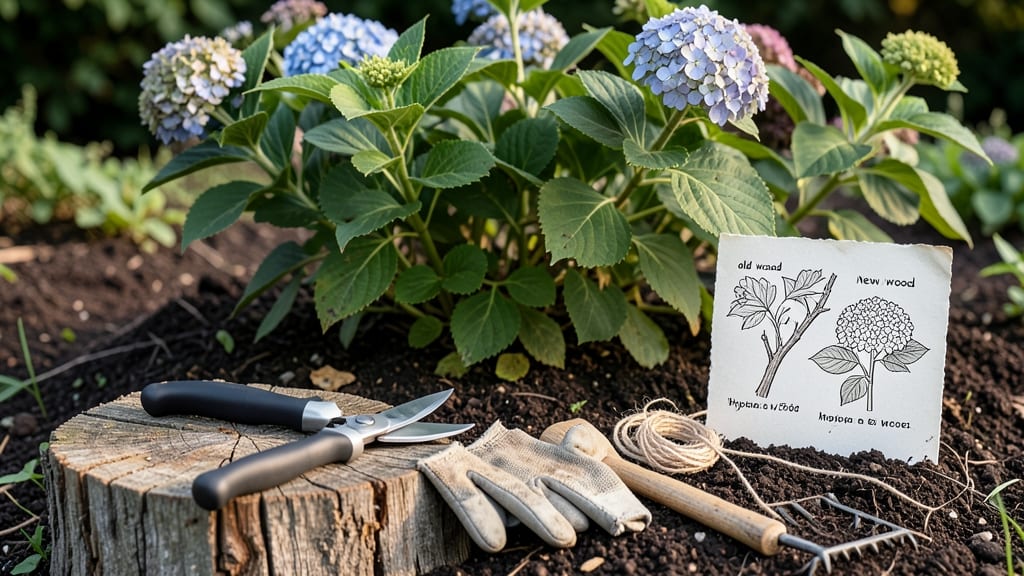
Pruning hydrangea bushes at the right time ensures perfect blooms and keeps your 🌸 thriving year after year.
Picture this: You’ve just spent hours shaping your hydrangeas, only to watch them produce half the flowers—or worse, none at all—because you pruned at the wrong moment. The timing isn’t just about cutting back; it’s about understanding your climate zone and the type of hydrangea you’re growing.
Most hydrangeas bloom on old wood, meaning they set buds in late summer or fall, so pruning too late can mean no flowers the next season. But reblooming varieties like panicle hydrangeas need a different approach—cutting them back in late winter or early spring encourages more blooms.
In this guide, I’ll walk you through the exact timing for each type, regional adjustments for USDA zones, and the tools you’ll need to prune like a pro—so you never miss another blooming season.
Best pruning times for hydrangea types by climate zone
Pruning your hydrangea bushes at the right time ensures stunning blooms year after year, but timing varies dramatically by hydrangea type and USDA climate zone. In colder zones like 3-5, late-winter pruning protects tender growth, while warmer zones 8-10 may need summer pruning to encourage reblooming.
The biggest mistake? Pruning once-blooming varieties too late or rebloomers too early.
Each hydrangea type has unique blooming habits: mophead and lacecap hydrangeas (H. macrophylla) bloom on old wood, while panicle (H. paniculata) and oakleaf (H. quercifolia) bloom on new wood.
Understanding these differences is critical—pruning at the wrong time can mean no flowers for an entire season. Let’s break down the best times by zone and variety.
| Hydrangea Type | Bloom Time | Best Pruning Time (Zones 3-5) | Best Pruning Time (Zones 6-7) | Best Pruning Time (Zones 8-10) | Key Notes |
|---|---|---|---|---|---|
| Mophead (H. macrophylla) | Late spring/early summer | Late winter (Feb-Mar) after dormancy | Early spring (Mar-Apr) before buds swell | Summer (June-July) after blooming | Prune old wood only; rebloomers can be lightly trimmed in summer |
| Lacecap (H. macrophylla) | Late spring/early summer | Late winter (Feb-Mar) | Early spring (Mar-Apr) | Summer (June-July) for rebloomers | Deadhead spent blooms to encourage new flowers |
| Panicle (H. paniculata) | Mid to late summer | Late winter/early spring (Mar) | Early spring (Mar-Apr) | Summer (June-July) for shaping | Reblooms on new wood; prune aggressively in spring |
| Oakleaf (H. quercifolia) | Late spring/early summer | Late winter (Feb-Mar) | Early spring (Mar-Apr) | Summer (June-July) for rebloomers | Prune to shape after flowering; tolerates hard pruning |
For USDA zones 3-5, focus on late-winter pruning (February-March) when your hydrangeas are still dormant. This timing protects old wood bloomers like mophead and lacecap from frost damage while giving new wood bloomers like panicle and oakleaf a head start.
In colder microclimates, wait until after the last frost—typically mid-April—to avoid shocking tender growth.
In zones 6-7, early spring pruning (March-April) works for most varieties, but reblooming hydrangeas (like 'Endless Summer' mopheads) benefit from a second pruning in summer (June-July) to extend the blooming season. Always remove dead or diseased branches first, regardless of the season, to improve air circulation and plant health.
Gardeners in zones 8-10 have the most flexibility, but timing still matters. Old wood bloomers should be pruned in late winter or early spring, while new wood bloomers can handle summer pruning to shape the plant and encourage fall blooms.
In warm climates, avoid heavy pruning in late summer, as this can stimulate tender growth vulnerable to early fall frosts.
Pro tip: Mark your calendar based on your last frost date. For zones 3-5, count back 6-8 weeks before the average last frost to schedule your pruning.
In warmer zones, align pruning with the blooming cycle—never prune after June 1st if you want flowers that season on old wood varieties.
One common mistake is pruning too aggressively, which can remove next year’s flower buds. For mophead and lacecap hydrangeas, never cut back more than 1/3 of the plant in a single
5 Critical mistakes to avoid when pruning hydrangeas
Pruning hydrangeas wrong can turn your showstopping blooms into a bare-branched disappointment. Even experienced gardeners make costly mistakes—like pruning at the wrong time or cutting the wrong branches.
The good news? Most errors are fixable if you catch them early. I’ll walk you through the top 5 pruning blunders and how to recover from them.
First, the biggest mistake? Pruning reblooming hydrangeas (like Endless Summer varieties) in late winter or early spring. These types need last year’s wood to produce flowers, so cutting back too early means no summer blooms.
Meanwhile, once-blooming types (like mophead hydrangeas) thrive with aggressive spring pruning—but get this wrong, and you’ll stifle next year’s growth.
Never prune reblooming hydrangeas before late spring—you’ll sacrifice summer flowers. For once-blooming types, prune in late winter/early spring (before buds swell). Oakleaf hydrangeas? Prune right after blooming to avoid removing next year’s flowers.
Mistake #2: Over-pruning healthy growth. Hydrangeas are resilient, but cutting back more than 1/3 of the plant at once stresses them. I once saw a gardener trim a 6-foot hydrangea down to 2 feet—it took two full seasons to recover.
Instead, remove only dead or crossing branches, and never cut into old wood unless you’re pruning a once-blooming type.
Mistake #3: Using dull or dirty pruners. Ragged cuts invite disease and slow recovery. I always sterilize my shears with rubbing alcohol and sharpen them before pruning. A clean cut heals 30% faster and looks professional. Pro tip: Wipe blades with hydrogen peroxide between cuts to prevent bacterial spread.
Mistake #4: Ignoring hydrangea types. Not all hydrangeas are created equal. Panicle hydrangeas (like Limelight) bloom on new wood, so you can prune anytime—but lacecap hydrangeas need gentle care.
I once pruned a lacecap aggressively, and it took three years to rebound. Always research your variety before reaching for the shears.
Mistake #5: Pruning after frost. Cold snaps can trick hydrangeas into thinking winter’s over. If you prune too early in USDA zones 3-6, new growth will freeze back, leaving your plant stunted.
Wait until after the last frost (or at least two weeks post-frost) to prune. For zones 7-10, early spring is safe.
Already made a pruning mistake? Don’t panic. Most hydrangeas are forgiving. For reblooming types, skip pruning this year and focus on watering and fertilizing to encourage new growth.
For once-blooming types, prune lightly in late winter next year. With patience, your hydrangea will bounce back—just like mine did after that overzealous trim! 🌸