
Pruning
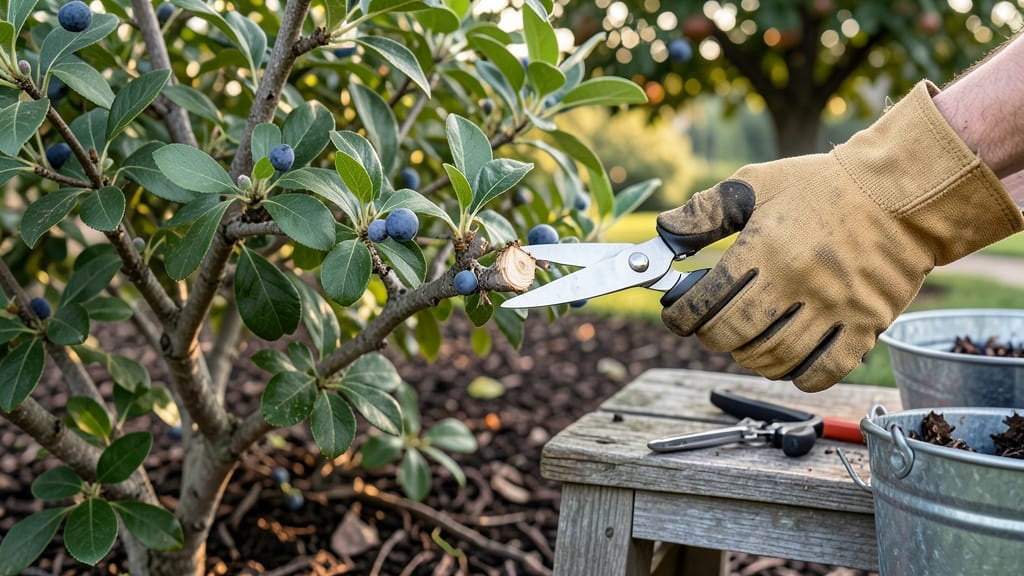
Pruning blueberries in Oregon at the right time ensures healthier bushes and a bigger harvest—but miss the window, and you risk stunted growth or even crop failure. The key is understanding your microclimate, whether you're in western Oregon's 7b zone or southern Oregon's warmer 9a.
Most gardeners prune after harvest, but that’s not always the best move in Oregon’s unpredictable spring. Late frosts can delay flowering, while early pruning might remove next year’s fruit buds. The science-backed timeline I’m about to share keeps your 🫐 bushes thriving while avoiding common pitfalls.
You’ll learn the exact months to prune based on your region, how to spot signs of over- or under-pruning, and when to adjust for Oregon’s variable weather. No more guesswork—just a clear, climate-specific schedule that maximizes your yield.
From dormant-season cuts to post-harvest shaping, this guide covers everything you need to prune like a pro. Let’s get your blueberries ready for their best season yet!
Oregon’s blueberry pruning calendar: month-by-month breakdown by variety
Oregon’s variable climate—from coastal fog to inland heat—demands a precise pruning schedule for blueberries. Highbush varieties like Duke and Bluecrop thrive with dormant-season pruning, while rabbiteye varieties need adjustments for later flowering.
Coastal areas (e.g., USDA Zone 7b) can prune 2-3 weeks earlier than inland zones (e.g., Zone 9a), where frost risks linger longer.
Timing matters most in February-March when buds swell. Prune too early, and you risk frost damage to new growth; wait too long, and you delay flowering or invite pests. Below, I’ve broken down the month-by-month tasks for each variety, accounting for Oregon’s microclimates and harvest cycles.
Key rule: Always prune on dry, sunny days to reduce disease spread. Use sterilized tools (rubbing alcohol or bleach solution) to prevent mummy berry fungus, a common Oregon threat. Now, let’s dive into the variety-specific calendar.
For highbush varieties like Duke and Bluecrop, start pruning in late February along Oregon’s coast but wait until early March inland. These varieties flower early, so cutting back too late can reduce next year’s crop.
Aim to remove 1/3 of the oldest canes each year to maintain vigor and improve air circulation—critical in Oregon’s humid summers.
Rabbiteye varieties, such as Tifblue and Premier, are more frost-tolerant and flower later. Prune these 2 weeks after the last frost date (typically March 20 for coastal areas). Their larger canes require heavier pruning—focus on removing dead wood and thinning to 6–8 strong canes per bush.
Post-harvest pruning is often overlooked but essential for Oregon’s wet winters. After harvest (typically August for highbush, September for rabbiteye), remove any suckers or weak growth to redirect energy to next year’s fruit. This also reduces fungal spores that thrive in Oregon’s damp air.
In September, focus on sanitizing tools and removing mummy berries (dried, infected fruit) to prevent mummy berry disease, which spreads rapidly in Oregon’s cool, wet conditions.
Avoid heavy pruning now—let the plant harden off for winter. By October, most pruning should be complete, except for light cleanup of dead branches.
Oregon’s microclimates mean your neighbor’s pruning schedule might not work for you. If you’re in Western Oregon (e.g., Portland), stick to the earlier coastal timeline. For Southern Oregon (e.g.,
5 Signs you’re pruning blueberries too early or too late in Oregon
Oregon’s unpredictable climate makes blueberry pruning tricky—cutting too early can shock your bushes, while waiting too long invites pests and weakens growth. Here’s how to spot the warning signs and adjust your schedule to match Oregon’s variable spring chills and summer heatwaves.
First, watch for delayed flowering. If your blueberries bloom weeks after neighboring plants, you likely pruned too late in late winter or missed the dormant season window.
Oregon’s coastal areas (like USDA Zone 7b) may need pruning as early as February, while inland zones (like Zone 9a) can wait until March or April.
🔍 Numbered Highlights: Pruning Red Flags in Oregon
- 🌱 1. No Flower Buds
- 🐜 2. Aphid Infestations
- 🌡️ 3. Heat Stress
- ❄️ 4. Frost Damage
- 🌿 5. Weak Canes
If your bush has zero flower buds by late February, you pruned too late last fall or cut back healthy canes.
Early pruning (before dormancy) attracts aphids—look for sticky residue on leaves or curled foliage.
Pruning after June stresses bushes during Oregon’s summer heatwaves, causing leaf scorch or stunted growth.
Late pruning (after April 15 in western Oregon) leaves new growth vulnerable to late frosts, turning leaves black.
Over-pruned bushes develop thin, spindly canes—a sign you removed too many productive wood last season.
Another clue? Pest outbreaks like mummy berry fungus or Japanese beetles thrive when pruning exposes fresh wounds too early. In southern Oregon’s Zone 9a, where summers heat up faster, delay pruning until after the last frost (May 1) to avoid stressing the plant.
For highbush varieties (like Duke or Bluecrop), prune in late winter to remove dead wood and shape the bush. But if you see stunted growth or small berries the next season, you likely pruned too aggressively—never cut more than 25% of the canopy in one year.
Adjust your schedule by monitoring Oregon’s microclimates: coastal areas (like Astoria) can prune in February, while inland valleys (like Bend) should wait until March or April. Use last year’s growth as your guide—prune just above the bud union where old and new wood meet.
Finally, post-harvest pruning (after August) is a common mistake—this invites disease and weakens next year’s crop. Stick to dormant-season pruning (February–April) for Oregon’s blueberries, and you’ll avoid these pitfalls entirely. 🫐