
Pruning
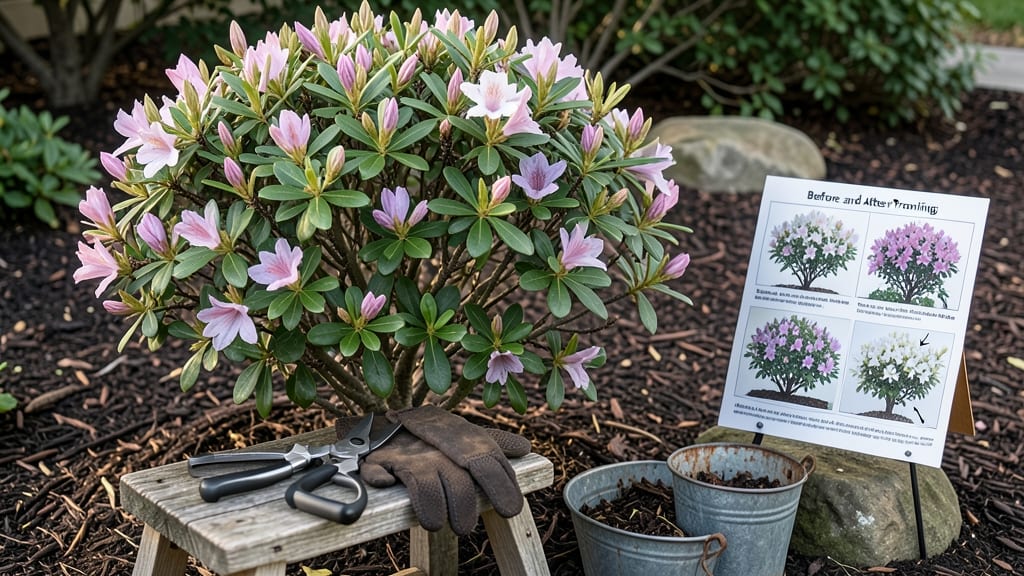
The best time to prune azalea bushes is immediately after they finish blooming in late spring or early summer—just as the flowers fade but before new buds form.
Pruning azaleas at the wrong time can mean fewer blooms next spring—or even the loss of your prized bushes. Timing matters more than technique, and your local climate zone dictates when to prune for maximum floral display.
In USDA Zone 6a (like much of the Midwest), that window is typically May to June, right after the 🌸 flowers drop. But in warmer climates, you might extend it into early summer.
The key is waiting until the blooms are gone but before the plant starts setting next year’s buds.
Below, I’ll break down the exact timing by region, how to spot the perfect pruning window, and what to avoid—like pruning in fall or during flowering—which can stunt growth or kill your azaleas entirely.
Best pruning times by USDA climate zones: when to trim for maximum azalea blooms
Pruning azaleas at the wrong time can mean fewer blooms next spring—or even the loss of your prized bushes. Timing matters more than technique, and your local USDA climate zone dictates the best window for pruning.
In zones 5-7, late winter or early spring is ideal, while zones 8-10 can prune slightly later due to milder winters. The key is to prune after blooming but before new growth begins.
Azaleas bloom on old wood, meaning last year's growth produces this year's flowers. Pruning too early removes next year's buds.
In Southern climates (zones 8-10), prune in late spring or early summer after blooms fade, while Northern climates (zones 5-7) should wait until March or April when frost risk passes. Always prune when buds are visible but before leaves emerge.
Here’s a quick comparison of the best pruning times by USDA zone to maximize blooms and plant health:
In zones 5-7, prune azaleas in late winter (February-March) to remove dead or crossing branches. This timing ensures you’re not cutting off next year’s flower buds, which form on last year’s growth.
For Southern gardens (zones 8-10), wait until late spring (May-June) after blooms have faded. The warmer climate allows for a delayed pruning window without risking frost damage.
Light shaping pruning can occur in summer (July-August) for all zones, but limit cuts to 10-15% of the plant to avoid stress. This is ideal for tidying up after spring blooms or removing a few stray branches.
Never prune in fall, as this encourages tender new growth that won’t harden off before winter, leading to frost damage.
For overgrown azaleas, a rejuvenation prune is needed every 3-5 years. In zones 5-7, do this in early spring before buds break, while zones 8-10 can prune in late spring.
Cut back 1/3 of the oldest stems to the ground to stimulate new growth. This aggressive approach should only be done when necessary, as it reduces blooms for that season.
Watch for bud swell as a signal to prune. If buds are already swollen or leaves are emerging, you’ve missed the ideal window. In Northern zones (5-7), prune when daytime temperatures consistently stay above 40°F to prevent shock.
In Southern zones (8-10), prune when nighttime temperatures stay above 50°F to encourage healthy regrowth.
After pruning, apply a 2-3 inch layer of mulch around the base to retain moisture and regulate soil temperature. Water deeply once a week for the first month post-prune to help the plant recover.
Avoid fertilizing immediately after pruning—wait until new growth appears in spring to feed with an acid-loving plant fertilizer (10-10-10 or 8-3-9 ratio).
If you live in a transition zone (7b-8a), like parts of the Southeast or Midwest, err on the side of earlier pruning (March-April). These areas experience unpredictable late frosts, so pruning too late can risk damage to new growth.
Always monitor your local frost dates and adjust your timing accordingly.
Remember, timing is everything when pruning azaleas. A well-timed prune ensures vibrant blooms next season and a healthier plant overall. Mark your calendar now—your azaleas will thank you with show-stopping flowers for years to come! 🌸
How to prune azaleas without killing next year’s flowers: step-by-step technique guide
Pruning azaleas correctly ensures vibrant blooms next season while keeping your shrubs healthy. The key is timing and technique—cut at the wrong moment, and you risk stunted growth or even plant death.
Azaleas bloom on old wood, meaning their flowers form on last year’s growth. Pruning too late or too aggressively can remove next year’s buds before they form.
Your goal is to shape the shrub and remove dead or overcrowded branches while preserving flower buds hidden among the leaves. Look for green buds along the stems—these are your clues for safe pruning.
If you miss this window, you’ll end up with sparse blooms or a leggy, unkempt plant. Let’s break down the exact steps to prune like a pro.
Step-by-Step Pruning Guide for Azaleas
- Step 1: Wait until immediately after blooming (late spring to early summer). This is when new flower buds begin forming on last year’s growth.
- Step 2: Remove dead, diseased, or crossing branches first. Cut these back to healthy wood or the base of the plant.
- Step 3: Thin out overcrowded interior branches to improve airflow. Aim to open up the center of the shrub by 20-30%.
- Step 4: Shape the shrub by trimming outer growth to maintain your desired form. Use hand pruners for small branches and loppers for thicker stems.
- Step 5: Never cut into old wood flower buds—look for green buds near the base of stems. These indicate where next year’s blooms will form.
- Step 6: For rejuvenation pruning (if your azalea is overgrown), cut back 1/3 of the oldest stems to the ground in stages over 3 years.
- Step 7: Clean up by sterilizing tools with rubbing alcohol and disposing of clippings to prevent disease.
If your azalea blooms in fall instead of spring, prune right after the flowers fade but before new growth starts. Fall-blooming varieties like Enkianthus or Rhododendron hybrids follow the same rules—just adjust the timing to their bloom cycle.
Avoid pruning in late summer or fall, as this can encourage tender new growth that won’t survive winter frosts.
One common mistake is over-pruning, which stresses the plant and reduces next year’s blooms. Limit yourself to no more than 25% of the plant’s foliage in a single session.
For young azaleas, focus on removing only dead wood and shaping lightly. Patience is key—azaleas respond well to gradual pruning over time rather than drastic cuts.
After pruning, give your azalea a deep watering to help it recover. Apply a layer of mulch around the base (but not touching the trunk) to retain moisture and regulate soil temperature.
With the right timing and technique, your azalea will reward you with lush foliage and stunning blooms for years to come. 🌸