
Pruning
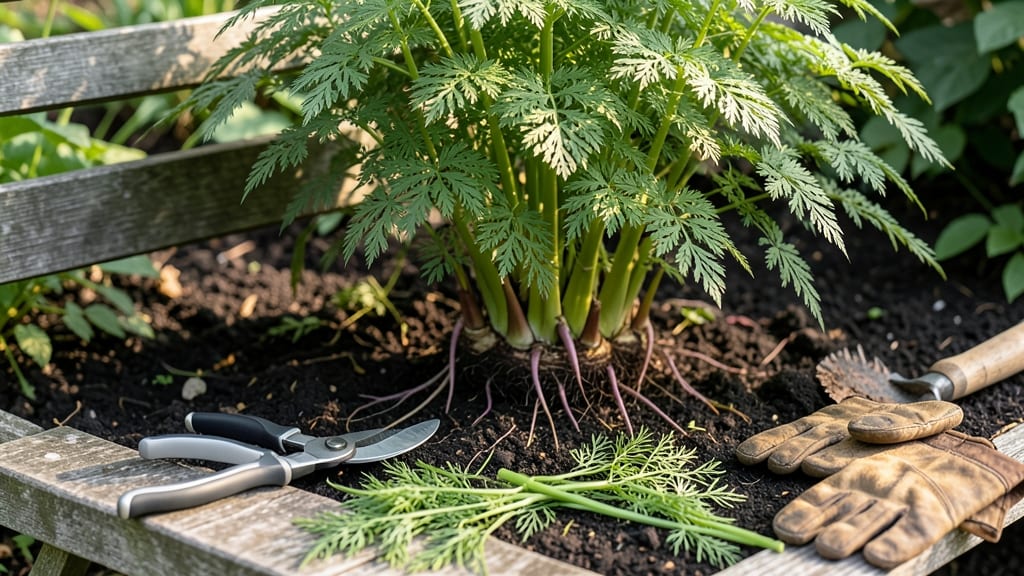
Pruning asparagus should happen in late fall or early winter after the first hard frost blackens the fronds, cutting them back to ground level. Never prune in spring, as this stresses the emerging crown.
The timing of asparagus pruning is all about letting nature signal when the plant is dormant. 🔥 Once the foliage turns brown and crispy from frost, it's your cue to clean up—those dead fronds actually drain nutrients from the crown if left standing.
I've seen gardeners accidentally prune in spring, thinking they're helping, but this disrupts the plant's energy reserves just as it's trying to send up new shoots. For established plants, aim to finish pruning by late winter before growth resumes.
This approach ensures your asparagus has a strong start in spring. The key is patience—waiting for frost guarantees you're not cutting back any living growth. I always mark my calendar for November through January as the ideal window, though exact timing depends on your local climate zone.
💡 In This Article
- Why Timing Matters in Asparagus Pruning
- Step-by-Step Asparagus Pruning Guide by Season
Why timing matters in asparagus pruning
Asparagus plants rely on a natural dormancy cycle triggered by frost, which is why late fall or early winter pruning is critical. When temperatures drop below 28°F, the plant's foliage dies back completely—turning brown and crispy—signaling the crown to conserve energy for next year's growth.
This dormancy period is when the plant stores nutrients underground, and pruning too early (before frost) removes living tissue that could still contribute to these reserves.
The dead fronds you see after frost aren't just unsightly—they're actively leaching nutrients from the crown through a process called "translocation." Studies show that leaving dead foliage standing can reduce crown vigor by up to 30% over time, as the plant continues to "feed" these non-productive stems.
Cutting back to ground level removes this drain while allowing the crown to focus its energy on root development and next spring's shoots. 🌱
Spring pruning creates a completely different scenario. When you cut back asparagus ferns in spring, you're removing the plant's primary food producers—those fronds are performing photosynthesis to fuel the crown's growth.
The crown needs this energy to develop strong shoots, and removing it prematurely forces the plant into survival mode, often resulting in thinner spears and weaker overall growth. Think of it like cutting off a tree's branches before it's had a chance to photosynthesize for the season.
Another key factor is the crown's sensitivity to disturbance. Asparagus crowns are delicate, and any unnecessary stress—like spring pruning—can lead to crown rot or reduced yield. The plant's natural rhythm is to build reserves in fall/winter, then use them in spring.
Disrupting this cycle is like trying to build a house before you've laid the foundation—it just doesn't work. That's why professional growers wait until all foliage is completely brown and crispy before touching their pruners.
Your local climate zone plays a huge role in timing. In Zone 5 (where winters are harsh), you might prune as early as November, while Zone 8 gardeners may wait until January.
The rule of thumb is to prune after the first hard frost that blackens the fronds completely—this guarantees dormancy. I've seen gardeners in milder climates accidentally prune too early when fronds are still partially green, which stresses the plant unnecessarily.
One common misconception is that pruning helps "clean up" the garden. While it does improve appearance, the real benefit is biological: removing dead fronds prevents disease spores from overwintering in decaying plant matter.
This is particularly important for asparagus rust, a fungal disease that can devastate yields. Proper timing turns a simple cleanup into a disease prevention strategy. 🌿