
Pruning
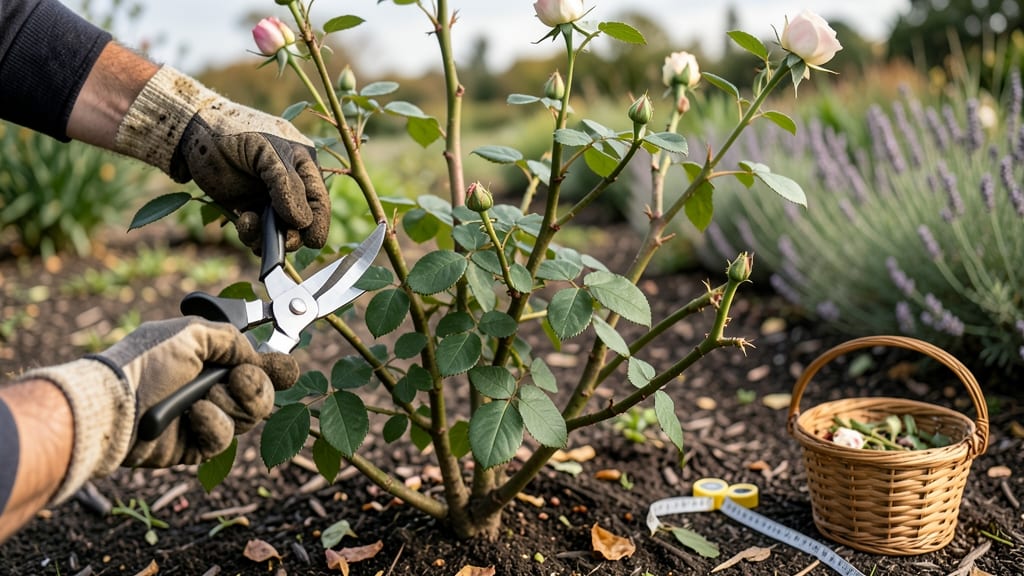
Pruning roses at the wrong spot ruins their blooms before they even start. ✂️ I’ve watched perfectly healthy bushes struggle after cutting too far back—only to realize I missed the key: always prune just above an outward-facing bud on the stem.
This simple rule transforms leggy, sparse bushes into lush, flowering powerhouses.
The best time to prune depends on your climate: in colder zones, wait until late winter when the plant is dormant, while milder areas can prune in early spring.
Use sharp bypass pruners to make clean cuts at a 45-degree angle, about ¼ inch above the bud. This small detail prevents water from pooling and rotting the stem.
When done right, you’ll see stronger canes, more buds, and longer bloom seasons. The improved airflow reduces fungal diseases, and the plant focuses energy on producing flowers instead of repairing damaged growth.
My roses now bloom from June through frost, and the thorns are easier to manage too.
This method works for hybrid teas, floribundas, and shrub roses alike—just adjust the pruning intensity based on the variety. For example, climbers need less aggressive pruning than bush roses. Grab your pruners, and let’s get those roses thriving!
📚 In This Guide
- What you need
- Instructions
- Tips and common mistakes
- Wrapping up and next steps
What you need
- ● Pruning shears (bypass pruners): Sharp, clean, and with a 5- to 8-inch blade (1 pair). Avoid dull tools—they crush stems instead of making clean cuts!
- ● Loppers: For thicker stems (½-inch diameter or larger) (1 pair). Look for bypass-style loppers for precision.
- ● Hand pruners (secateurs): For smaller cuts and detail work (1 pair). Ergonomic handles reduce hand fatigue.
- ● Garden gloves: Durable, cut-resistant (e.g., leather or synthetic) (1 pair). Protects against thorns and blisters.
- ● Disinfectant (rubbing alcohol or bleach solution): 70% isopropyl alcohol or 1 part bleach to 9 parts water (small bottle). Sterilizes tools between cuts to prevent disease.
- ● Rake or broom: For clearing debris (1). Helps keep the work area tidy post-pruning.
- ● Compost bin or bag: For disposing of pruned material (1). Avoid composting diseased stems—toss those in the trash.
- ● Pruning saw: For very thick, woody stems (1). Only needed if your roses have stubborn, mature growth.
- ● Plant tie or twine: To secure newly pruned branches (small roll). Useful for climbing roses.
- ● Hose with spray nozzle: For rinsing tools and cleaning sap (1). Makes cleanup a breeze.
- ○ Marking spray (optional): Bright paint or spray to mark cuts (small bottle). Helps track pruning progress if you’re working in stages.
Step-by-Step guide to pruning roses by bud stage
Pruning roses right means cutting back to the right bud—here's how to do it by season and growth stage.
✂️ Step 1: Identify Buds and Prune at the Right Angle
Look for healthy, outward-facing buds—these are your pruning targets. Each bud has a small bump and a tiny leaf or thorn just above it. Make your cut just above the bud at a 45-degree angle, about ¼ inch above it. This angle keeps water from pooling on the cut and protects the bud from disease.
I always prune at this angle because it encourages new growth to emerge upward rather than sideways. If you cut straight across, the bud will struggle to push through the flat surface. For thicker stems, make the cut slightly deeper but still angled—this prevents the cut from sealing over too quickly.
🌿 Step 2: Prune Spring-Flowering Roses to the Strongest Bud
For spring-blooming roses like hybrid teas or floribundas, cut back to the outermost, strongest bud facing outward from the center of the bush. This ensures new growth emerges outward, creating a fuller, more open plant structure. Avoid cutting to inward-facing buds—they’ll grow toward the center and create a dense, shaded interior.
Real talk: If you’re unsure which bud is strongest, look for the one with the most vibrant green color and firm texture. Weak buds will feel soft or have brown edges. I usually remove any buds below the cut—these won’t produce flowers and just take energy from the plant.
☀️ Step 3: Summer Pruning for Repeat Bloomers
For repeat-blooming roses, prune after each flush of flowers by cutting back to the first five-leaflet leaf below the faded bloom. This encourages continuous flowering. Always make your cut just above a bud, never in the middle of a stem. If you’re unsure, count leaves upward from the base of the stem—five leaflets is your target.
Here’s the thing—summer pruning is gentler. You’re not reshaping the entire bush; you’re just maintaining it. I avoid heavy pruning in summer because it stresses the plant when it’s already working hard to produce flowers. A light trim keeps things tidy without sacrificing blooms.
⏰ Step 4: Late-Winter Pruning for Structure and Shape
In late winter, before new growth starts, prune to one-third to one-half of the plant’s height. Cut back to an outward-facing bud on older wood to encourage new growth in the right direction. For climbing roses, prune to 2-3 buds from the last bloom to maintain their climbing habit.
This is the moment that matters: Remove any dead, diseased, or crossing branches first. Dead wood is easy to spot—it’s brown, brittle, and doesn’t bend. Crossing branches compete for sunlight and air circulation, so they’re the first to go. I always step back and visualize the shape I want before making final cuts.
🌱 Step 5: Clean Up and Sanitize Tools
After pruning, rake up all clippings and dispose of them in the trash—not the compost. Diseased branches can spread pathogens, and rose canes don’t break down quickly. Sterilize your pruners between cuts with rubbing alcohol or a bleach solution (1 part bleach to 9 parts water) to prevent cross-contamination.
I know it seems tedious, but this step prevents next year’s problems. A few minutes of cleanup now saves hours of struggling with sickly roses later. Store your pruners in a dry place, and sharpen the blades before the next pruning session—dull blades tear stems, inviting disease.
Tips & tricks for pruning roses by bud stage
These pro-level insights will help you prune your roses like a seasoned gardener—without the guesswork.
Bud Identification: In Step 1, when identifying buds, look for the "eyes" of the rose—the small, plump swellings where leaves meet the stem. These are your pruning targets. I've learned that buds with a slight sheen and firm texture are the healthiest. Avoid buds with cracks or discoloration, as these won't produce strong growth. The ¼-inch clearance above the bud is crucial—this tiny space prevents water from sitting on the cut and causing rot.
Seasonal Pruning Strategy: The timing in Step 4 matters more than most gardeners realize. Late winter pruning (before buds swell) is about structure, while summer pruning (Step 3) is about maintenance. I've found that spring-bloomers (Step 2) need more aggressive pruning—they reward you with dramatic blooms if you cut back to that outermost bud. For repeat bloomers, remember the five-leaflet rule: this precise count ensures you're not over-pruning between bloom cycles.
Tool Maintenance: Step 5 isn't just about cleanup—it's about prevention. I've ruined multiple pruning sessions by forgetting to sterilize my tools between cuts. That 1:9 bleach solution (or rubbing alcohol) is your secret weapon against fungal spread. And here's what nobody tells you: store your pruners with a drop of oil on the blades. This prevents rust and keeps them sharp longer than factory settings alone.
Visualization Technique: Before making any cuts in Step 4, step back and visualize your rose bush as a sculpture. Imagine the "bones" of the plant—the main canes—and how they should radiate outward. This mental exercise helps you see crossing branches you might otherwise miss. I've saved countless roses from becoming tangled messes by taking this 30-second pause before cutting.
Pro Tips for How Far Back Do You Prune Rose Bushes
- These pro-level insights will help you prune your roses like a seasoned gardener—without the guesswork.
- Bud Identification: In Step 1, when identifying buds, look for the "eyes" of the rose—the small, plump swellings where leaves meet the stem.
- Seasonal Pruning Strategy: The timing in Step 4 matters more than most gardeners realize.
Frequently asked questions
Got questions about pruning rose bushes? You’re not alone! Here are some of the most common concerns—plus clear, no-fuss answers to help you prune like a pro.
How far back should I cut when pruning a rose bush?
For most roses, aim to cut back to an outward-facing bud (about ¼ to ⅓ of the stem’s length from the base). This encourages bushier growth and better airflow. Avoid cutting too close to the ground—leave at least 3–5 healthy buds per stem to promote new blooms.
Can I prune roses too late in the season?
Timing matters! Late pruning (after late summer or early fall) can stimulate tender new growth that won’t harden off before winter. If you must prune late, do it 6–8 weeks before frost and avoid heavy cuts. Focus on light shaping or deadwood removal instead.
Should I prune roses in winter?
Winter pruning is a no-go for most roses—especially in cold climates. Dormant pruning (late winter/early spring) is ideal, but never prune when temps drop below 40°F (4°C). If your roses are bare, wait until new growth appears (usually February–March in most zones).
What if I accidentally prune too much?
Don’t panic! If you’ve over-pruned, your rose bush may look sad at first, but it’ll bounce back. Focus on watering deeply and fertilizing with a balanced rose food (like 10-10-10). New growth should appear in 4–6 weeks. For severe cuts, consider a light top dressing of compost to support recovery.
Can I prune roses in stages instead of all at once?
Staged pruning is a smart strategy, especially for large bushes. Start with 1/3 of the cuts in early spring, then do a second light pruning after the first flush of blooms (late spring). This reduces stress and keeps your roses blooming longer. Just avoid heavy cuts after mid-summer.
Wrapping up and next steps
Pruning your rose bushes the right way—knowing how far back to trim and when to do it—can transform your garden into a lush, blooming paradise. 🌹 Whether you’re cutting back to outward-facing buds in late winter or shaping for summer growth, timing and technique matter most.
With the right tools, patience, and seasonal know-how, you’ll encourage healthier stems, more vibrant blooms, and fewer pests.
Ready to roll up your sleeves? Start small: Pick one bush, follow the steps, and observe the difference over the next growing season. Before you know it, your roses will be the envy of the neighborhood—and you’ll be the proud gardener behind them!