
Pruning
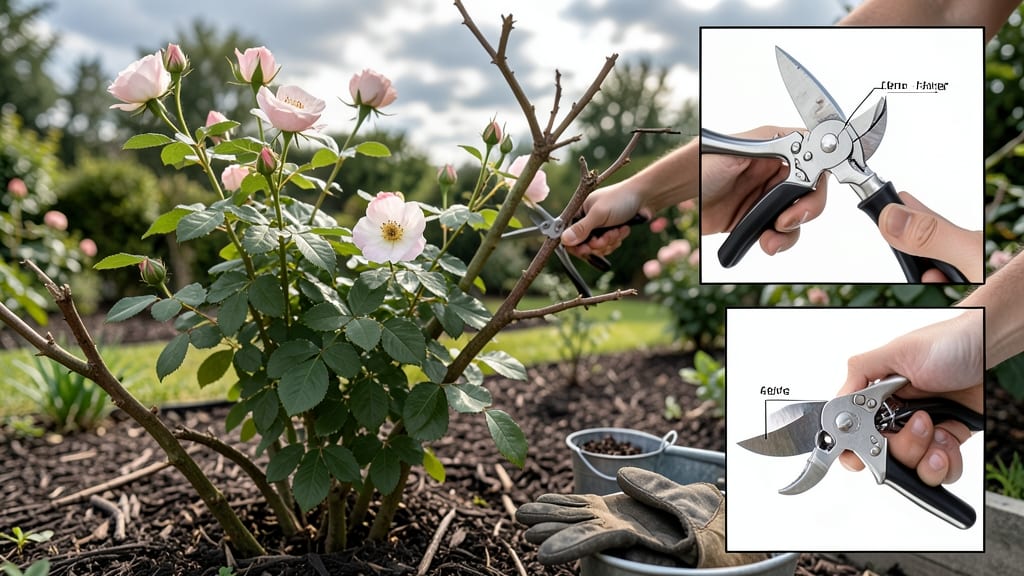
A bypass pruner is a precision gardening tool that makes clean cuts by using two curved blades that glide past each other, preventing crushed stems and preserving plant health during delicate pruning tasks.
A bypass pruner works by creating a scissor-like cutting motion where the blades pass each other smoothly, unlike anvil pruners that crush stems against a flat surface. 🔥 This design minimizes damage to plant tissues, reducing sap flow disruption and promoting faster healing.
I always recommend using bypass pruners for tasks like trimming roses or harvesting herbs, where precision matters most.
For heavier branches or woody stems, anvil pruners might be more appropriate, but for most gardening and landscaping needs—especially with tender plants—bypass pruners are the gold standard. Their sharpness and gentle cutting action help prevent disease entry points, making them ideal for maintaining plant vitality over time.
💡 In This Article
- How Bypass Pruners Deliver Cleaner Cuts Than Anvil Pruners
- Best Uses for Bypass Pruners in Gardening and Landscaping
How bypass pruners deliver cleaner cuts than anvil pruners
The key difference between bypass pruners and anvil pruners lies in their blade mechanics. A bypass pruner features two curved blades that slide past each other like scissors, creating a clean, precise cut that mimics a razor's edge.
When you apply pressure, the top blade glides over the bottom blade, severing stems or branches with minimal compression of plant tissues. This design maintains the integrity of the plant's vascular system, preventing crushed cells that can block sap flow and invite disease pathogens.
In contrast, anvil pruners use a single sharp blade that crushes the stem against a flat anvil surface. This crushing action can damage up to 30-40% more plant tissue than bypass cuts, which is why gardeners notice slower healing and higher susceptibility to infections in plants pruned with anvil tools.
The bypass motion also allows for better control over cutting angles, which is critical when shaping plants like roses or fruit trees where precision matters for growth patterns and fruit production.
Consider how sap behaves in each case: with bypass pruners, the clean cut seals almost immediately, reducing sap exposure to air and pathogens.
Anvil pruners often leave jagged edges that ooze sap for hours, creating sticky messes and inviting fungal infections. 🌿 This is why professional horticulturists recommend bypass pruners for all tasks involving live plant material, especially when working with tender stems like those on herbs or flowering plants where tissue damage can be catastrophic.
Another advantage is the reduced risk of tearing. Bypass blades handle branches up to 3/8 inch (9.5mm) in diameter with ease, while thicker branches require specialized bypass models with reinforced construction.
The smooth cutting action also preserves the plant's natural growth hormones that might be disrupted by the crushing force of anvil pruners. For example, when harvesting basil or other culinary herbs, the clean cut from a bypass pruner ensures the stems regrow more vigorously than those cut with anvil tools.
For maintenance enthusiasts, bypass pruners require slightly more care due to their precision engineering. The blades need regular oiling (every 5-10 cuts) to prevent rust and maintain smooth operation, while anvil pruners can handle dirt and sap buildup better.
However, this extra care pays off in healthier plants and longer tool life. The investment in quality bypass pruners often saves money in the long run by reducing plant losses from improper cuts.
Visualize the difference: when you make a cut with a bypass pruner, the stem falls away cleanly with minimal resistance.
With anvil pruners, you'll often feel a grinding sensation as the blade crushes through the stem fibers. 🌱 This physical feedback alone should convince any gardener that bypass pruners are the superior choice for delicate pruning tasks where plant health is paramount.