
Pruning
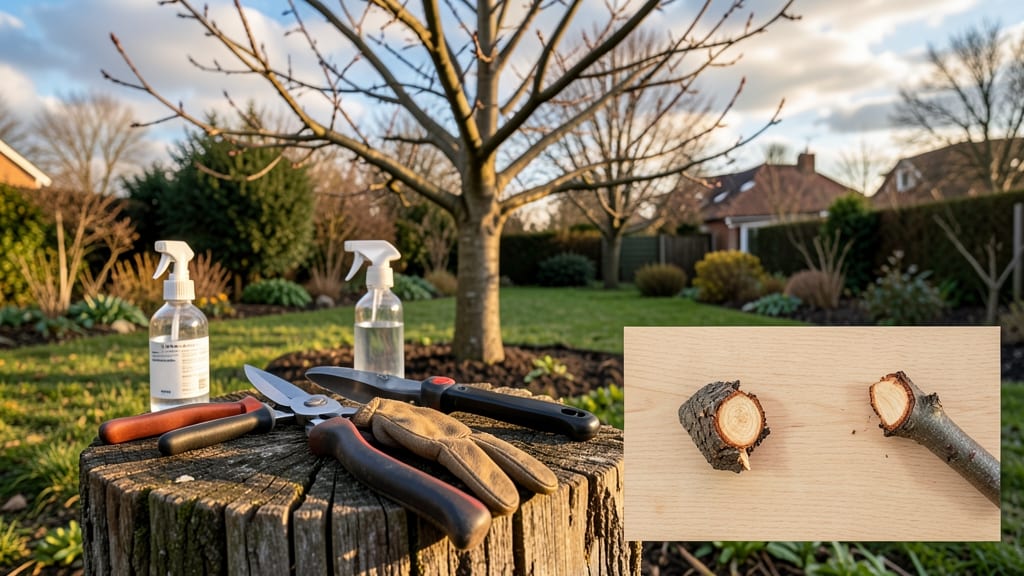
Your peach tree might look like a tangled mess, but badly pruned peach trees can bounce back with the right approach. 🌱 I’ve nursed back more than my share of these neglected giants, and the secret isn’t drastic cuts—it’s strategic precision.
The key is identifying where the damage started and working with the tree’s natural shape, not against it.
Most over-pruned peach trees suffer from three common mistakes: cutting too late in the season, removing too many branches at once, or hacking into the trunk. The first step is assessing the damage—look for stubby, uneven cuts, dead branches, and signs of stress like sparse foliage or weak growth.
A healthy peach tree should have an open center with sunlight reaching the core.
With just three well-placed cuts, you can restore balance and encourage new growth. Focus on opening the canopy to improve airflow, removing water sprouts (those skinny vertical shoots), and thinning out crowded branches. By late winter or early spring, you’ll see fresh buds pushing through, signaling the tree’s revival.
This method works year-round, but timing matters—late winter is ideal for major corrections, while summer pruning keeps the tree productive. The payoff? A tree that flowers better, fruits more heavily, and stays disease-resistant for seasons to come. Let’s get those branches back in shape!
The hidden triggers behind poor pruning
Pruning a peach tree might seem straightforward, but even small mistakes can lead to a weakened, unproductive, or even dying tree. Understanding the why behind poorly pruned peach trees is the first step toward fixing it.
Below, we break down the most common causes—backed by science—and explain how they sabotage your tree’s health.
Peach trees are delicate when it comes to cuts. Removing too much foliage or branches at once (typically more than 25% of the canopy) shocks the tree, leaving it vulnerable to stress, disease, and poor fruit production.
Why it happens:
- Photosynthesis disruption: Leaves are the tree’s solar panels, converting sunlight into energy. Over-pruning reduces the tree’s ability to produce food, weakening its roots, trunk, and branches.
- Hormonal imbalance: Peach trees rely on a balance of auxins (growth hormones) and cytokinins (cell division regulators). Aggressive pruning disrupts this balance, leading to stunted growth or excessive suckering (unwanted shoots).
- Exposure to elements: A suddenly bare tree is more susceptible to sunburn (especially on young bark) and winter damage because it lacks protective foliage.
💡 Pro Tip: Follow the "Rule of Thirds"—never remove more than one-third of the canopy in a single pruning session. Spread heavy cuts over 2-3 years for gradual recovery.
Peach trees have a specific pruning window—cutting outside of it can invite disease, pests, or even death. The worst offenders?
Why it happens:
| Bad Timing | Consequence | Scientific Reason |
|---|---|---|
| Late winter/early spring (before buds swell) | Increased risk of silver leaf disease or bacterial canker. | Cold, damp conditions allow pathogens to enter fresh cuts. The tree’s natural defenses (like callus formation) are still dormant. |
| Summer pruning (after June) | Stunted growth, poor fruit set, and fire blight susceptibility. | Peach trees rely on summer growth to harden off for winter. Late cuts trigger excessive bleeding (sap loss) and stress. |
| Fall pruning (after leaf drop) | Weakened root systems and winter dieback. | The tree redirects energy to root growth in fall. Pruning disrupts this, leaving roots starved for winter storage. |
✨ Best Practice: Prune peach trees dormant season (late winter/early spring, before buds break) or lightly in late summer (after harvest) to encourage next year’s blooms.
A sloppy cut doesn’t just look bad—it’s an open invitation for disease and decay. Peach trees, in particular, are prone to bacterial and fungal infections through poor pruning wounds.
Why it happens:
- Crushed or torn bark: Using dull shears or saws creates jagged edges that slow callus formation (the tree’s natural healing tissue). This leaves gaps for Agrobacterium (crown gall) or Pseudomonas syringae (bacterial canker) to invade.
- Stub cuts (notching): Leaving a small "stub" (a short branch left after cutting) creates a perfect moisture trap, accelerating rot.
- Over-thinning branches: Removing too many small branches at once disrupts the tree’s vascular flow, causing water stress and nutrient deficiency.
🔪 Correct Technique:
- Use sharp, clean tools (bypass pruners for small branches, a pruning saw for thick ones).
- Make cuts at a 45° angle, just outside the branch collar (the swollen area where the branch meets the trunk).
- Avoid painting wounds—peach trees don’t need sealants; proper cuts heal faster on their own.
Pruning a already-stressed or diseased peach tree without addressing the root cause is like putting a bandage on a bullet wound. The tree may look better temporarily, but the damage persists.
Why it happens:
- Disease spread: Pruning infected branches (e.g., peach leaf curl or powdery mildew) without sterilizing tools or removing debris can spread spores to healthy parts of the tree.
- Nutrient depletion: Trees under nutritional stress (e.g., zinc or nitrogen deficiency) can’t heal properly. Pruning them worsens the cycle.
- Pest attraction: Weak, poorly pruned trees attract borers, aphids, and scale insects, which further weaken the tree.
🌡️ First Aid Steps:
- Inspect the tree for cankers, oozing sap, or discolored leaves before pruning.
- Sterilize tools with 70% rubbing alcohol or a 10% bleach solution between cuts.
- Test soil for pH and nutrient levels—peach trees thrive in slightly acidic soil (6.0–6.5) with ample nitrogen, phosphorus, and potassium.
🚨 Key Takeaway: A badly pruned peach tree isn’t just a cosmetic issue—it’s a cascade of avoidable mistakes. By understanding these triggers, you can prune with precision and restore your tree’s vigor year-round.
Revive Your Tree with Precision Pruning
A badly pruned peach tree can feel like a lost cause, but with the right techniques, you can restore its health and productivity. The key lies in understanding the root causes of poor pruning and applying targeted fixes.
Below, we’ll break down common issues and provide step-by-step solutions to get your tree back on track—plus tips to keep it thriving long-term.
If your peach tree looks skeletal or is producing fewer fruits, it may have been over-pruned. This stresses the tree and slows recovery.
Fix:
- 🍳 Assess the Damage – Look for thin, bare branches or excessive dieback. Focus on reviving the main scaffold branches (the thick, sturdy limbs that form the tree’s structure).
- 👨🍳 Apply a Growth Stimulant – Use a diluted solution of seaweed extract (1 tsp per gallon of water) or a rooting hormone on fresh cuts to encourage new shoots.
- 🥘 Prune Strategically – Avoid cutting back further. Instead, make small, angled cuts just above outward-facing buds to promote healthy regrowth.
- ⏰ Be Patient – New growth may take 4–6 weeks. Monitor for signs of recovery, like fresh green leaves or tiny buds.
💡 Pro Tip: If the tree is severely weakened, consider fertigation (dissolving fertilizer in irrigation water) to boost recovery.
Jagged, torn, or overly large cuts create entry points for bacterial infections (like Xylella fastidiosa) or fungal diseases, which can kill branches.
Fix:
- 🔪 Use the Right Tools – Always prune with sharp, sterilized pruners (clean blades with rubbing alcohol between cuts).
- ✂️ Make Clean Cuts –
- For small branches (<½ inch): Cut just outside the branch collar (the swollen area where the branch meets the trunk).
- For larger branches: Use the three-cut method to avoid tearing bark.
- 🌡️ Seal Large Wounds (If Needed) – For cuts over ½ inch, apply pruning sealant (like Tanglefoot Tree Wound Pruning Seal) to protect against pathogens.
🔥 Warning: Never paint or seal small cuts—let them callus naturally for better healing.
Pruning at the wrong time (e.g., late winter or during active fruit production) can shock the tree, leading to weak regrowth or poor fruiting.
Fix:
- 📅 Prune at the Right Time –
- Dormant Season (Late Winter/Early Spring): Best for structural pruning (removing dead, crossing, or weak branches).
- Post-Harvest (Summer): Light pruning to thin out fruit clusters and improve air circulation.
- 🎯 Avoid Heavy Pruning in Summer – This can stress the tree and reduce next year’s fruit set.
- ✨ Encourage Flowering – If your tree isn’t blooming, prune lightly in late winter to stimulate new flower buds.
💡 Pro Tip: If you missed the dormant season, wait until spring—never prune in fall, as this invites disease.
Once your tree is recovering, follow these long-term care tips to avoid future pruning disasters:
- 📊 Annual Light Pruning – Remove dead, diseased, or crossing branches every year during dormancy. - 💪 Thin Fruit Clusters – After flowering, thin fruits to 6–8 inches apart to prevent overburdening the tree. - 🍎 Monitor for Pests – Watch for peach tree borers or aphids, which weaken branches.
Treat early with neem oil or insecticidal soap. - 🌡️ Water Deeply but Infrequently – Peach trees need 1–2 inches of water per week, but avoid soggy soil to prevent root rot.
Final Thought: A badly pruned peach tree isn’t a death sentence—it’s a chance to reset and rebuild. With precision cuts, proper timing, and consistent care, your tree can bounce back stronger than ever. 🌟
Frequently asked questions
How do I know if my peach tree has been over-pruned?
Look for these red flags: sparse foliage, bare branches, weak growth, or a skeletal appearance with few leaves. A healthy peach tree should have a balanced canopy with sunlight reaching the center. If you see thin, leggy branches or fewer than 3-4 main scaffold limbs, your tree likely needs recovery pruning.
Can I fix a peach tree that was pruned at the wrong time of year?
Yes, but act carefully. If pruned in summer or fall, wait until late winter/early spring (before buds swell) to make corrective cuts. Avoid heavy pruning now—focus on removing only dead/diseased branches and thinning crowded areas to reduce stress. The tree can recover, but patience is key!
What should I do if my peach tree has jagged cuts from poor pruning?
Clean up the damage immediately! Use sterilized pruners to make fresh cuts just outside the branch collar (the swollen area where branches meet the trunk). For cuts over ½ inch, apply pruning sealant to prevent disease. Small wounds (¼ inch) should heal naturally—never paint them!
Will my peach tree ever produce fruit again after bad pruning?
With proper care, your tree can rebound in 1-2 years. Focus on restoring balance, removing water sprouts, and encouraging new growth with light pruning. Apply a balanced fertilizer (10-10-10) in early spring to support recovery. Young trees may take longer, but mature trees often bounce back surprisingly fast!
How can I prevent future pruning mistakes with my peach tree?
Follow these 3 golden rules:
- Prune only during dormancy (late winter),
- Never remove more than 1/3 of the canopy at once, and
- Always use sharp, clean tools. Keep a pruning journal to track cuts and timing—this helps avoid repeating mistakes!