
Pruning
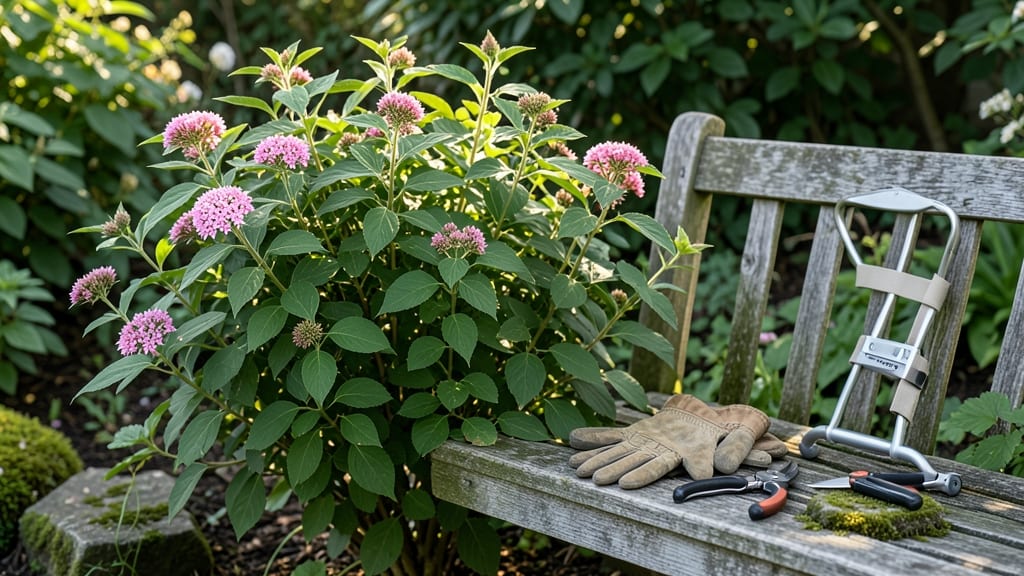
Pruning Spiraea Anthony Waterer involves trimming old canes by one-third each early spring to stimulate fresh growth, while continuously removing dead or weak branches throughout the year for healthier blooms and stronger stems. Late-season cuts should be minimal to protect the plant's fall foliage.
This shrub thrives on strategic pruning because its blooms emerge on new wood, meaning last year's growth produces this year's flowers. 🌸 The early spring cut (before buds swell) removes up to two-thirds of the previous year's stems, redirecting energy to younger, more vigorous branches.
What many gardeners overlook is that summer pruning should focus only on shaping and deadheading—never heavy cuts—since the plant relies on existing stems for its signature late-season color display.
For best results, use clean, sharp pruners to make cuts at a 45° angle just above a leaf node, which prevents water from pooling and reduces disease risk. After pruning, a light application of balanced fertilizer encourages robust regrowth, while consistent moisture helps the plant recover faster.
The key is patience—avoid over-pruning, as this can stress the shrub and reduce next year's flower production.
💡 In This Article
- When and Why to Prune Spiraea Anthony Waterer for Optimal Growth
- Step-by-Step Guide to Pruning Spiraea Anthony Waterer by Season
When and why to prune Spiraea Anthony Waterer for optimal growth
The timing of pruning Spiraea Anthony Waterer is all about aligning with its natural growth cycle. This shrub blooms on new wood, meaning last year's stems produce this year's flowers.
When you prune in early spring—right as buds begin to swell but before they break—you're removing up to two-thirds of the previous year's growth.
This forces the plant to redirect its energy into fresh, younger branches that will produce more abundant and vibrant blooms later in the season. 🌿 The key is cutting before the sap starts flowing heavily, which typically occurs in late winter or very early spring depending on your climate zone.
Here's what's happening scientifically: When you remove old canes, you're essentially giving the plant a "reset" signal. The plant perceives the loss of stems as a form of stress, which triggers hormonal changes that promote the growth of new shoots.
These new canes will be more vigorous because they're younger and have access to the plant's full energy reserves. Studies show that properly timed pruning can increase flower production by up to 30% compared to unpruned plants.
The plant also benefits from improved air circulation, which reduces the risk of fungal diseases like powdery mildew that often plague dense shrubs.
What most gardeners don't realize is that summer pruning should be minimal and focused only on maintenance. After the initial spring cut, the plant has already committed to its flowering cycle for the year.
Heavy summer pruning can remove potential flower buds and weaken the stems that contribute to the shrub's stunning fall foliage. The Anthony Waterer variety is particularly prized for its deep pink to crimson fall color, which develops on the current year's growth.
By avoiding heavy cuts after summer, you preserve these stems and ensure a spectacular autumn display. 🍁
There's also a structural benefit to proper pruning. Older canes become woody and less flexible, making them more susceptible to breaking in storms. By regularly removing the oldest stems (typically those larger than 1/2 inch in diameter), you're encouraging a more youthful, resilient plant structure.
This is especially important for Spiraea Anthony Waterer, which can grow up to 6 feet tall and wide if left unchecked. The right pruning approach keeps the plant compact while maximizing its flowering potential and longevity.
Seasonal variations play a role too. In warmer climates (zones 6-9), you might start pruning as early as February, while in colder regions (zones 3-5), it's better to wait until March or even April.
The rule of thumb is to prune when you can see buds swelling but before they've broken open. At this stage, the plant is preparing for growth but hasn't yet expended energy on new shoots.
This gives you the best window to stimulate fresh growth without causing stress. Pay attention to your local frost dates—pruning too early in cold climates can leave the plant vulnerable to late frosts.
One common mistake is pruning too late in the season. If you wait until summer or fall, you risk removing flower buds that have already formed or cutting back stems that contribute to the plant's fall color.
The Anthony Waterer's signature blooms appear in late spring to early summer, followed by its stunning autumn foliage. By understanding this growth pattern, you can time your pruning to preserve both the spring flowers and fall color while still encouraging vigorous new growth for next year. 🌸