
Pruning
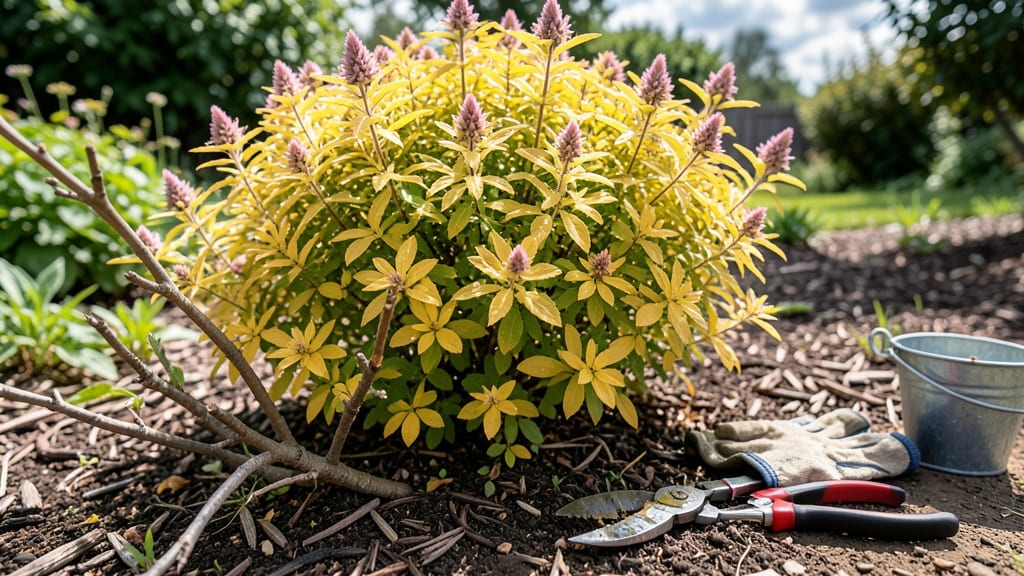
Goldmound spirea pruning transforms a scraggly shrub into a golden cloud of blooms that lasts all summer. ✨ I’ve pruned mine for years, and the secret isn’t just cutting back—it’s timing, technique, and a little patience that turns weak canes into sturdy, bushy growth.
The best time to prune is late winter or early spring, before new growth starts. Grab your pruners and focus on removing dead, crossing, or weak branches first—this opens up the center for sunlight and air. Then, cut back the remaining stems by one-third to encourage dense, vibrant foliage.
By mid-summer, you’ll see lush, golden foliage that stays disease-resistant and long-blooming. The key is consistency: prune lightly after flowering to maintain shape, and avoid heavy cuts in fall, which can stress the plant. Works for both new and established Goldmound spireas—just adjust the intensity.
Here’s how to do it right without sacrificing next year’s blooms!
📚 In This Guide
- What you need
- Instructions
- Tips and common mistakes
- Wrapping up and next steps
What you need
- ● Pruning shears: Sharp, bypass-style shears (4-6 inches) for clean cuts. Disinfect with rubbing alcohol before and after use.
- ● Lopping shears: For thicker canes (over ½ inch in diameter). Look for ergonomic handles for comfort during extended use.
- ● Gloves: Heavy-duty gardening gloves (waterproof, cut-resistant material) to protect hands from thorns and debris.
- ○ Pruning saw: Optional but helpful for very thick canes (rare in Goldmound Spirea but useful for older plants).
- ● Rag or paper towels: For wiping down tools and cleaning sap off blades.
- ● Disinfectant: Rubbing alcohol (70% isopropyl) or a gardening-specific disinfectant to prevent disease spread.
- ○ Marking twine or flags: (Optional but handy) To tag canes for selective pruning if needed.
- ● Hand pruners with ratcheting mechanism: For easier cutting on stubborn branches.
- ● Knee pads: If you’re working on the ground or have mobility concerns.
- ● Plant tie or zip ties: To secure newly pruned canes if they’re wiggly or weak.
- ● Garden hose or bucket: For rinsing off tools and cleaning up sap.
- ● Safety glasses: To protect eyes from debris, especially when sawing.
- ● Choose the right time: Prune late winter or early spring (before new growth) for best results.
- ● Check the weather: Avoid pruning on windy or rainy days to prevent stress on the plant.
- ● Assess plant health: Look for dead, diseased, or crossing branches to prioritize removal.
- ● Have a cleanup plan: Dispose of pruned branches away from the garden to prevent pests/diseases.
Step-by-Step guide to pruning Goldmound spirea for year-round health
Here's the method I've used for years to keep Goldmound spirea blooming reliably and looking its best through all seasons.
✂️ Step 1: Prune Immediately After First Spring Blooms
Goldmound spirea blooms on old wood, so the key is to cut back right after the first flush of flowers fades. I wait until about 75% of blooms have dropped—usually in late spring or early summer. Grab your pruners and make clean cuts just above a set of healthy buds or leaf nodes. This encourages the plant to produce fresh, vigorous growth for next year's blooms.
Don't cut into old wood—you'll see it as the darker, thicker stems. Aim for cutting back 1/3 of the oldest canes each year to maintain the plant's shape and health. I like to remove any crossing or rubbing branches first, as these create weak points where diseases can enter. Always prune at a 45-degree angle just above a bud to promote outward growth rather than inward.
✂️ Step 2: Thin Out Overcrowded Canes Mid-Summer
Around mid-July, I do a light maintenance prune to open up the center of the plant. Look for canes that are growing too close together or are weak and spindly. Remove these completely at the base, as they're not contributing much to the plant's structure or bloom production. This thinning improves air circulation, which helps prevent fungal issues like powdery mildew.
I also check for any dead, diseased, or damaged canes at this time. These should be cut back to healthy wood immediately. The goal is to maintain a balanced shape while encouraging new growth. You'll see the plant's center brighten up within a couple of weeks as new shoots emerge from the base.
✂️ Step 3: Light Pruning in Late Summer for Next Year's Blooms
In late August or early September, I do a final light pruning to shape the plant and prepare it for winter. This is when I make any final adjustments to the plant's form, cutting back any overly long or leggy stems. I avoid heavy pruning at this stage, as it can stimulate new growth that won't have time to harden off before winter.
Focus on removing any spent blooms and cutting back stems to just above a set of buds. This encourages the plant to put energy into developing strong canes for next year's blooms. I also remove any suckers or basal shoots that appear at the base, as these can weaken the main plant over time. The goal is to leave the plant looking neat and tidy while maintaining its natural shape.
✂️ Step 4: Clean Up in Early Spring Before New Growth Begins
Just as new growth starts in early spring, I do a final clean-up prune. Remove any dead or broken canes from winter damage, and trim back any stems that look weak or diseased. I also rake up and dispose of any fallen leaves or debris around the plant to reduce the risk of pests and diseases.
This is the perfect time to give the plant a light feeding with a balanced fertilizer to encourage strong new growth. I avoid heavy pruning at this stage, as the plant is just starting to wake up from dormancy. A light trim to shape the plant and remove any dead wood is all that's needed. You'll see fresh, vibrant growth appearing within a few weeks.
Tips & tricks for perfect Goldmound spirea pruning
These essential techniques will help you maintain your Goldmound spirea's health and beauty throughout the year.
The Timing Factor: Pay close attention to the 75% bloom drop in Step 1—this is your cue to prune. I've learned the hard way that cutting too early removes next year's flower buds! The late spring timing (usually May-June in most climates) ensures you're not sacrificing future blooms. If you miss this window, wait until after the first flush completely fades before pruning.
Cutting Technique Matters: The 45-degree angle mentioned in Step 1 isn't just decorative—it's crucial for directing growth outward rather than inward. Use sharp pruners to make clean cuts just above a healthy bud or leaf node. I always sanitize my pruners with rubbing alcohol between cuts to prevent disease spread, especially when working with multiple canes.
Seasonal Strategy: The mid-July thinning in Step 2 prevents overcrowding that leads to poor air circulation. Look for canes growing toward the center—these are the ones causing congestion. I recommend marking these with a plant tie before cutting so you don't accidentally remove healthy growth. This mid-summer maintenance is what keeps your spirea looking lush through summer's heat.
Winter Preparation: The late August pruning in Step 3 is all about shaping for winter resilience. When cutting back leggy stems, leave the strongest buds facing outward. I've found that removing suckers at the base (those basal shoots) prevents them from competing with your main plant for nutrients. This final shaping ensures your spirea enters dormancy in its strongest form.
Pro Tips for Goldmound Spirea Pruning
- These essential techniques will help you maintain your Goldmound spirea's health and beauty throughout the year.
- The Timing Factor: Pay close attention to the 75% bloom drop in Step 1—this is your cue to prune. I've learned the ha...
- Cutting Technique Matters: The 45-degree angle mentioned in Step 1 isn't just decorative—it's crucial for directing g...
Frequently asked questions
Got questions about keeping your Goldmound Spirea looking its best? Here are answers to the most common concerns—so you can prune with confidence!
When is the best time to prune Goldmound Spirea?
Prune Goldmound Spirea in late winter or early spring (before new growth starts) to shape it and encourage vibrant blooms. Light cleanup pruning can also happen right after flowering to remove dead or weak stems. Avoid heavy pruning in fall—it can stress the plant before winter.
What if I skip pruning entirely?
You won’t kill your Goldmound Spirea by skipping pruning, but it may become overgrown, leggy, or produce fewer flowers. Regular pruning keeps it compact, improves airflow (reducing disease risk), and encourages denser, bushier growth and more abundant blooms. Think of it as a spa day for your shrub!
Can I prune too much? How will I know?
Yes! If you cut back more than ⅓ of the plant’s height in one go, you risk stunted growth or sparse blooms the following year. Signs of over-pruning include bare stems, slow regrowth, or yellowing leaves. When in doubt, prune lightly and gradually—you can always do more next year!
Do I need to sterilize my pruners?
Absolutely!
Sterilizing pruners with rubbing alcohol or a 10% bleach solution before and after pruning prevents spreading diseases like fire blight or fungal infections. Wipe blades clean between cuts on the same plant to avoid cross-contamination. A quick 30-second soak in disinfectant keeps your tools—and your spirea—healthy.
What if my Goldmound Spirea isn’t blooming well?
Poor blooming often stems from overly aggressive pruning, poor nutrition, or shade. Try these fixes:
- Prune correctly: Avoid cutting back old wood—blooms form on last year’s growth.
- Fertilize lightly: Use a balanced, slow-release fertilizer in early spring.
- Ensure full sun: At least 6–8 hours of sunlight daily is ideal.
- Water deeply: Drought stress can reduce flowering.
Wrapping up and next steps
Pruning your Goldmound Spirea is the secret to vibrant blooms and lush, healthy growth year after year! 🌸 By following seasonal best practices—light trims in late winter, shaping cuts in early spring, and deadheading as needed—you’ll encourage stronger canes and more abundant flowers.
Remember, patience and consistency are key, so don’t rush the process.
Now that you’re armed with the know-how, grab those shears and get pruning! 🌿 Whether you’re a seasoned gardener or just starting out, every snip brings you one step closer to a stunning, thriving Goldmound Spirea. Next up? Mark your calendar for your first pruning session and watch your plant reward you with bursts of golden beauty!