
Pruning
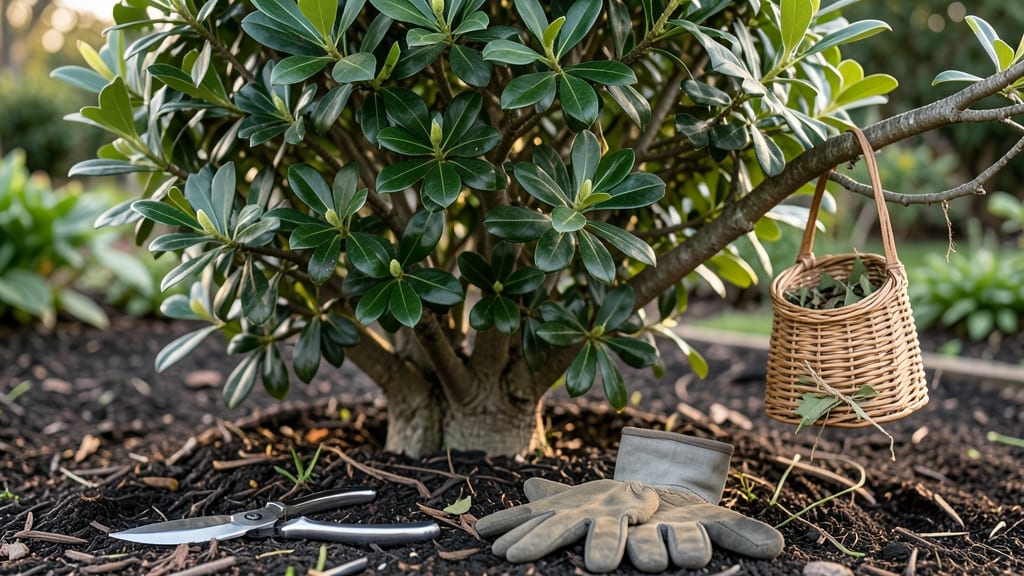
Skip laurel pruning isn't just possible—it's often the best choice for these tough shrubs. 🌿 I've watched mine grow denser and healthier by leaving them alone, and the thorns stay under control without a single cut. The key is understanding when to intervene and when to admire their natural shape.
Most skip laurel shrubs thrive with zero pruning for years, especially when planted in full sun with well-draining soil. The secret lies in their growth habit: they naturally fill in gaps and develop thick, thorny branches that deter pests and animals. Over-pruning creates weak, leggy growth and invites disease.
You'll know it's time to prune when you see bare patches or branches growing in odd directions. Even then, just trim back the worst offenders by one-third—never more. The goal is to maintain shape, not transform it.
This approach works year-round in warm climates, but in colder zones, a light shaping in late winter (before buds swell) keeps them looking tidy. The result? A shrub that stays dense, thorny, and problem-free with almost no effort.
📚 In This Guide
- What you need
- Instructions
- Tips and common mistakes
- Wrapping up and next steps
What you need
- ● Pruning shears (bypass or anvil type) – Sharp, clean blades (size 7–9 inches for medium branches). Quantity: 1
- ● Loppers – Long-handled (24–36 inches) for thicker branches (1–3 inches in diameter). Quantity: 1 pair
- ● Pruning saw – For branches >3 inches thick (bow or folding saw type). Quantity: 1
- ● Heavy-duty gloves – Thick, cut-resistant (e.g., 12–14 gauge leather) to protect against thorns. Quantity: 1–2 pairs
- ● Safety glasses – ANSI-rated for debris protection. Quantity: 1 pair
- ● Disinfectant (70% isopropyl alcohol or bleach solution) – To sterilize tools between cuts. Quantity: Small bottle
- ● Trash bags or bucket – For collecting pruned branches. Quantity: 1–2
- ● Ladder or stump – Sturdy, extendable (16–24 ft) if laurel is tall. Quantity: 1
- ● Rake or branch grabber – For clearing debris. Quantity: 1
- ● Pole pruner – For high branches (10–30 ft reach). Quantity: 1
- ● Tree wound dressing – Controversial but useful for large cuts (>2 inches). Quantity: Small tube
- ● Marking spray or tape – To outline pruning areas before cutting. Quantity: 1 can
- ● First-aid kit – In case of thorn pricks or minor cuts. Quantity: 1
Year-round skip laurel pruning: create a dense, thorn-free hedge
Skip laurel thrives with minimal pruning—here's how to shape it naturally for thick, healthy growth.
🌿 Step 1: Assess Current Growth and Identify Structural Branches
Start by examining your skip laurel hedge in early spring when new growth begins. Look for the main structural branches—they're the thickest stems that form the backbone of your hedge. These branches should be spaced about 12-18 inches apart for a balanced shape. If you see any branches growing inward or crossing each other, make a mental note to address them later.
Run your hand along the hedge to feel for any uneven spots where growth is sparse. Skip laurel naturally grows dense, but sometimes branches thin out in certain areas. This is where you'll focus your pruning to encourage fuller coverage. Avoid pruning in winter when the plant is dormant—you'll only stress the branches unnecessarily.
✂️ Step 2: Prune for Shape in Late Spring (After Flowering)
Wait until after flowering, typically in late May or early June, to do your main shaping. Use clean, sharp bypass pruners to cut just above a leaf node at a 45-degree angle. This encourages new growth from that point. For a formal hedge, maintain a consistent height by cutting the top evenly—aim for a straight line across the entire hedge.
When shaping, step back frequently to check your progress. You want to create a gradual slope if your hedge is tall, with the top slightly narrower than the base. This prevents water from pooling and reduces wind damage. Never remove more than one-third of the hedge's height at once—this can shock the plant and lead to sparse regrowth.
🌱 Step 3: Encourage Density Through Selective Trimming in Summer
Throughout the summer, do light maintenance trims to encourage dense growth. Focus on the lower third of the hedge first—this prevents leggy growth at the bottom. Cut back any branches that are growing too fast or becoming too long, but always leave at least 3-4 inches of growth on each branch to maintain vigor.
Watch for any branches that are growing away from the main structure. These can be trimmed back to just outside the main canopy to redirect energy toward filling in gaps. Avoid heavy pruning in summer heat—stick to light shaping to prevent stress. If you notice new thorns developing, trim them back immediately to keep your hedge thorn-free.
⏰ Step 4: Light Pruning in Early Fall to Prepare for Winter
In early fall, do a final light pruning to clean up any uneven growth and remove any dead or diseased branches. This is also the time to thin out any overly dense areas to improve air circulation. Cut back any suckers or water sprouts that appear at the base of the plant—these compete with the main structure for nutrients.
After pruning, give your skip laurel a deep watering to help it recover. Avoid fertilizing at this time of year, as new growth won't have time to harden off before winter. If you notice any branches that were damaged during the summer, trim them back now to prevent disease from setting in during the colder months.
☀️ Step 5: Minimal Winter Maintenance (Only When Necessary)
Skip laurel is quite hardy, but if you notice any branches that were damaged by frost or heavy snow, trim them back in late winter. Use clean pruners to make cuts just above a healthy bud or leaf node. Avoid heavy pruning during winter—this is the plant's dormant period, and it's better to wait until spring for major shaping.
Check for any signs of pests or disease, such as holes in leaves or black spots. If you find any issues, address them immediately with appropriate treatments. Otherwise, leave your skip laurel alone until spring. The less you disturb it in winter, the better it will perform when growth resumes in the warmer months.
Tips & tricks for perfect skip laurel pruning
Here's what nobody tells you—these tricks will keep your skip laurel looking lush all year without the guesswork.
Seasonal Timing Secret: The late spring pruning in Step 2 (after flowering) is your golden opportunity for dramatic shape changes. I always mark my calendar for early June—this is when skip laurel puts on its best growth spurt. If you prune too early, you risk cutting off flower buds; too late, and you'll be pruning new growth that might not have hardened off properly. That 45-degree angle cut isn't just decorative—it directs water away from the cut to prevent rot and encourages new growth from that precise spot.
Density Growth Hack: In Step 3, when you're focusing on the lower third, here's my game-changer: I make my summer trims every 6-8 weeks rather than all at once. This mimics natural growth patterns and prevents that "leggy" look at the bottom. The 3-4 inch growth rule is non-negotiable—any less and you'll stunt that branch's ability to produce new shoots. Pro tip: Use a string line to check your height consistency. Stretch it across the hedge and trim any branches that stick out beyond it.
Winter Damage Rescue: For Step 5, if you spot frost damage in late winter, don't panic—skip laurel is resilient. Cut back only to healthy green tissue, not brown. I've seen branches that looked completely dead in winter bounce back completely by spring. The key is patience: wait until you see new buds forming before making your final cuts. And here's what nobody mentions—if you must prune in winter, do it on a dry day when temperatures are above freezing. Wet, icy conditions can stress the plant even more.
Pro Tips for Skip Laurel Pruning
- Here's what nobody tells you—these tricks will keep your skip laurel looking lush all year without the guesswork.
- Seasonal Timing Secret: The late spring pruning in Step 2 (after flowering) is your golden opportunity for dramatic shape changes.
- Density Growth Hack: In Step 3, when you're focusing on the lower third, here's my game-changer: I make my summer trims every 6-8 weeks rather than all at once.
Frequently asked questions
Frequently Asked Questions about Skip Laurel Pruning
Got questions about keeping your skip laurel neat without the hassle? Here are some of the most common concerns—and their answers—to help you prune with confidence!
When is the best time to prune skip laurel for year-round shape?
The ideal time is late winter or early spring (February–March) when the plant is dormant but before new growth starts. However, you can do light maintenance pruning anytime except during extreme cold or heat. Avoid heavy pruning in late summer, as it may stress the plant before winter.
Can I skip pruning entirely, or will my skip laurel grow out of control?
While skip laurel is low-maintenance, occasional pruning is key to prevent overgrowth, thorniness, and a messy shape. Without pruning, branches can become dense and tangled, making it harder to shape later. A quick trim 2–3 times a year keeps it tidy and encourages healthy, thorn-free growth.
What if I prune too much—will my skip laurel die?
Skip laurel is hardy, but never remove more than 1/3 of the foliage at once. Heavy pruning can shock the plant, leading to sparse growth or dieback. If you’ve already over-pruned, focus on light shaping and fertilize to encourage recovery. Water deeply after pruning to help it bounce back!
Are there alternatives to traditional pruning for skip laurel?
Yes! Try topiary shaping with netting or selective branch removal to maintain density without heavy cuts. For a natural look, let it grow wild but trim back straggly branches annually. Some gardeners also use growth regulators to control sprawl, though pruning remains the most effective method.
Will pruning attract pests or harm beneficial insects?
Pruning won’t directly harm bees or butterflies, but avoid cutting during peak bloom (spring) to protect pollinators. If you notice aphids or spider mites after pruning, hose off the plant or use neem oil. Healthy, well-pruned skip laurels are less prone to pest issues than neglected ones!
Wrapping up and next steps
Mastering skip laurel pruning transforms your dense hedges into lush, thorn-free masterpieces—without the yearly struggle! 🌿 By spacing cuts strategically and focusing on when and how you prune, you’ll encourage healthier growth, reduce pests, and save time.
The key? Patience and precision—your hedges will thank you for years to come.
Ready to give it a try? Start small with one section of your hedge, track your progress, and soon, you’ll be the proud owner of a low-maintenance, thriving skip-laurel garden. Happy pruning! ✂️🌱