
Pruning
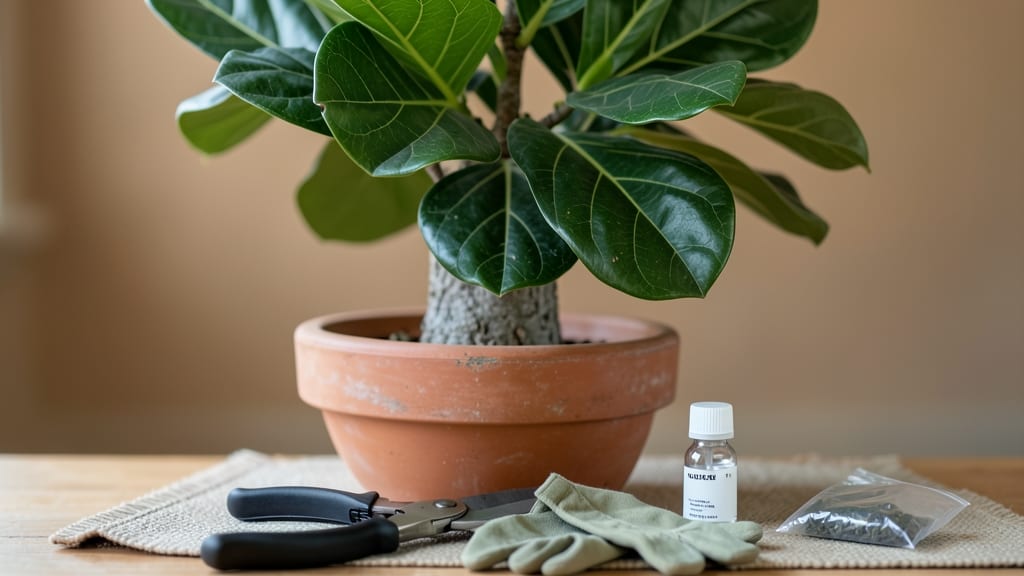
Pruning fiddle figs transforms those scraggly stems into a bushy, thorn-free showstopper—if you do it right. 🌿 I’ve pruned dozens, and the difference between a lanky mess and a lush, leafy plant comes down to timing, technique, and knowing where to cut. The key?
Prune in late winter or early spring when the plant wakes up but before new growth explodes. You’ll need just three tools: sharp pruning shears, rubbing alcohol (to sterilize cuts), and a small pot of well-draining soil for any cuttings you save.
The goal is to encourage branching by trimming back leggy stems to just above a leaf node—where new growth will sprout. For mature plants, you can also thin out dense areas to improve airflow and reduce thorns.
After pruning, give your fiddle fig a good drink and place it in bright, indirect light. Within weeks, you’ll see fresh, vibrant leaves filling in those bare spots. The best part? You can prune year-round if you catch a leggy stem early—just avoid heavy cuts during winter dormancy.
Common mistakes? Over-pruning (more than ⅓ of the plant at once) or cutting too close to the trunk, which can leave ugly scars. If you take it slow and focus on shaping, your fiddle fig will reward you with thicker foliage and fewer thorns—no matter the season.
📚 In This Guide
- What you need
- Instructions
- Tips and common mistakes
- Wrapping up and next steps
What you need
- ● Pruning shears: Bypass pruners (sharp, clean, and sterilized—think 5-inch blades for medium-sized branches). Avoid dull tools that crush stems!
- ● Gloves: Heavy-duty gardening gloves (thick leather or thorn-proof material—fiddle figs pack a punch! 🌿💥). Bonus points if they’re long-sleeved for extra protection.
- ● Disinfectant: 70% isopropyl alcohol or a horticultural spray (like 10% bleach solution) to sterilize tools between cuts.
- ● Rubbing alcohol or hydrogen peroxide: (3% solution) for wiping cuts on the plant to prevent infection.
- ● Newspaper or drop cloth: Lay this down to catch leaves and debris—fiddle figs shed a lot during pruning!
- ○ Rooting hormone: (optional for propagating cuttings—gel or powder works).
- ● Small pots with drainage: (4–6 inch pots) if you plan to propagate from pruned branches.
- ● Plant tie or twine: To secure large branches if your fiddle fig is top-heavy.
- ● Pruning saw: Only needed for very thick stems (rare in fiddle figs but handy for mature plants).
- ● Spray bottle with water: To mist cuttings or the plant post-pruning (helps reduce stress).
Step-by-step instructions for pruning fiddle figs
Here’s how I keep my fiddle figs thriving—with fewer thorns and more lush growth.
✂️ Step 1: Identify the Right Time to Prune
Fiddle figs respond best to pruning in early spring when new growth begins, but you can also trim lightly after flowering to encourage bushier habits. Avoid heavy pruning in fall or winter, as the plant needs its energy to recover. Look for yellowing leaves or leggy stems—these are your cues that it’s time to shape up.
I always prune just above a leaf node (where leaves attach) using clean, sharp shears. This ensures the plant regrows from a strong point rather than a weak stem. If you’re unsure, wait until you see at least 2-3 new leaves after the last trim—that’s your signal the plant is ready for another round.
✂️ Step 2: Remove Dead or Damaged Growth
Start by cutting away any brown, crispy, or mushy stems—these are dead and won’t recover. Use your shears at a 45-degree angle about ¼ inch above a healthy leaf node. This angle helps water run off the cut and prevents rot. If a stem is completely hollow or oozing sap, it’s beyond saving—snip it off entirely.
Watch for thorny growth that’s crowding the plant or growing inward. These can be trimmed back to encourage outward branching. I like to wear gloves for this step—fiddle fig thorns are sharp, and they’ll remind you why pruning is worth the effort.
✂️ Step 3: Shape the Plant for Balance
Step back and assess the plant’s shape. You want a full, rounded silhouette with space between branches for airflow. Trim back any stems that are growing too close together or crossing others—this prevents disease and encourages thicker growth. Cut just above a leaf node to promote new shoots from that point.
If your fiddle fig is top-heavy, prune the longest stems first to balance the plant. This also prevents it from tipping over. I usually aim to reduce the tallest stems by ⅓ of their length—enough to shape it without shocking the plant.
💧 Step 4: Encourage New Growth After Pruning
After trimming, give your fiddle fig a light drink of water to help it recover. Avoid heavy watering for 3-5 days to let the cuts heal and prevent rot. Place the plant in bright, indirect light for a week—direct sun can stress freshly pruned stems.
You’ll see new growth within 4-6 weeks if the plant is healthy. Look for small, pointed leaves emerging from the nodes where you cut. If you don’t see new shoots after 8 weeks, your plant might need more light or fertilizer. A little patience goes a long way—fiddle figs bounce back stronger after a good pruning.
Tips & tricks for perfect fiddle fig pruning
These little details make all the difference between a stressed plant and one that thrives year after year.
Timing is Everything: Early spring is your golden window for major pruning, but don't overlook the opportunity to trim lightly after flowering. I've seen fiddle figs that bloomed beautifully but became leggy afterward—those are perfect candidates for a light shaping session. The key is to never prune when the plant is already stressed, like during winter dormancy. Think of it like giving your plant a haircut when it's feeling its best.
Tool Prep Matters: Before you even touch your fiddle fig, sterilize your pruning shears with rubbing alcohol. I learned this the hard way after transferring a fungal infection from one plant to another. Also, make sure your blades are sharp—dull shears crush stems instead of making clean cuts, which leads to more damage and slower healing. A quick test: if you struggle to cut through a pencil with your shears, they're too dull.
The 45-Degree Angle Secret: That small detail about cutting at a 45-degree angle above the leaf node isn't just about looks—it's about plant health. The angled cut prevents water from pooling at the base, which would otherwise create the perfect conditions for rot. I also like to dip my shears in cinnamon powder after each cut (this is optional but helpful). Cinnamon has natural antifungal properties that give your plant an extra layer of protection while it heals.
Post-Pruning Care: The 3-5 day watering break after pruning is crucial, but don't assume your plant is done needing attention. Keep an eye out for new growth starting at the nodes where you cut—this is your plant's way of telling you it's recovering well. If you notice any yellowing leaves after pruning (not before), that could indicate stress from the trimming. In that case, move your plant to a slightly shadier spot for a week or two while it adjusts.
Pro Tips for Fiddle Fig Pruning
- These little details make all the difference between a stressed plant and one that thrives year after year.
- Timing is Everything: Early spring is your golden window for major pruning, but don't overlook the opportunity to trim lightly after flowering.
- Tool Prep Matters: Before you even touch your fiddle fig, sterilize your pruning shears with rubbing alcohol.
Frequently asked questions
Got questions about keeping your fiddle fig happy and thriving? Here are some of the most common concerns—plus expert answers to help you prune like a pro!
When is the best time to prune a fiddle fig?
The ideal time is spring or early summer when new growth is just starting. This encourages bushier, fuller plants. Avoid heavy pruning in fall or winter, as the plant may struggle to recover before dormancy. Light trimming to remove dead leaves or leggy stems can happen year-round, though!
How do I prune a fiddle fig without hurting it?
Use sterilized pruners (rubbing alcohol or bleach wipe) to prevent disease. Cut just above a leaf node at a 45-degree angle to encourage faster healing. Avoid over-pruning—never remove more than one-third of the plant at once. If you’re unsure, start small and observe how it responds!
Can I propagate my fiddle fig from cuttings?
After pruning, save healthy stems (4–6 inches long) and let the cuts dry for a day. Dip in rooting hormone (optional) and plant in well-draining soil. Keep the soil moist and place in bright, indirect light. Roots should form in 4–8 weeks—a great way to expand your collection!
Why does my fiddle fig keep growing thorns after pruning?
Thorns are natural for fiddle figs, but over-pruning or stress can make them worse. Focus on removing only dead or crowded branches and avoid cutting into thick stems. If thorns are excessive, try pinching back new growth early to redirect energy into foliage instead.
What should I do if my fiddle fig looks leggy after pruning?
Leggy growth usually means it needs more light! Move it to a brighter spot (but avoid direct sun) and prune again in a few weeks to encourage denser branching. If the soil is dry, water deeply but let it dry slightly between waterings. A balanced fertilizer in spring can also boost healthier growth.
Do I need special tools for fiddle fig pruning?
Not necessarily! While bypass pruners or sharp scissors work well, you can also use clean kitchen shears in a pinch. Just ensure they’re sterilized to avoid bacterial infections. A small spray bottle with water helps reduce dust when cutting—especially helpful for those pesky thorns!
Wrapping up and next steps
Pruning your fiddle fig doesn’t have to be intimidating—with the right timing, tools, and techniques, you can keep it thriving year-round while minimizing those pesky thorns! 🌿 Whether you’re shaping a bushy specimen or encouraging vibrant blooms, consistency is key.
Start small, observe your plant’s response, and soon you’ll have a lush, healthy fiddle fig that’s the envy of the neighborhood.
Ready to take the next step? Grab your pruners, dust off your gloves, and schedule that first trim! Your fiddle fig will thank you with stunning new growth in no time.