
Pruning
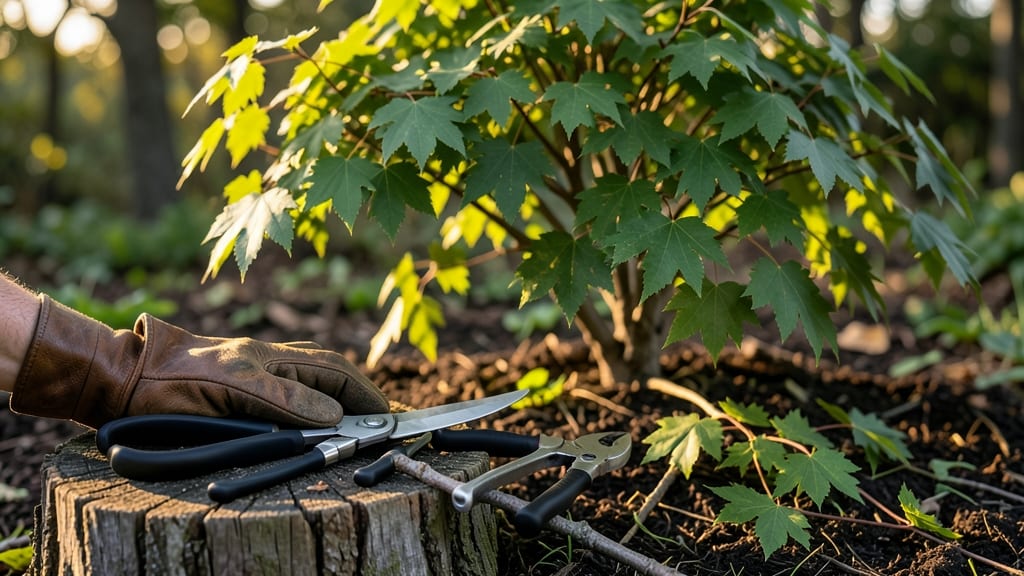
Pruning vine maple (Acer circinatum) transforms tangled branches into a lush, open canopy that lets sunlight reach the forest floor below. I’ve spent years pruning these graceful trees, and the right cuts—made at the right time—can double your tree’s lifespan while keeping it vibrant.
The key isn’t just cutting; it’s understanding when to prune, what to remove, and how to shape for both health and beauty.
Start with the basics: sharp pruners, gloves, and a ladder (for taller branches). Vine maples respond best to pruning in late winter or early spring, when the tree is dormant but before new growth begins.
This timing minimizes stress and encourages strong regrowth. Avoid heavy pruning in fall, as wounds take longer to heal before winter sets in.
Focus on three priorities: remove dead or diseased wood first, then thin out crowded branches to improve airflow, and finally shape the tree by selectively shortening limbs.
A well-pruned vine maple develops a balanced silhouette and produces more vibrant foliage. After pruning, clean up fallen debris to prevent pests or disease from taking hold.
Common mistakes include over-pruning (never remove more than 25% of the canopy at once) or cutting too close to the trunk, which can damage the tree. With patience and precision, your vine maple will reward you with healthier growth and stunning fall color for decades to come.
📚 In This Guide
- What you need
- Instructions
- Tips and common mistakes
- Wrapping up and next steps
What you need
- ● Bypass pruning shears – Sharp, clean blades (4"–6" opening) for small branches (up to ½" thick). Must be sterilized with rubbing alcohol or bleach solution (1 part bleach to 9 parts water) to prevent disease spread.
- ● Loppers – Heavy-duty, bypass-style (8"–12" cutting capacity) for branches ½"–2" in diameter. Look for ratcheting or bypass models for precision.
- ● Pruning saw – Bow saw or pruning saw with fine teeth (for branches 2"–4" thick). Avoid cheap saws—they tear wood, not cut cleanly.
- ● Extension pole – 10–16 ft with a bypass saw or shears attachment for high branches (saves time and backaches!).
- ● Gloves – Cut-resistant (e.g., Pipers or Tiger Claw) to protect hands from thorns and rough bark.
- ● Ladder – Sturdy, non-slip (e.g., aluminum extension ladder or pod-style ladder) rated for your height needs. Never stand on the top 3 rungs!
- ○ Disposable pruning sealant – Optional but helpful for sealing large cuts (>1" diameter) to prevent disease. Choose a latex-based or asphalt-based product.
- ● Heavy-duty trash bags – For collecting debris (1–2 bags per session). Pro tip: Tie them to your belt to avoid dropping branches!
- ● Work boots or closed-toe shoes – Steel-toe recommended if branches are thick or thorny.
- ● Safety glasses – Protects eyes from flying debris (even small branches can cause injury!).
- ● Pruning rope – 10–15 ft of nylon or polyester rope (½" thick) for lowering large branches without damaging the tree.
- ● Tree wound dressing – Controversial but some swear by it for large cuts (e.g., Tanglefoot Tree Wound Pruning Seal).
- ● Handheld leaf blower – Speeds up cleanup after pruning (especially for vine maple’s abundant foliage).
- ● Notebook & pencil – To sketch a pruning plan before you start (great for beginners!).
- ● First-aid kit – For minor cuts or scrapes (vine maples have sharp thorns!).
Step-by-Step guide for pruning vine maple trees
Here's how I keep vine maples thriving year-round with clean, strategic cuts.
Time Your Pruning for Optimal Growth
Prune vine maples in late winter or early spring before new growth begins—this is when the tree is still dormant but ready to respond. I avoid pruning in fall because fresh cuts won’t heal properly before winter sets in. If you must prune in summer, do it early in the season to minimize stress on the tree.
Look for bud swell as your signal—when you see those plump buds forming along the branches, that’s your cue. This timing ensures the tree directs energy into healing cuts rather than flowering or fruiting. For severe pruning (like removing large branches), early spring is best.
Assess the Canopy for Problem Areas
Start by examining the tree for dead, diseased, or crossing branches. Dead branches are easy to spot—they’re dry, brittle, and often snap when you bend them. Diseased branches may have discolored bark, fungal growth, or oozing sap. Remove these first, as they can spread issues to healthy parts of the tree.
Next, identify crossing or rubbing branches. These create wounds where bark gets damaged, inviting pests and disease. Use a flashlight to check the underside of branches—you’ll often find where they’re rubbing against each other. Mark these for removal with a piece of twine or tape.
Make Clean Cuts at the Right Angle
Use sharp, clean pruning tools—dull blades tear bark and leave jagged edges that heal poorly. For branches thicker than ½ inch, use loppers or a pruning saw. For thinner branches, hand pruners work best. Always cut just outside the branch collar (the swollen area where the branch meets the trunk or larger branch).
Make your cut at a 45-degree angle about ¼ inch outside the branch collar. Avoid leaving stubs—these collect moisture and rot. If the branch is large, make a second cut 6-12 inches out from the trunk to reduce weight before removing it entirely. This prevents tearing the bark.
Thin the Canopy for Better Airflow
Vine maples benefit from selective thinning to improve light penetration and airflow. Focus on removing branches that grow inward or downward—they create dense shade that encourages fungal growth. Aim to open up the canopy so light reaches the inner branches without removing more than 25% of the foliage in one season.
Start at the outer edges of the tree and work your way inward. Step back frequently to visualize the shape—you want a balanced, open canopy. Avoid "lion’s tailing" (cutting back to a stub), as this encourages weak growth. Instead, prune back to a healthy lateral branch or bud.
Clean Up and Monitor for Recovery
After pruning, sterilize your tools with rubbing alcohol to prevent spreading disease. Collect and dispose of debris—don’t leave it under the tree, as it can harbor pests. Seal larger wounds (over 4 inches in diameter) with pruning sealant to protect against decay, but skip it for smaller cuts—the tree’s natural healing response is usually sufficient.
Water the tree deeply after pruning to help it recover. Monitor the cuts over the next few weeks for signs of healing—healthy tissue will form a smooth, callused layer. If you notice oozing sap, discoloration, or wilting leaves near pruned areas, the cuts may be too severe. Adjust your approach for next time.
Tips & tricks for pruning vine maple trees
Pruning vine maples right takes more than just cutting branches—it's about timing, technique, and understanding what your tree really needs. Here's what I've learned from years of shaping these beautiful trees.
Timing is Everything: That late winter or early spring window isn't just arbitrary—it's when vine maples are biologically primed for recovery. The bud swell you're looking for in Step 1 is nature's way of telling you "now's the time." If you prune too early, the tree won't have energy to heal; too late, and you risk encouraging new growth that won't harden off before winter. For severe pruning jobs, I've found that early spring gives the tree the full growing season to recover before winter stress sets in.
Tool Sharpness Makes All the Difference: I can't stress this enough—dull tools are the enemy of clean cuts. The branch collar area you're cutting just outside of in Step 3 needs to be left intact for proper healing. A sharp pruner will make that 45-degree cut cleanly, while a dull one will tear the bark. I keep a small file in my tool bag specifically for maintaining my pruners between uses. For branches thicker than ½ inch, I always switch to my loppers—they give me the leverage I need without crushing the branch.
Visualizing the Canopy: The selective thinning in Step 4 is where most people get stuck. Here's my trick: step back and look at the tree from all angles. Imagine sunlight streaming through the branches—you want to create that dappled light effect. I mark branches for removal with a piece of twine, then step back again to visualize the shape. This prevents that common mistake of over-thinning one side while leaving another too dense. Remember, we're aiming for that 25% foliage removal maximum to avoid stressing the tree.
Post-Pruning Care is Critical: The cleanup in Step 5 isn't just about tidiness—it's about tree health. I always sterilize my tools between cuts to prevent spreading any potential diseases. For larger wounds over 4 inches, I use pruning sealant, but I've learned the hard way that smaller cuts actually heal better without it. The key is deep watering after pruning to help the tree recover. I set up a soaker hose for the first week to ensure proper hydration without over-saturating the soil.
Pro Tips for Pruning Vine Maple
- Pruning vine maples right takes more than just cutting branches—it's about timing, technique, and understanding what your tree really needs.
- Timing is Everything: That late winter or early spring window isn't just arbitrary—it's when vine maples are biologically primed for recovery.
- Tool Sharpness Makes All the Difference: I can't stress this enough—dull tools are the enemy of clean cuts.
Frequently asked questions
Got questions about pruning vine maple? You’re not alone! Here are some of the most common concerns—plus clear, actionable answers to keep your tree thriving.
When is the best time to prune vine maple?
The ideal time is late winter to early spring (just before buds swell) or summer after flowering. Avoid heavy pruning in fall—it can stress the tree before winter. Light shaping in early spring is safe, but major cuts wait until dormancy. Pro tip: If pests are an issue, prune in dry weather to reduce disease risk.
How much can I trim without harming the tree?
Vine maples are resilient, but never remove more than 25% of the canopy in one season. Over-pruning weakens the tree and encourages disease. For young trees, focus on structural shaping—remove dead, crossing, or rubbing branches first. Older trees may tolerate more, but space cuts over 2–3 years.
What if my vine maple bleeds sap after pruning?
Sap bleeding (especially in early spring) is normal but can be messy. It won’t harm the tree—just seal larger cuts (1+ inch) with pruning sealant if concerned. For small cuts, let it heal naturally. Avoid pruning in extreme cold (below 40°F), as sap flow worsens. Bonus: Use the sap for crafts or compost!
Are there alternatives to pruning if my vine maple is overgrown?
If pruning feels overwhelming, try selective thinning—remove only the most crowded branches to improve airflow. For aggressive regrowth, topping is a last resort (but it creates ugly stubs and weakens the tree). Consider hiring an ISA-certified arborist for large trees—they’ll assess health and structure safely.
How do I prevent pests/infections after pruning?
Sterilize tools with 70% rubbing alcohol between cuts to avoid spreading disease. Remove all debris and avoid pruning when leaves are wet (fungus loves moisture!). If you spot anthracnose (black spots) or scale insects, treat with neem oil or horticultural oil. Healthy trees resist pests—focus on proper timing and technique!
| Quick Reference | Do | Don’t |
|---|---|---|
| Timing | Late winter/early spring or post-flowering | Fall (encourages disease) or extreme cold |
| Tools | Sterilized pruners, sharp saws, sealant for large cuts | Dull tools (tear wood, invite pests) |
| Safety | Wear gloves, check for power lines | Over-reach—use a ladder or hire help |
Wrapping up and next steps
Pruning your vine maple doesn’t have to be intimidating—it’s all about timing, technique, and a little patience. 🌿 By following seasonal best practices, you’ll encourage a lush, healthy canopy while keeping your tree safe and thriving.
Whether you’re trimming for shape, light, or health, start small, stay consistent, and watch your vine maple flourish year after year.
Ready to give it a try? Grab your tools, pick a sunny day, and begin with confidence! For extra guidance, check out our vine maple care checklist—your tree’s next great look starts with you.