Pruning
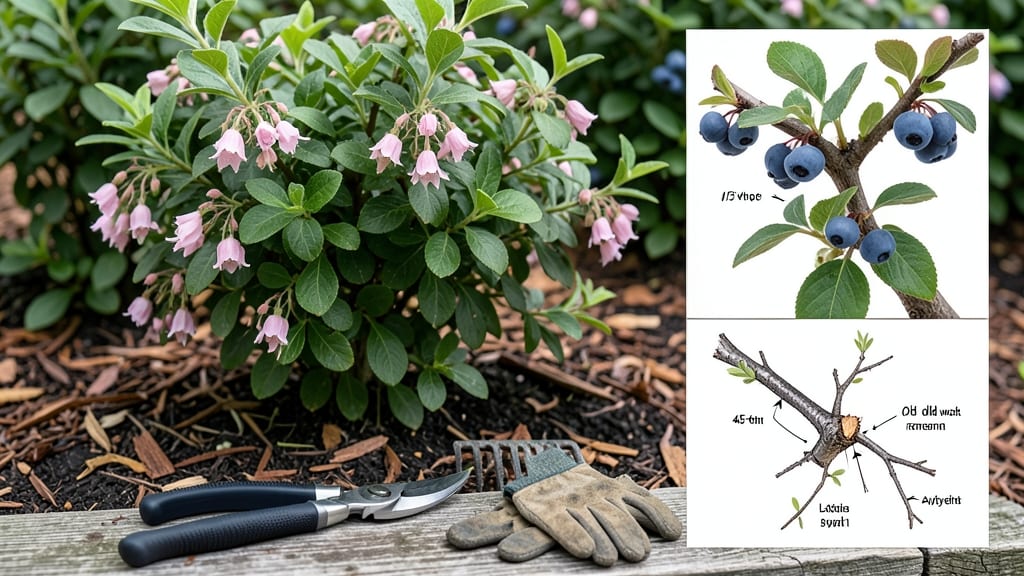
Pruning highbush blueberry bushes transforms your harvest from a handful of berries to buckets full. 🌿 I’ve turned my once-neglected bushes into productive powerhouses by following a simple year-round schedule—one that keeps them healthy, open, and bursting with fruit.
The key? Pruning at the right times and knowing exactly where to cut.
You only need a few tools: sharp pruning shears, gloves, and a bucket for clippings. The real work happens in late winter and summer, when you remove dead wood, shape the bush, and encourage new growth.
My bushes now produce 3-4 times more berries than before, and the berries themselves are larger and sweeter. It’s all about airflow and sunlight reaching the center.
By summer’s end, you’ll see a bush that looks like an open umbrella instead of a dense tangle. This shape means fewer diseases, easier picking, and berries that ripen evenly.
The best part? You’ll spend less time fighting back tangled branches and more time enjoying the harvest. Here’s exactly how to do it right.
Whether you’re a first-time blueberry grower or looking to revive struggling bushes, this method works. The secret isn’t complicated—it’s consistent. Start now, and next year’s harvest will thank you.
📚 In This Guide
- What you need
- Instructions
- Tips and common mistakes
- Wrapping up and next steps
What you need
- ● Pruning shears – Bypass pruners (sharp, clean, and capable of cutting ¼-inch stems). Quantity: 1 pair.
- ● Loppers – For thicker branches (up to 1-inch diameter). Quantity: 1 pair.
- ● Hand pruners – Anvil-style (for smaller cuts, but sterilize between uses to avoid disease). Quantity: 1 pair.
- ● Disinfectant – 70% isopropyl alcohol or bleach solution (1 part bleach to 9 parts water) to sterilize tools between cuts. Quantity: Small spray bottle or container.
- ● Garden gloves – Cut-resistant (to protect hands from thorns and sharp branches). Quantity: 1 pair.
- ● Heavy-duty trash bags – For removing pruned branches (prevents disease spread). Quantity: 2-3 bags.
- ● Rake or leaf blower – To clear debris from the pruning area. Quantity: 1.
- ● Pruning saw – For very thick, woody stems (rare in young bushes). Quantity: 1.
- ● Labeling tags – If you’re experimenting with different pruning techniques on separate bushes.
- ● Knee pads – For comfort if you’re working on larger bushes or in awkward positions.
- ● Plant wound sealant – Not always necessary for blueberries, but useful if you’re concerned about large cuts.
Step-by-Step guide to pruning highbush blueberry bushes
Here's my foolproof method for keeping your bushes healthy and productive year after year.
✂️ Step 1: Prune Immediately After Harvest
Once you've picked the last berries, grab your pruners and get to work. Focus on removing any branches that produced fruit this season—they're called "fruit spurs" and they'll only produce one good crop before declining. Cut these back to a strong lateral branch or the main stem, making your cuts at a 45-degree angle just above a bud.
I always start with the oldest branches first. These are the ones that look thickest and might have fewer leaves. You'll see them growing from the very center of the bush. Remove up to 25% of the oldest wood this year to encourage new growth. This keeps the bush open and airy, which prevents fungal diseases that love damp, crowded spaces.
🌿 Step 2: Thin Out Overcrowded Branches in Late Winter
Wait until late winter, when the bush is still dormant but just starting to show signs of new growth. This is usually February or March in most climates. Look for branches that cross each other or grow inward toward the center of the bush. These compete for sunlight and nutrients, weakening the whole plant.
Remove any branches that are growing straight up from the ground—these are called "suckers" and they drain energy from the main plant. Cut them at the base with clean, sharp pruners. You'll know you're doing it right when you can see light filtering through the center of the bush. Aim to keep the shape naturally open and vase-like, with the oldest branches at the center.
☀️ Step 3: Remove Dead, Diseased, or Damaged Wood in Early Spring
As soon as you see new growth starting in early spring, do a final check for any branches that look dead, diseased, or damaged. Dead wood is easy to spot—it's brown, brittle, and doesn't bend when you test it. Diseased wood might have black spots, mold, or unusual growths. Cut these out completely, making sure to sterilize your pruners with rubbing alcohol between cuts.
Here's where it gets fun—watch for any branches that are growing too close together. Even if they're not crossing, if they're within 6 inches of each other, one of them needs to go. Thin them out so the remaining branches have plenty of space to grow strong and healthy. This is also the time to shape the bush lightly, encouraging a balanced form that catches sunlight from all directions.
⏰ Step 4: Light Maintenance Throughout the Growing Season
Don't stop pruning after spring! Throughout the growing season, keep an eye out for any branches that are growing too vigorously or in odd directions. Pinch back new growth that's longer than 12 inches to encourage bushier growth. You'll see these as long, thin stems with leaves clustered at the tips.
If you notice any branches rubbing against each other, trim them back immediately. The friction creates wounds that invite disease. Also, remove any water sprouts—these are fast-growing, vertical shoots that appear along the stems. They look like tiny trees growing out of your bush and they steal energy from fruit production. Cut them off at the base as soon as you spot them.
Tips & tricks for pruning highbush blueberry bushes
Here's the thing—pruning blueberries isn't just about cutting branches. It's about creating the perfect environment for your bush to thrive. These small tweaks make all the difference between a struggling bush and one that produces bucketfuls of berries.
The Angle Matters: When you make those 45-degree cuts in Step 1, aim just above a bud that faces outward from the bush. This simple detail ensures new growth will spread outward, keeping your bush open and airy. I learned this the hard way after watching branches grow inward, creating a dense center that trapped moisture and led to mold.
Seasonal Timing is Everything: The February-March window in Step 2 is critical because that's when your bush is just waking up from dormancy. Pruning too early can stimulate growth that might get damaged by late frosts. Too late, and you risk removing buds that would have produced this year's crop. If you miss this window, don't panic—just wait until early spring for Step 3.
Don't Overlook the Little Things: Those water sprouts mentioned in Step 4 might seem insignificant, but they're actually stealing energy from your berry production. I've seen bushes with dozens of these little "trees" growing along the stems, and they completely drain the plant's resources. Make it a habit to check for them every couple of weeks during growing season—it only takes a minute but makes a huge difference.
Tool Maintenance is Non-Negotiable: Sterilizing your pruners between cuts in Step 3 isn't just about hygiene—it's about protecting your entire bush. Fungal spores can hitch a ride on dirty tools and infect healthy branches. Keep rubbing alcohol handy and wipe your blades after every 3-5 cuts, especially when dealing with diseased wood. Your future harvests will thank you.
Pro Tips for Pruning Highbush Blueberry Bushes
- Here's the thing—pruning blueberries isn't just about cutting branches. It's about creating the perfect environment f...
- The Angle Matters: When you make those 45-degree cuts in Step 1, aim just above a bud that faces outward from the bus...
- Seasonal Timing is Everything: The February-March window in Step 2 is critical because that's when your bush is just ...
Frequently asked questions
Got questions about pruning your highbush blueberries? You're not alone—this task can feel tricky at first! Here are the answers to some of the most common questions to help you feel confident and get the best results from your bushes.
When is the best time to prune highbush blueberries?
Prune your highbush blueberries in late winter or early spring (before buds break) or right after harvest in summer. Avoid pruning in fall—it can stimulate new growth that won’t harden off before winter, making the bush vulnerable to cold damage. For established bushes, January–February is ideal in most climates.
How much should I cut back my blueberry bushes?
For young bushes (1–3 years old), remove about 1/3 of the oldest canes each year to encourage new growth. Mature bushes (4+ years) can have 50–70% of the oldest canes removed annually. Never cut more than 1/3 of the total canes in a single year—this keeps the plant healthy and productive.
What if I prune at the wrong time?
Pruning too late in spring (after buds swell) or in fall can stress the bush. Late-spring cuts may reduce fruit production that season, while fall pruning can lead to frost damage. If you accidentally prune at the wrong time, don’t panic—just focus on light maintenance cuts (removing dead or diseased wood) and adjust your schedule next year.
Can I prune blueberries in summer?
Yes! Summer pruning (after harvest) is a great way to remove weak, crossing, or overcrowded canes without disrupting winter dormancy. It also improves airflow, reducing disease risk. Just avoid heavy pruning—stick to shaping and thinning out 10–20% of the bush at this time.
How do I tell the difference between old and new canes?
Old canes are wooden, thick, and often gray or brown, while new canes are green, flexible, and thinner. Old canes produce fruit, but they’re less productive after 5–6 years. Always keep 3–5 of the strongest, youngest canes to ensure future harvests.
Pro Tip:
Use a sharp pair of pruners (or loppers for thicker canes) and make cuts at a 45-degree angle just above a bud or branch. Disinfect your tools with rubbing alcohol between cuts to prevent spreading disease. Happy pruning!
Wrapping up and next steps
Pruning your highbush blueberry bushes might seem daunting at first, but with the right timing, tools, and techniques, you’ll unlock their full potential for bountiful harvests year after year. 🌿 Remember, consistency is key—whether you’re shaping new growth, removing old wood, or thinning crowded stems, each cut brings you closer to those juicy, plump berries.
Now that you’re armed with expert tips, grab your pruners and get ready to transform your blueberry patch into a thriving fruit powerhouse!
💡 Next step: Mark your calendar for late winter or early spring—that’s when your pruning journey begins! Start small, observe your bushes, and adjust as you go. Happy pruning!