
How To
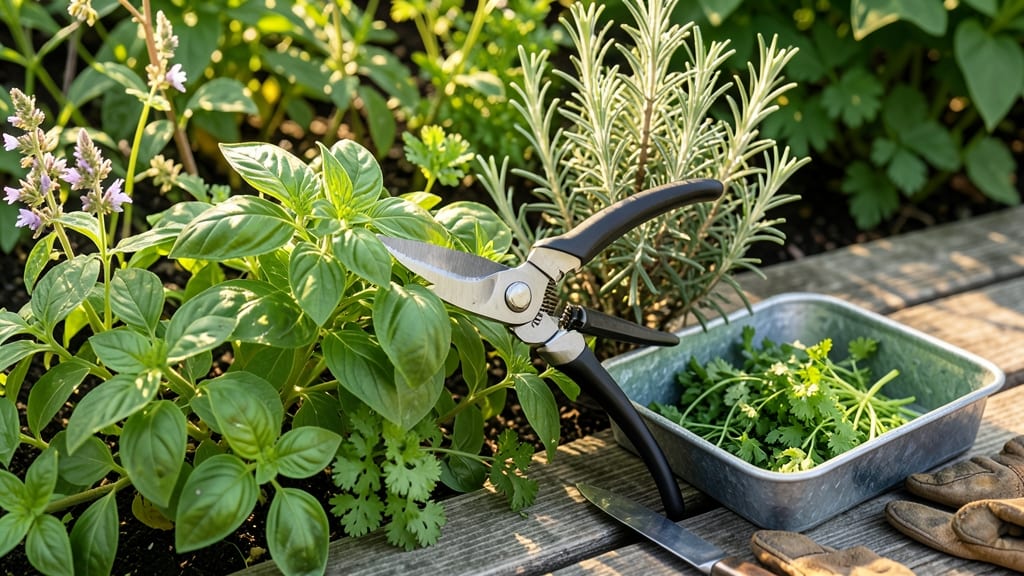
Pruning herbs isn't just about trimming—it's the secret to nonstop harvests all season long. ✂️ I learned the hard way when my basil turned woody and stopped producing leaves after I ignored the first signs of leggy growth.
The right cuts encourage bushier plants, deter pests, and keep flavors vibrant longer than you'd expect.
Start by snipping just above a leaf node (where leaves grow) with clean pruners—never more than ⅓ of the plant at once. For tender herbs like basil, pinch off flowers to redirect energy to leaves.
Woody herbs like rosemary need a harder cut back in early spring, while mint thrives when you shear it like a hedge. The key is consistency: a little maintenance keeps them productive for years.
📚 In This Guide
- What you need
- Instructions
- Tips and common mistakes
- Wrapping up and next steps
What you need
- ● Sharp pruning shears or scissors – Choose bypass pruners (for clean cuts) or small hand pruners (for delicate herbs). Quantity: 1 pair (sterilized with rubbing alcohol or bleach solution).
- ● Clean, sharp kitchen knife or razor blade – For trimming individual leaves or stems (e.g., basil or thyme). Quantity: 1 (sanitized).
- ○ Gloves (optional but recommended) – Protects hands from thorns (e.g., rosemary) or sap (e.g., mint). Material: Lightweight, breathable fabric.
- ● Disinfectant (rubbing alcohol or 10% bleach solution) – Sterilizes tools between cuts to prevent disease. Quantity: Small bottle or spray.
- ● Garden twine or rubber bands – For tying up leggy herbs (e.g., oregano) to encourage bushier growth. Quantity: 1 roll.
- ● Pruning saw (for woody herbs only) – Needed if pruning mature rosemary or thyme with thick stems. Quantity: 1 (if applicable).
- ● Pruning guide or ruler – Ensures cuts are made at the right height (e.g., 1/3 from the base for basil).
- ● Labeling tags or markers – Helps identify herbs after pruning (especially useful for container gardens).
- ● Compost bin or bag – For clippings that aren’t used for cooking or propagation.
- ● Spray bottle with water – Quickly hydrates plants after heavy pruning.
- ● Plant food or fertilizer – A balanced, water-soluble option to revive herbs post-prune (e.g., fish emulsion or seaweed extract).
How to prune herbs for maximum flavor and growth
Pruning isn’t just about shaping—it’s how you keep your herbs thriving all season long. Here’s my go-to method for keeping them lush, fragrant, and productive.
✂️ Step 1: Identify the Right Time to Prune
Prune in the morning when the oils are most concentrated. For annual herbs like basil and cilantro, cut back after they’ve established 6-8 leaves—this encourages bushier growth. Perennial herbs like rosemary and thyme can handle pruning anytime except when flowering, as blooms signal the plant to focus on seed production instead of leaf growth.
Watch for new growth at the base—this is your cue that the plant has enough energy to handle pruning. If you see leggy stems reaching for light, that’s another sign it’s time to trim. Just avoid pruning right after transplanting; wait until the plant shows new leaves to avoid stress.
✂️ Step 2: Use the Right Tools and Technique
Sharp, clean pruners are a must—dull blades crush stems and invite disease. I always sterilize my tools with rubbing alcohol before and after use. For most herbs, cut just above a leaf node (the point where leaves or stems branch out) at a 45-degree angle to increase surface area for water absorption.
Never cut into woody stems—this can damage the plant. If you’re dealing with woody herbs like rosemary, use clean, sharp scissors instead of pruners to avoid tearing. And here’s the thing: don’t remove more than one-third of the plant at once. This keeps the herb from going into shock and ensures it rebounds quickly.
🌿 Step 3: Prune for Shape and Health
Shape your herbs by pinching or cutting back the tips of leggy stems. This encourages the plant to branch out, giving you more leaves for harvesting. For bushy herbs like oregano and thyme, trim the outer stems to open up the center and improve airflow—this prevents fungal issues.
Remove any yellow or brown leaves immediately—they’re a sign of stress or disease. If you spot flower buds forming, snip them off right away. Flowers may look pretty, but they drain energy from leaf production. I always check my herbs weekly for these signs, especially during peak growing months.
☀️ Step 4: Adjust Pruning by Season
Spring is the best time to give herbs a hard prune—cut back by about one-third to encourage vigorous new growth. In summer, focus on regular light trims to keep the plant compact and prevent it from becoming woody. Fall is for light maintenance pruning, removing only dead or damaged foliage to prep the plant for dormancy.
Winter pruning depends on your climate. In mild zones, a light trim keeps herbs tidy, while in colder areas, you might only need to remove dead growth. I’ve found that herbs like rosemary and thyme actually benefit from a light winter haircut—it prevents them from becoming overgrown and leggy by spring.
⏰ Step 5: Harvest and Prune Simultaneously
Pruning and harvesting go hand in hand. When you harvest leaves, always cut just above a leaf node to encourage new growth. For example, when harvesting basil, pinch off the top set of leaves with your fingers—no need for tools. This keeps the plant bushy and productive.
Use the one-third rule for harvesting too: never take more than one-third of the plant at once. If you’re harvesting stems (like rosemary or mint), cut just above a leaf node and use the trimmed stems in cooking or drying. This way, you’re pruning and harvesting in one step—efficiency at its best.
Tips & tricks for pruning herbs like a pro
Here's what nobody tells you about keeping your herbs thriving—these tricks make all the difference between a struggling plant and one that grows like crazy.
Timing is Everything: Morning is the absolute best time to prune because that's when the essential oils are most concentrated in the leaves. I've ruined batches of herbs by pruning in the afternoon—it's like cutting flowers right before they're about to open. For annual herbs like basil, wait until they've established 6-8 leaves before your first major trim. This gives them the energy to bounce back and grow bushier. Pro tip: If you're harvesting basil, pinch off the top set of leaves with your fingers—this encourages even more growth at the base.
Tool Selection Matters: I can't stress this enough—dull pruners are the enemy of healthy herbs. They crush stems and create openings for disease. Always sterilize your tools with rubbing alcohol before and after use, especially when moving between plants. For woody herbs like rosemary, switch to sharp scissors to avoid tearing the stems. And here's the thing about angles: when you cut just above a leaf node at a 45-degree angle, you increase the surface area for water absorption. It's a small detail that makes a big difference in plant health.
Seasonal Strategy: Spring is when you should give your herbs a hard prune—cut back by about one-third to encourage vigorous new growth. In summer, switch to regular light trims to keep plants compact and prevent them from becoming woody. I've learned this the hard way with my rosemary plants—if you let them get too leggy in summer, they can become woody and less productive by fall. For winter pruning, a light trim keeps herbs tidy in mild zones, while in colder areas, just remove dead growth to prep for dormancy.
Health Check: Always remove any yellow or brown leaves immediately—they're a sign of stress or disease. And here's what nobody tells you about flowers: those pretty blooms you see forming actually drain energy from leaf production. Snip them off right away to keep your herbs focused on growing leaves. I check my herbs weekly during peak growing months, and this simple habit has kept my herb garden thriving for years.
Pro Tips for Prune Herbs
- Here's what nobody tells you about keeping your herbs thriving—these tricks make all the difference between a struggl...
- Timing is Everything: Morning is the absolute best time to prune because that's when the essential oils are most conc...
- Tool Selection Matters: I can't stress this enough—dull pruners are the enemy of healthy herbs. They crush stems and ...
Frequently asked questions
Got questions about pruning herbs? You’re not alone! Here are answers to the most common concerns—so you can keep your garden thriving without the guesswork.
When is the best time to prune herbs?
Prune herbs throughout the growing season—spring, summer, and early fall—to encourage bushier growth. Avoid heavy pruning in late fall or winter, as most herbs (like rosemary or thyme) need dormancy. For tender herbs (basil, cilantro), prune before flowering to preserve flavor.
Can I prune herbs too much?
Yes! Over-pruning stresses plants, especially in hot climates. Stick to 1/3 of the plant’s growth at a time. If leaves turn yellow or stems look bare, you’ve pruned too aggressively. Herbs like oregano and mint are hardier, but delicate ones (dill, parsley) need gentler trims.
What’s the difference between pinching and pruning?
Pinching
removes the top set of leaves (with your fingers) to encourage branching—ideal for young plants. Pruning uses shears to trim stems just above a leaf node. Use pinching for basil or chives early on, then switch to pruning as they mature.
How do I prune herbs in winter?
Most perennial herbs (thyme, sage, lavender) need minimal pruning in winter—just remove dead or damaged stems. For tender annuals (basil, cilantro), prune lightly in mild winters or bring potted herbs indoors. Avoid heavy cuts; focus on shaping rather than harvesting.
What if my herbs stop growing after pruning?
Check for root bound plants (repot if needed) or pests (like aphids). If soil is dry, water deeply before pruning. For slow growers, try fertilizer (low-nitrogen for herbs) or move to a sunnier spot. Some herbs (like rosemary) grow slowly—patience is key!
Wrapping up and next steps
Pruning your herbs isn’t just about keeping them tidy—it’s the secret to bigger harvests, healthier plants, and year-round flavor! 🌿 Whether you’re trimming basil for pesto or snipping rosemary for roasts, mastering the art of pruning ensures your garden stays vibrant and productive.
Start small, stay consistent, and soon you’ll be the envy of every chef (and neighbor) with your lush, fragrant bounty.
Ready to take it further? Experiment with propagation—those pruned cuttings can root and grow into new plants! Grab a notebook, track your pruning schedule, and watch your herb garden thrive like never before. Happy gardening! 🌱