
Pruning
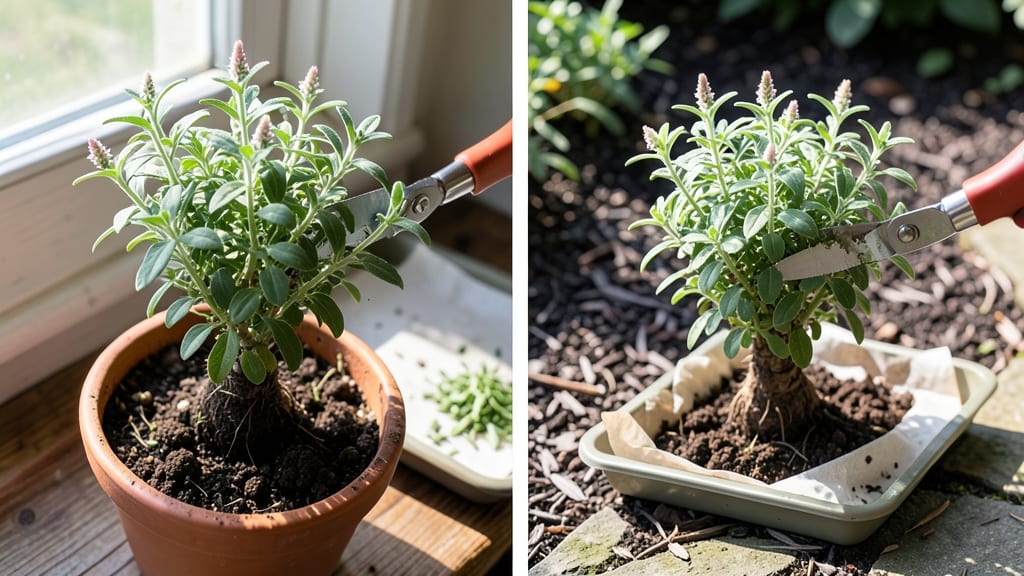
Pruning oregano isn't just about keeping it tidy—it's the secret to a bushier, more fragrant plant that keeps producing all season. 🌿 I used to let mine grow wild, only to end up with leggy stems and sparse leaves, but a few strategic cuts changed everything.
The right timing and technique transform oregano from a scraggly survivor into a dense, aromatic powerhouse.
You only need three things: sharp pruning shears, a sunny day (or overcast afternoon), and about 15 minutes of your time. The best time to prune is right after the first flush of new growth in early spring, or again in midsummer to encourage another round of bushiness.
Always cut just above a leaf node—never leave stubs—and avoid taking more than ⅓ of the plant at once.
What you'll get is a plant that stays compact, with thick, velvety leaves packed full of that signature oregano flavor. The more you prune, the more it branches out, creating a lush canopy that's perfect for snipping fresh herbs all season.
Plus, regular trimming keeps pests away and prevents woody stems that make harvesting difficult.
For long-term success, avoid pruning in fall or winter when the plant is dormant, and never cut into old, bare stems. If your oregano starts looking bare at the bottom, it's time to propagate those top cuttings—each one can grow into a new plant.
With this method, your oregano will thrive for years, producing more than you'll ever need.
📚 In This Guide
- What you need
- Instructions
- Tips and common mistakes
- Wrapping up and next steps
What you need
- ● Sharp pruning shears or scissors – Clean, sterilized (preferably with rubbing alcohol) to prevent disease. Size: Small-handled for precision (e.g., Felco F2 or similar).
- ○ Gloves (optional but recommended) – Nitrile or garden gloves to protect hands from thorns and oils.
- ● Disinfectant spray (70% isopropyl alcohol or hydrogen peroxide) – 1-2 sprays per cut to sterilize tools between plants.
- ● Small container or bucket – For collecting pruned stems (great for propagation or compost!).
- ○ Pruning saw (optional) – Only if dealing with woody, thick stems (rare for young oregano plants).
- ● Timing: Prune in early spring or after flowering (avoid heavy pruning in winter).
- ● Healthy plant: Ensure your oregano is free of pests/diseases before pruning.
- ● Sunlight access: Prune on a partly cloudy day to reduce stress on the plant.
- ● Watering: Water the plant 1-2 days before pruning (soil should be slightly moist).
- ● Hand lens or magnifying glass – To inspect stems for hidden pests or damage.
- ● Plant marker or labels – If propagating cuttings, label them by date!
- ● Compost bin or potting mix – For repurposing pruned stems.
Step-by-Step guide to pruning oregano for bushier growth
Here's how to transform your oregano into a lush, fragrant bush—no fancy tools required.
✂️ Step 1: Time Your Pruning for Peak Growth
Prune oregano in early spring right as new growth begins or after harvests in late summer. Avoid trimming in fall—this tender perennial needs time to harden off before winter. You'll know it's time when you see fresh, bright green shoots emerging from the base. These new stems are your signal to start shaping the plant.
Never prune when the plant is flowering unless you want to sacrifice flavor. The oils that give oregano its signature aroma develop during bloom, so wait until after flowers fade if you're harvesting for cooking. I usually make my final summer cut in mid-August to allow new growth before frost.
✂️ Step 2: Use the Right Tools for Clean Cuts
Grab sharp, sterilized pruning shears or scissors—dull blades crush stems and invite disease. Wipe tools with rubbing alcohol between cuts if working with multiple plants. I keep a small bottle in my gardening apron for quick sanitization. Avoid your kitchen scissors; their edges aren't designed for clean plant cuts.
Focus on cutting just above a leaf node (the point where leaves attach to the stem). This encourages branching, creating that signature bushy look. Make cuts at a 45-degree angle to prevent water from pooling on the stem. You'll see the difference immediately—pruned stems will thicken and produce more side shoots within weeks.
✂️ Step 3: Shape the Plant Strategically
Remove 1/3 of the plant's total height in one session to maintain vigor without shocking it. Start by trimming the longest, leggy stems first—they're stealing energy from the bushier parts. Cut these back to where you see healthy side branches emerging. This forces the plant to redirect its energy toward filling out rather than reaching upward.
For established plants, thin out overcrowded stems at the base to improve airflow. Good circulation prevents fungal issues like powdery mildew. You'll notice the center of the plant opens up, letting sunlight reach all the leaves. This is where that fragrant aroma really develops—sunlight triggers the essential oils.
🌿 Step 4: Encourage Bushier Growth Through Pruning
After your main cuts, look for weak or crossing branches—these compete for nutrients. Snip them away to give stronger stems room to grow. I like to leave 3-4 strong stems as the plant's framework, then let the side branches fill in naturally. This creates that perfect, dense oregano canopy you see in Mediterranean gardens.
Don't be afraid to get hands-on with stubborn stems. If a branch refuses to bud, pinch it off completely. The plant will respond by sending out new shoots from the base. You'll see these within 2-3 weeks if conditions are right—full sun, well-draining soil, and consistent water. This is where patience pays off; the more you prune correctly, the fuller your plant becomes each season.
💧 Step 5: Post-Pruning Care for Recovery
Water the plant deeply right after pruning to help it recover. The fresh cuts will temporarily increase water needs as the plant focuses on regrowth. I use a soaker hose to deliver moisture directly to the roots without wetting the leaves—this prevents fungal issues. You'll know you've watered enough when the top 2 inches of soil feel moist but not soggy.
Hold off on fertilizing for 2 weeks unless your soil is particularly poor. Pruned plants need time to establish new root growth before benefiting from extra nutrients. Instead, focus on keeping the area weed-free—competition for resources will slow down your oregano's recovery. With proper care, you'll see new growth within 3-4 weeks, proving your pruning paid off.
Tips & tricks for pruning oregano for bushier growth
Here's what nobody tells you about transforming your oregano into a fragrant powerhouse—these tricks make all the difference.
Timing is Everything: The early spring and late summer windows in Step 1 are non-negotiable for flavor and growth. I've learned this the hard way—pruning in fall can shock the plant before winter, while summer pruning after flowers fade preserves those essential oils that make oregano so aromatic. Mark your calendar for mid-August if you're harvesting for cooking.
Tool Precision Matters: Don't underestimate the difference between sharp pruning shears and kitchen scissors. In Step 2, those clean cuts at a 45-degree angle above leaf nodes aren't just about aesthetics—they prevent disease and encourage branching. I keep a small bottle of rubbing alcohol in my gardening apron specifically for this purpose, and it's saved me from multiple fungal issues over the years.
Visual Cues for Perfect Pruning: When shaping your plant in Step 3, look for these telltale signs: healthy side branches emerging from the base of leggy stems, and that signature bushy canopy opening up in the center. The plant's natural response to proper pruning is immediate—you'll see new shoots forming within weeks if you've cut at the right nodes.
Recovery Strategy: That 2-week wait before fertilizing in Step 5 isn't just arbitrary—it gives roots time to establish. I've seen plants struggle when fertilized too soon after pruning, so focus on deep watering and weed control instead. The top 2 inches of moist (but not soggy) soil is your target for proper recovery.
Pro Tips for Prune Oregano Plant
- Here's what nobody tells you about transforming your oregano into a fragrant powerhouse—these tricks make all the difference.
- Timing is Everything: The early spring and late summer windows in Step 1 are non-negotiable for flavor and growth.
- Tool Precision Matters: Don't underestimate the difference between sharp pruning shears and kitchen scissors.
Frequently asked questions
Got questions about pruning your oregano plant? You’re not alone! Here are some of the most common concerns—plus quick, actionable answers to keep your herb thriving.
When is the best time to prune oregano?
Prune oregano after it flowers in early summer or late spring, just before new growth begins. Avoid heavy pruning in fall or winter, as the plant needs energy to recover. Light trimming to shape can happen anytime, but major cuts should align with its natural growth cycle.
How much should I cut back?
Remove one-third to half of the plant’s growth in a single session to encourage bushiness. Focus on leggy stems or overcrowded areas. Never cut into woody, brown stems—always trim above a leaf node (where leaves meet the stem) to promote new shoots.
Can I prune oregano too much?
Yes! Over-pruning stresses the plant, reducing its ability to regrow. Stick to 2-3 pruning sessions per year and avoid cutting more than 50% of the foliage at once. If you see bare stems or slow regrowth, you’ve likely pruned too aggressively—scale back next time.
What if my oregano doesn’t grow back after pruning?
Check for these issues:
- Underwatering: Oregano is drought-tolerant but needs consistent moisture. Water deeply after pruning.
- Poor soil: Ensure well-draining soil with compost. Compacted or nutrient-poor soil stunts regrowth.
- Pests/disease: Inspect for aphids or fungal spots. Treat with neem oil or fungicide if needed.
Can I use pruned oregano stems for anything else?
- Dry the stems for homemade seasoning blends (hang upside down in a dark, dry place).
- Use fresh clippings in pesto, marinades, or homemade oil infusions.
- Propagate cuttings in water or soil to grow new plants—just root them in moist potting mix!
Wrapping up and next steps
Pruning your oregano plant isn’t just about keeping it tidy—it’s the secret to unlocking a thriving, fragrant, and bushier harvest! 🌿 By following the right techniques, you’ll encourage lush growth, prevent legginess, and ensure a steady supply of flavorful leaves for your favorite dishes.
Whether you’re a seasoned gardener or just starting out, a little strategic trimming goes a long way.
Now that you’re armed with the know-how, roll up your sleeves and give your oregano plant the care it deserves. Grab those shears, step outside, and watch your herb transform into a vibrant, productive powerhouse. Happy pruning—and may your kitchen always smell like a Mediterranean summer! 🌞