
Pruning
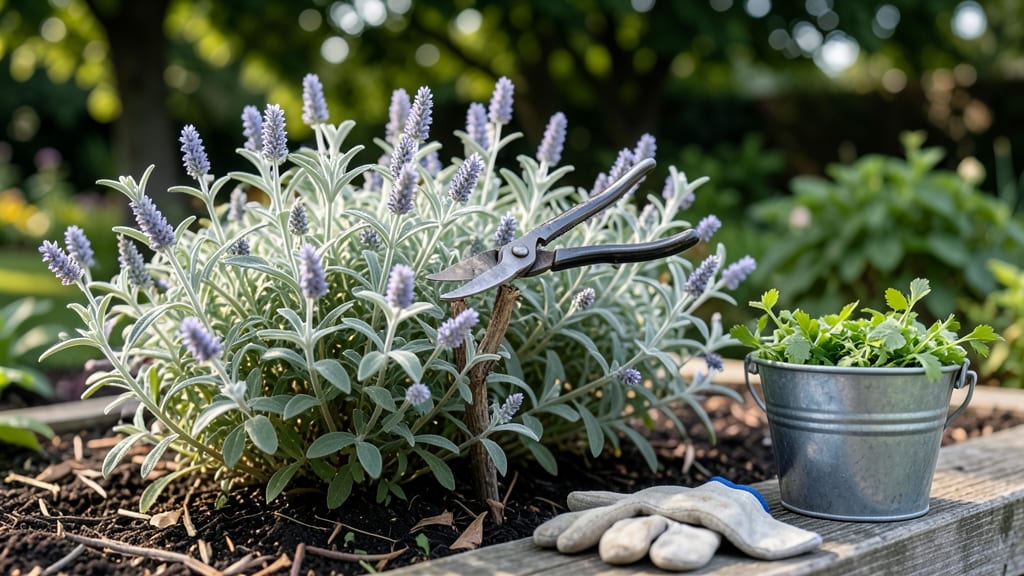
Summer pruning catmint transforms it from a floppy mess into a bushier, fragrant powerhouse—and the timing is everything. 🌿 I’ve learned that cutting back in mid-to-late summer (after the first flush of blooms) encourages a second wave of flowers while keeping the plant compact.
The key? Prune just above a set of leaves, never more than one-third of the plant at once, or you’ll shock it into dormancy. You’ll need sharp pruners, gloves (catmint can be scratchy), and a sunny afternoon.
The goal is to remove leggy stems and spent blooms, which redirects energy into fresh growth. I always prune after a rain when the soil is moist—it recovers faster that way. Within weeks, you’ll see new shoots with those signature lavender-blue flowers popping up everywhere.
What you end up with is a denser, more fragrant plant that keeps blooming until frost. The secret’s in the timing: too early, and you cut off flowers; too late, and you risk winter dieback.
My catmint now stays 3-4 feet tall instead of sprawling, and the scent is strong enough to fill my whole yard. Works for both Nepeta varieties and catmint cultivars like ‘Walker’s Low.’ Just avoid heavy pruning in fall—save that for early spring. Here’s exactly how to do it without mistakes.
📚 In This Guide
- What you need
- Instructions
- Tips and common mistakes
- Wrapping up and next steps
What you need
- ● Pruning shears: Bypass pruners (sharp, clean, and sterilized with rubbing alcohol to prevent disease). Quantity: 1 pair (for small plants) or 2 (for larger gardens).
- ● Hand pruners: Bypass or anvil-style (for finer cuts on delicate stems). Quantity: 1.
- ● Gloves: Garden gloves (nitrile or leather to protect from thorns and sap). Quantity: 1 pair.
- ● Disinfectant: Rubbing alcohol (70%+ isopropyl) or a garden disinfectant spray (to sterilize tools between cuts).
- ○ Trash bag or bucket: For collecting pruned stems (optional but handy for composting or disposal).
- ● Loppers: For thicker stems (if your catmint has woody growth). Quantity: 1.
- ● Pruning saw: For stubborn, thick branches (rare for catmint but useful for established plants).
- ● Hose or water spray bottle: To rinse tools or wet stems before cutting (reduces dust and sap).
- ● Plant food: Balanced fertilizer (10-10-10 or slow-release granules) to nourish catmint post-pruning. Quantity: As per package instructions.
- ● Mulch: Organic mulch (straw, shredded bark, or pine needles) to retain moisture and suppress weeds. Quantity: 2–3 inches for the plant base.
Step-by-step guide to pruning catmint in summer
Summer is the best time to shape your catmint—here's how to encourage lush, fragrant blooms all season.
✂️ Step 1: Time Your Pruning for Maximum Impact
Prune catmint in late spring to early summer, right after the first flush of flowers fades. This timing triggers bushier growth and prevents leggy stems. I like to wait until about one-third of the stems have bloomed—this ensures you're not cutting back too early and missing the first wave of flowers.
Never prune in mid-to-late summer unless you're dealing with dead or diseased stems. Cutting back too late can stunt new growth before winter. Watch for the first signs of spent blooms—those wilted flowers signal it's time to act.
✂️ Step 2: Use the Right Tools for Clean Cuts
Grab your sharp pruning shears (never dull scissors—they crush stems). Sterilize them with rubbing alcohol to prevent spreading disease. I cut just above a set of healthy leaves or a leaf node, making the cut at a 45-degree angle to encourage water runoff and prevent rot.
Avoid cutting into woody stems—focus on the softer, green growth. If you're pruning to shape, step back and visualize the plant's natural form. Catmint grows in a mounding habit, so aim for a rounded silhouette. Never remove more than one-third of the plant in a single session.
✂️ Step 3: Deadhead and Thin for Airflow
Start by deadheading—snip off faded flower spikes at the base. This redirects the plant's energy into new blooms instead of seed production. I work my way around the plant, removing spent flowers systematically to avoid missing any.
Next, thin out crowded stems to improve airflow. Focus on the innermost growth where stems cross or rub against each other. This prevents fungal issues and keeps the plant looking fuller. Leave the strongest, healthiest stems—these will produce the most flowers.
💧 Step 4: Water and Fertilize After Pruning
Give your catmint a deep watering right after pruning to help it recover. Water at the base, avoiding the foliage to prevent fungal diseases. I like to water in the early morning so the plant can dry out during the day.
Apply a balanced, slow-release fertilizer (like 10-10-10) to support new growth. Follow the package instructions—over-fertilizing can lead to soft, leggy growth. Mulch around the base with 2-3 inches of organic mulch to retain moisture and suppress weeds.
☀️ Step 5: Monitor and Repeat for Continuous Blooms
Keep an eye on your catmint over the next few weeks. New growth should appear within 7-10 days. If you notice any leggy stems, pinch back the tips to encourage bushier growth. I repeat the deadheading process every 2-3 weeks to keep flowers coming.
By late summer, you can do a light cleanup prune—trim back any overly long stems to maintain shape. Avoid heavy pruning after mid-August, as this can reduce hardiness for winter. With proper care, your catmint will reward you with fragrant, long-lasting blooms all season.
Tips & tricks for pruning catmint in summer
Took me a while to figure these out, so here goes—your catmint will thank you.
Timing Secret: The late spring to early summer window is critical because catmint grows most vigorously when days are long and warm. If you prune too early, you'll miss the first flush of flowers; too late, and you risk stunting new growth before winter. Here's the thing: I've found that pruning when about one-third of stems have bloomed gives the best balance—enough flowers to enjoy while still encouraging bushier growth. Mark your calendar for when those first wilted blooms appear!
The Technique That Changed Everything: When making those 45-degree cuts in Step 2, I now use a small mirror to check the angle—it's easier to visualize than just eyeballing it. This small trick prevents water from pooling at the cut site, which dramatically reduces the risk of rot. And remember: always sterilize your tools! I keep rubbing alcohol in my gardening toolkit for quick cleanups between cuts on different plants.
Deadheading Strategy: I've learned that systematic deadheading—working in a spiral pattern from the outside in—helps me spot every spent bloom. This method also makes it easier to see where new growth is emerging. For catmint, I aim to deadhead every 2-3 weeks, but I check weekly during peak bloom season. The key is consistency—those spent flowers won't redirect energy to new blooms if they're left hanging around.
Post-Pruning Recovery: That deep watering after pruning is non-negotiable. I've seen plants wilt dramatically when skipped, especially in hot weather. For extra insurance, I water again 3-4 days later to establish strong root growth. And here's what nobody tells you—after fertilizing, I always give the soil a light scratch with my fingers to help the granules make contact with the roots.
Pro Tips for Prune Catmint In Summer
- Took me a while to figure these out, so here goes—your catmint will thank you.
- Timing Secret: The late spring to early summer window is critical because catmint grows most vigorously when days are...
- The Technique That Changed Everything: When making those 45-degree cuts in Step 2, I now use a small mirror to check ...
Frequently asked questions
Got questions about summer pruning for your catmint? We’ve got answers! Here are some of the most common concerns—plus quick tips to keep your plants thriving.
When is the exact best time to prune catmint in summer?
Prune catmint after the first flush of spring blooms (late May–June) and again lightly in early summer (July) to encourage bushier growth. Avoid pruning during peak flowering (July–August) unless deadheading spent blooms—this preserves energy for next year’s blooms. Think of it as a two-step trim: first for shape, second for maintenance!
How much should I cut back—will I ruin my plant?
Never prune more than 1/3 of the plant’s height at once! For established catmint, aim to trim back just above a set of healthy leaves (about 1–2 inches). Over-pruning stresses the plant, but a light, strategic cut promotes denser foliage and more blooms. Pro tip: Use sharp shears to avoid jagged edges that invite pests!
What if I prune too late in summer—will my catmint survive?
Pruning in late August or September can stunt new growth, but don’t panic! If you’ve already pruned, focus on watering deeply and fertilizing lightly (use a balanced 10-10-10) to help recovery. Catmint is hardy—it’ll bounce back for next year, though blooms may be lighter. Prevention tip: Mark your calendar for early summer pruning to avoid this!
Can I prune catmint in summer if it’s in a container?
Container-grown catmint benefits even more from summer pruning since roots are confined. Trim 1/3 of the height and pinch back leggy stems to encourage compact growth. Bonus: Refresh the soil with compost after pruning to replenish nutrients. Just ensure your pot has drainage—catmint hates soggy roots!
Why does my catmint look leggy after pruning?
Leggy growth often means too much shade or not enough pruning earlier in the season. To fix it:
- Move the plant to full sun (6+ hours/day).
- Trim back only the longest stems to encourage branching.
- Avoid fertilizing heavily—catmint prefers lean soil!
Wrapping up and next steps
Pruning catmint in summer isn’t just about keeping your garden tidy—it’s your secret weapon for lush, fragrant blooms all season long! 🌿 By following these simple steps—like deadheading spent flowers, trimming leggy stems, and avoiding over-pruning—you’ll encourage thicker growth and a longer display of those beloved lavender hues.
Your hard work will pay off with a showstopping garden that hums with pollinators and charm.
Ready to take your catmint game to the next level? Grab your pruners and schedule a quick maintenance session this week—your future blooms will thank you! For extra tips, check out our guide on seasonal pruning or tag us in your garden transformations. Happy pruning! ✂️💜