
Pruning
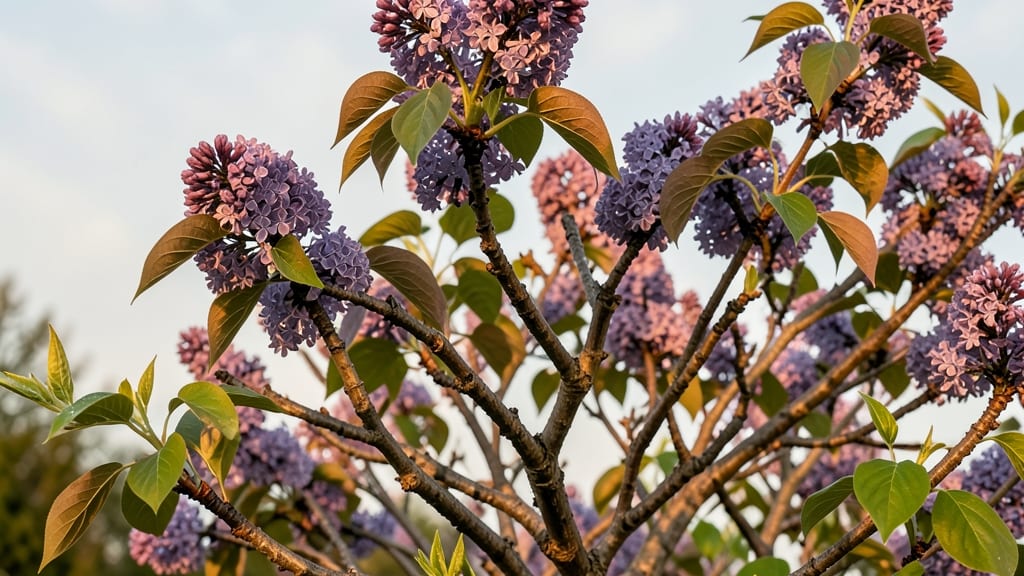
Spring is the perfect time to refresh your garden by pruning plants that thrive with strategic trimming. These 10 essential plants benefit most from early-season pruning to boost blooms, improve airflow, and prevent disease before summer’s heat arrives.
Hydrangeas for Fuller Summer Blooms
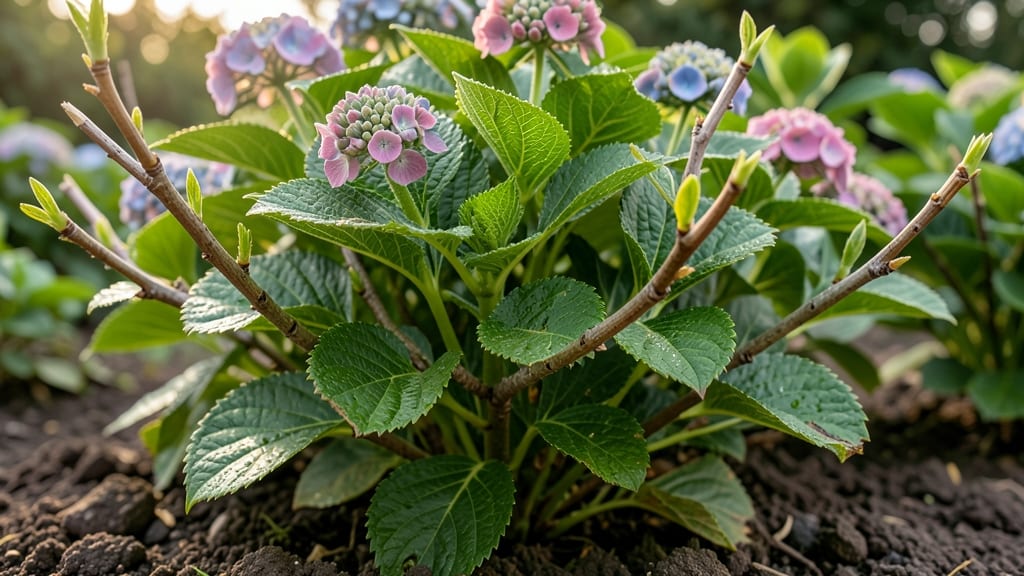
Want hydrangeas that burst with color and size this summer? Pruning now is your secret weapon for bigger, more vibrant blooms—especially for bigleaf and panicle varieties. This is the perfect time to shape your plants before new growth begins, ensuring they put energy into show-stopping flowers instead of filling out foliage.
For bigleaf hydrangeas, cut back last year’s flower stems (the ones with blooms) to just above the first set of leaves or buds. This encourages new stems that will produce larger clusters. Panicle hydrangeas can be pruned more aggressively—cut back up to one-third of the plant to stimulate bushier growth. Always use clean, sharp pruners to avoid damaging stems, and remove any dead or weak branches first.
This pruning strategy is ideal for gardeners who love dramatic floral displays and want to maximize their hydrangea’s potential. The effort now pays off with fuller, healthier blooms that last all summer. ✨
Roses to Prevent Crowding and Disease
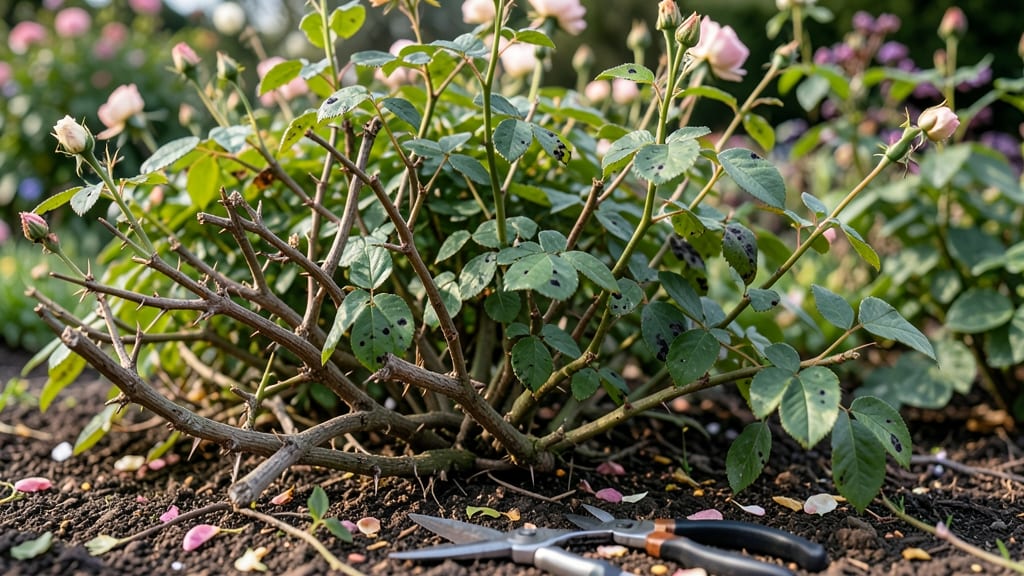
If your roses look crowded or their leaves are dotted with black spots, spring pruning is your secret weapon. This isn’t just about shaping—it’s about preventing disease by improving airflow and sunlight penetration to the center of the bush.
Start by removing dead, diseased, or crossing branches at a 45-degree angle just above an outward-facing bud. Thin out crowded stems to create space, and avoid cutting back more than one-third of the plant’s height. Use sterilized pruners to prevent spreading fungus, and focus on hybrid teas and floribundas first—they respond best to this early-season trim.
This simple step keeps your roses healthier, blooming longer, and far less prone to black spot. It’s especially valuable for gardeners who’ve battled fungal issues before—your future self will thank you! 🌻
Lavender for Bushier Growth
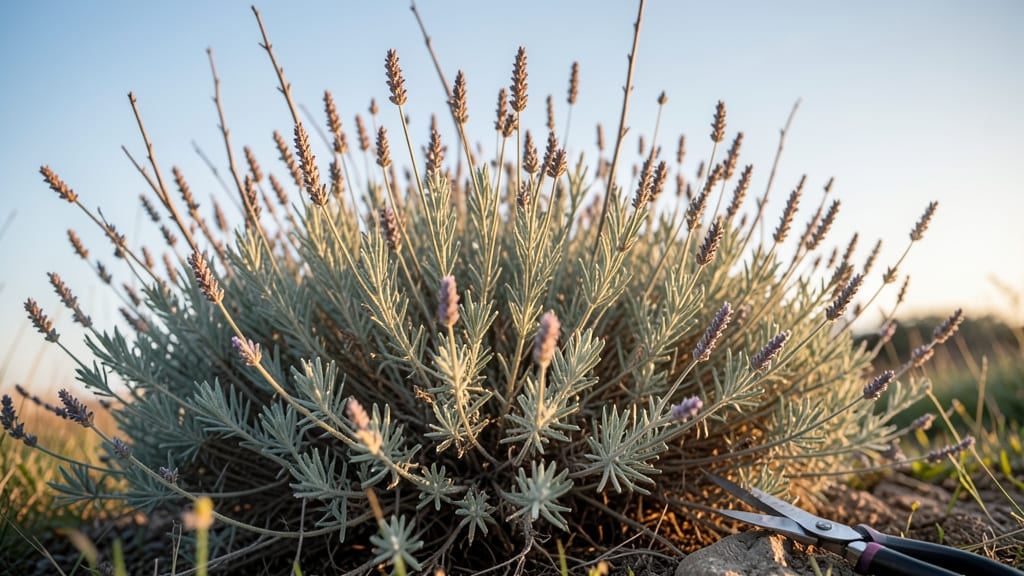
If your lavender looks sparse or leggy, a little spring pruning can transform it into a lush, fragrant bush. Unlike other plants, lavender thrives on light trimming—just one-third of the plant’s height—to encourage dense, bushier growth and prevent woody stems that make it look overgrown.
Use clean, sharp pruners to trim back the previous year’s growth just above the woody base in early spring, before new shoots appear. Avoid cutting into old wood, as lavender struggles to regrow from there. This method also keeps your plant drought-tolerant and fragrant for years to come.
Perfect for herb gardeners and low-water landscapes, this simple task ensures your lavender stays compact, vibrant, and full of those signature calming scents. 💚
Hibiscus to Encourage Stronger Stems
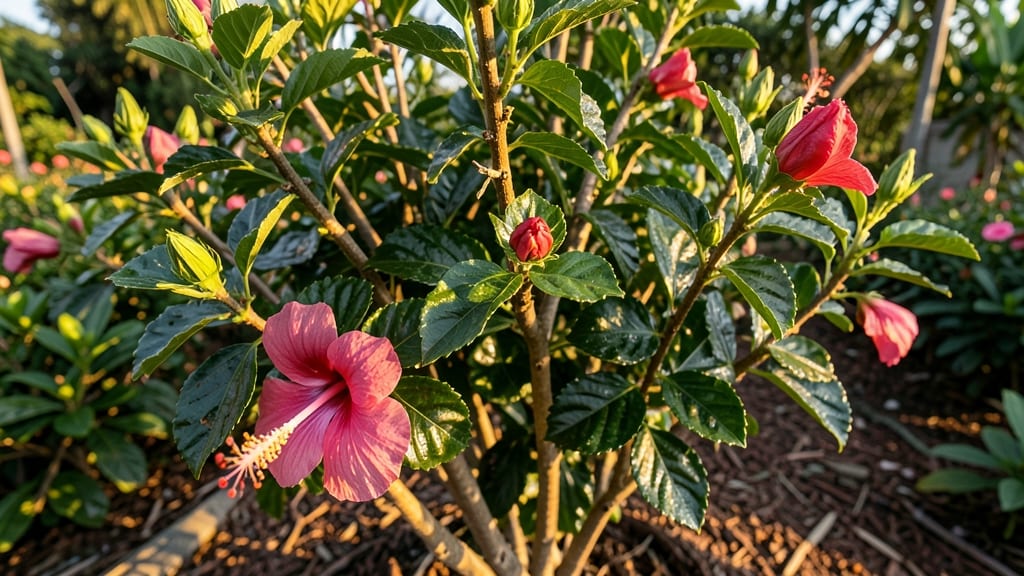
Want tropical drama in your garden with minimal effort? Pruning hibiscus now is your secret weapon—it forces plants to grow taller, stronger stems that support those showstopping summer blooms. This is especially powerful for gardeners in warm climates where hibiscus thrives year-round.
Use clean, sharp pruners to cut back one-third of the plant’s height in late winter or early spring, just as new growth begins to sprout. Focus on removing any dead or weak branches while leaving the sturdiest stems intact. For tropical varieties, this encourages bold, upright growth that stands up to summer storms and heavy flowers.
This method works wonders for gardeners who love high-impact flowers but struggle with floppy stems. Just a few minutes of pruning now means months of sturdy, vibrant blooms—perfect for containers, borders, or tropical-themed landscapes. 🌻
Ornamental Grasses for Neat Appearance
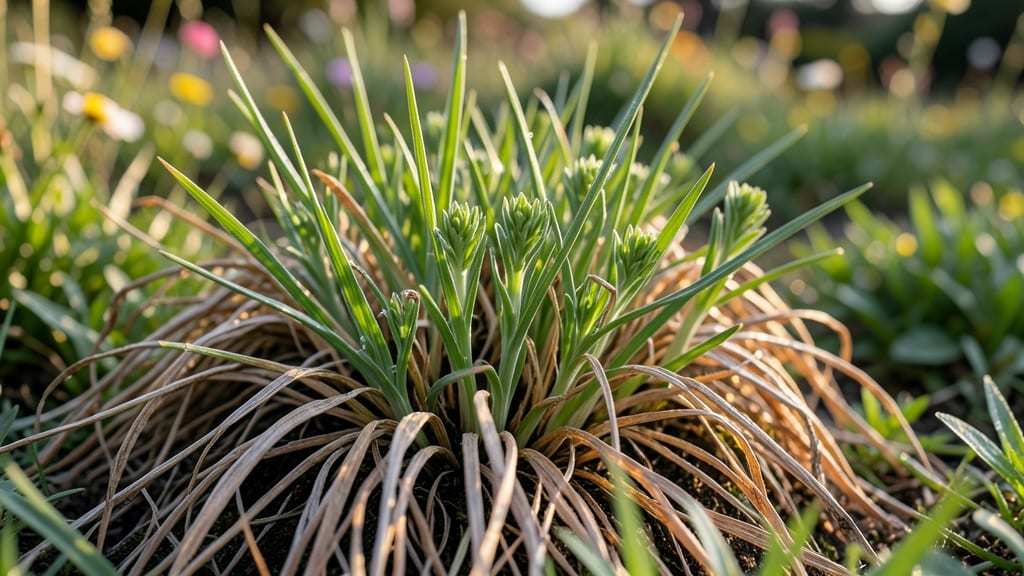
If your garden feels a little wild after winter, ornamental grasses are the easy fix you’ve been waiting for. A quick trim in spring removes last year’s dead fronds—those brown, tangled stalks—while leaving the new green growth untouched. This simple step keeps your grasses looking polished without the fuss of constant upkeep.
Use sharp pruners or shears to cut back dead fronds at ground level in late winter or early spring, just as new shoots begin to emerge. For varieties like feather reed grass or maiden grass, this prevents them from looking ragged and encourages fresh, vibrant foliage. Since grasses don’t need heavy pruning, this task takes just minutes per plant—ideal for busy gardeners.
This low-effort method is perfect for urban gardeners, small-space growers, or anyone who wants a neat, modern look with minimal work. Plus, the new growth will sway beautifully all season long. 🌻
Fruit Trees for Better Yield
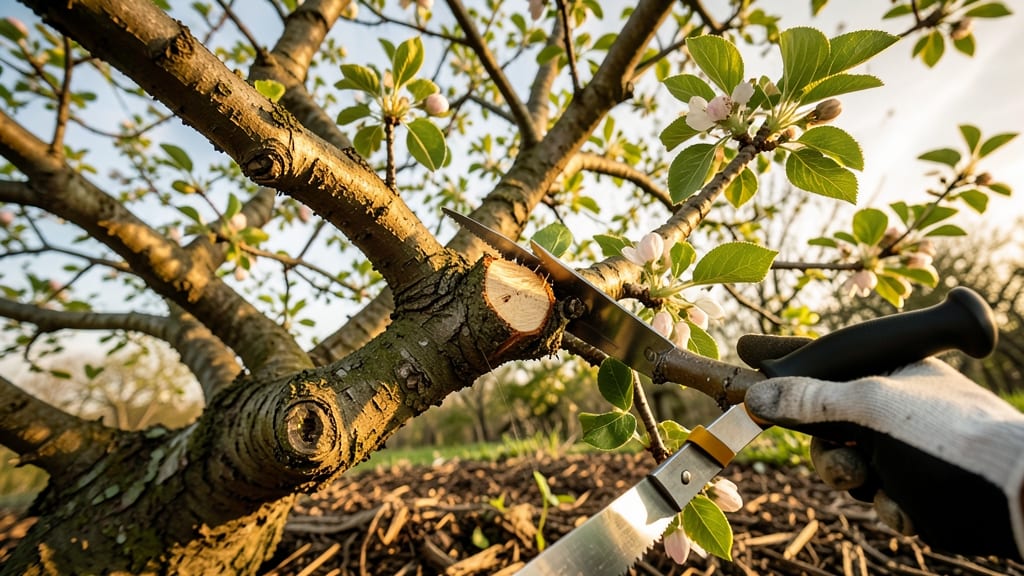
Spring is your golden opportunity to transform fruit trees into high-yielding powerhouses—just by shaping them now. Unlike ornamental pruning, this is about directing energy toward fruit production, not just aesthetics, and it works for everything from apple trees to peach trees.
Focus on removing suckers (shoots growing from the base) and water sprouts (vertical shoots from branches), as these drain energy from fruit development. For dwarf varieties, open the canopy by thinning crowded branches to improve sunlight penetration—critical for sweet, flavorful fruit. Use sharp pruners to make clean cuts just above outward-facing buds, and avoid heavy pruning if buds are already swelling.
This method pays off big for home orchardists and small-space gardeners, as it reduces ladder needs and makes harvesting easier. With proper pruning now, you’ll enjoy larger harvests and fewer pests next season. 🌟
Boxwood for Compact Shape
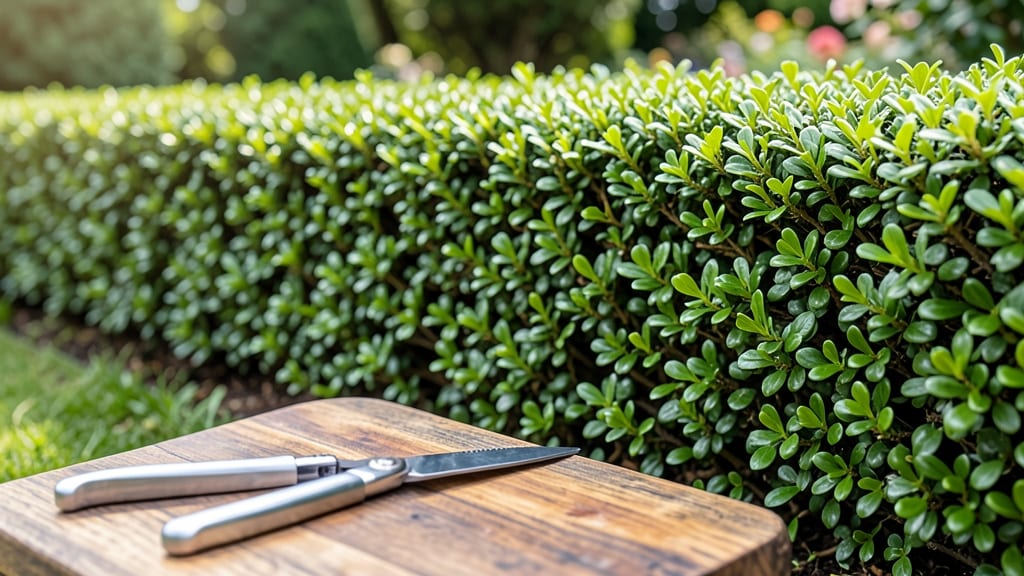
If you crave a garden with crisp, clean lines and polished edges, boxwood is your go-to shrub. This evergreen staple thrives with light spring pruning, which not only maintains its signature compact shape but also encourages lush, dense foliage that stays vibrant year-round.
Use sharp, clean shears to trim back any overgrown branches by about one-third—focus on shaping the outer edges first. Avoid heavy pruning, as boxwood responds best to gradual shaping. For hedges, trim frequently throughout spring to maintain uniformity, while standalone shrubs benefit from a single light trim every 4-6 weeks. This approach keeps your boxwood looking manicured while preventing leggy growth.
Perfect for formal gardens, topiary designs, or as a foundation plant, boxwood’s versatility makes it a favorite for gardeners who love structure. With minimal effort, you’ll achieve a polished look that enhances any landscape. ✨
Clematis Vines for Stronger Blooms
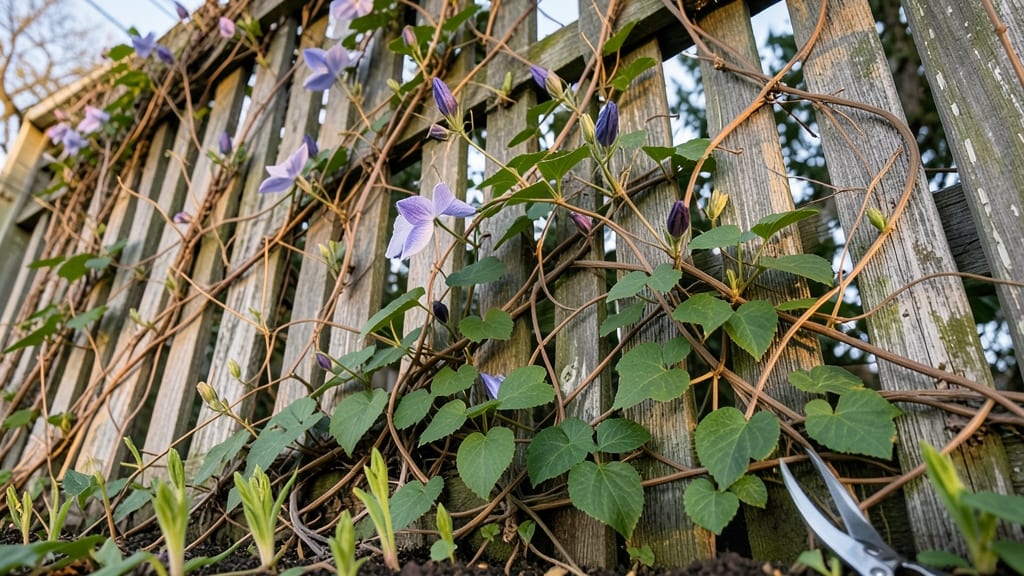
If your clematis vines are looking sparse or leggy, now is the time to transform them into a blooming powerhouse. These vertical stars need strategic pruning to prevent weak, sprawling growth and redirect energy into more abundant flowers—especially for varieties like Jackmanii or Nelly Moser.
Start by removing any dead or damaged stems, then cut back last year’s growth to a strong pair of buds. For spring-blooming types, prune lightly to avoid cutting off potential blooms, while late-summer/fall bloomers can be pruned more aggressively. Always leave at least 3-5 buds on each stem to ensure new growth. This approach keeps vines compact and encourages a second flush of blooms later in the season.
Vertical gardeners and trellis enthusiasts will love how this simple step transforms rambling vines into a structured, flower-filled focal point. With the right timing, your clematis will reward you with showstopping blooms all season. ✨
Oleander for Healthier Foliage
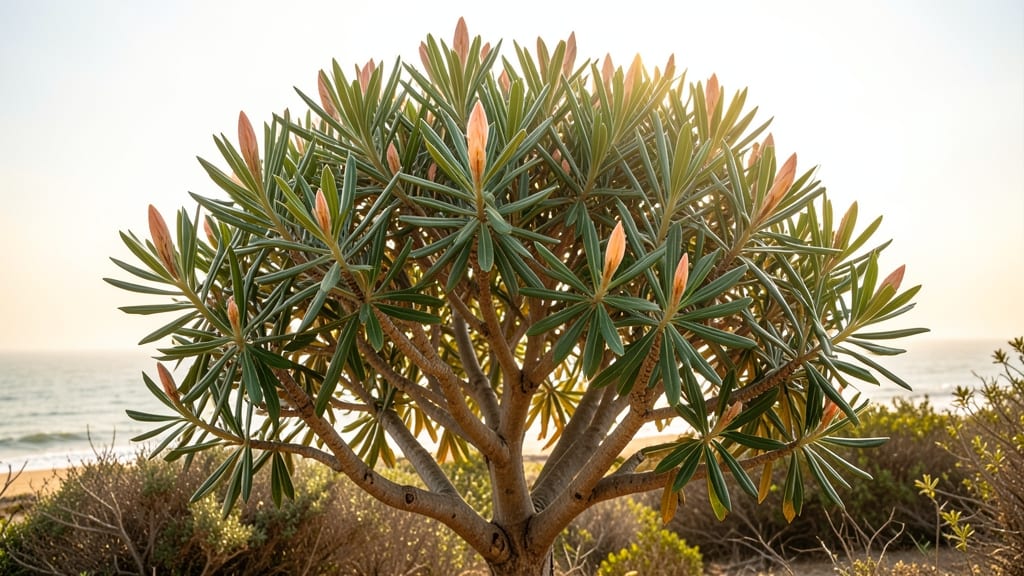
If your garden thrives in coastal climates or warm zones, oleander is a standout shrub that rewards spring pruning with thicker, disease-resistant branches and lush foliage. This evergreen beauty thrives in USDA zones 7-11 and handles salty air, making it perfect for seaside landscapes.
Trim back leggy or weak stems by up to one-third in early spring before new growth emerges. Focus on removing crossing branches and dead wood to improve airflow, which reduces fungal diseases like powdery mildew. Oleander blooms on new wood, so pruning now won’t sacrifice flowers—just expect more vibrant blooms later in the season.
Coastal gardeners and warm-climate enthusiasts will love how this low-maintenance shrub stays healthy with minimal effort. Just remember: wear gloves when pruning, as all parts of oleander are toxic if ingested. 🌻
Shrubs Like Lilac for Renewed Growth

Older shrubs like lilac often look tired by early spring, but a strategic pruning session now can transform them into vibrant, blooming powerhouses. The key is timing—prune just after the first flush of blooms fades but before new growth hardens, typically in late spring for most varieties.
Focus on removing one-third of the oldest stems at the base, cutting just above an outward-facing bud. This encourages fresh growth from the center while maintaining the shrub’s natural shape. Lilacs thrive with this approach, producing more abundant flowers the following year. For gardeners with mature landscaping, this method rejuvenates plants that might otherwise decline.
This technique works wonders for other spring-blooming shrubs like forsythia or deutzia, making it a game-changer for gardeners who want to refresh their landscape without replacing plants. 🌷