
Trees
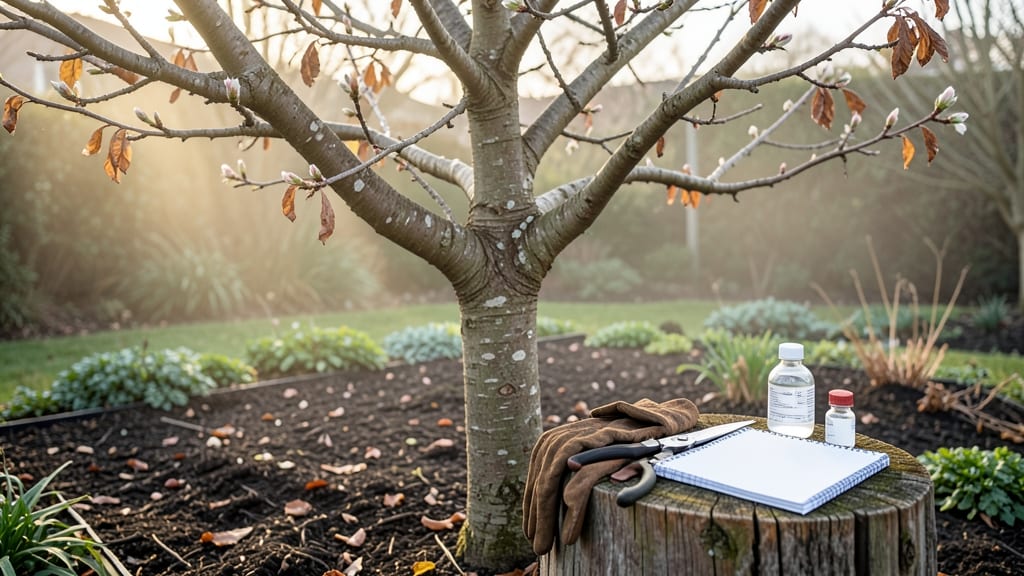
Pruning peach trees in Georgia during late winter ensures healthy fruit growth and sets the stage for a bountiful harvest 🍑.
Georgia’s humid climate and hot summers demand precise timing—or risk stunted fruit growth, disease, or even tree death. Prune at the wrong time, and you could sacrifice next year’s harvest before it even begins.
In USDA Zones 7b-8b, the ideal window is late February to early March, just before buds swell but after the worst frost danger has passed. This timing balances disease prevention with the tree’s natural dormancy cycle.
Below, I’ll walk you through the exact steps, tools, and post-pruning care to keep your 🍑 peach tree thriving—and avoid the five mistakes that derail Georgia growers every year.
Best late winter pruning window for Georgia peach trees (and why timing matters)
Georgia’s peach trees thrive when pruned during their dormant season, but timing is everything. The late winter window—specifically late February to early March—aligns perfectly with Georgia’s USDA Zones 7b-8b frost cycles.
This period ensures your tree wakes up strong without inviting silver leaf fungus or other diseases that lurk in Georgia’s humid air.
Pruning too early—before the last expected frost—can shock your tree, leaving it vulnerable to cold damage. Waiting too long risks encouraging uncontrolled spring growth that weakens fruit production. The 2-3 week window gives you flexibility while keeping your tree healthy and productive for next season’s harvest.
Here’s why this timing works: Georgia’s dormant peach trees have already shed leaves and stopped active growth. Their buds remain tightly closed, meaning they won’t sprout new leaves prematurely.
This dormant state makes pruning less stressful for the tree and allows you to reshape the canopy without triggering unnecessary stress.
| Timing Factor | Georgia-Specific Details | Why It Matters |
|---|---|---|
| Dormancy Stage | Late February to early March (buds closed) | Prevents premature leaf growth that weakens tree |
| Last Frost Date | Mid-March (varies by county) | Avoids cold damage to fresh cuts |
| Humidity Risk | High in Georgia’s spring | Reduces silver leaf fungus spread |
| Ideal Air Temp | 45°F to 60°F (7°C to 15°C) | Encourages clean, fast healing of cuts |
| Post-Pruning Care | Apply wound sealant if cuts > ½ inch | Prevents bacterial entry in humid climate |
To confirm your peach tree is truly dormant, check for closed buds and bare branches. If you see any green tips or swelling buds, wait another 1-2 weeks. In Georgia’s climate, February 20th to March 10th is my sweet spot for pruning—it balances frost risk with humidity concerns.
One common mistake I see in Georgia gardens is pruning too aggressively during this window. Remember: never remove more than 25% of the canopy in one season.
Peach trees are semi-dwarf varieties that need their structure to support heavy fruit loads. Focus on removing dead wood and thinning crowded branches to improve airflow.
After pruning, sterilize your tools with rubbing alcohol to prevent spreading bacterial canker, a common Georgia problem. Then, water deeply to help the tree recover. Avoid fertilizing immediately—wait until bud break in early spring to give your tree time to heal without encouraging new growth.
If you miss this window, don’t panic. You can still prune in early spring (March-April) but expect slower healing and slightly reduced fruit yield. The key is to never prune after buds swell—that’s when your tree starts putting energy into leaves instead of fruit.
Pro tip: Mark your calendar for February 28th each year as your target date. Georgia’s variable frost patterns mean this gives you a buffer to adjust based on local weather forecasts. With this timing, your peach tree will reward you with bigger, healthier fruit and fewer disease issues.
🌱
Step-by-step pruning guide: how to shape peach trees for maximum fruit yield
Pruning your peach tree in Georgia isn’t just about shaping—it’s about boosting fruit production while keeping diseases like silver leaf fungus at bay. Georgia’s humid summers mean pruning too late can trap moisture in cuts, creating perfect conditions for pathogens.
The key? Open the canopy for airflow and focus on removing dead wood first.
Before grabbing your tools, gather these essentials: bypass pruners for branches under ½-inch thick, loppers for ½- to 2-inch branches, and a pruning saw for anything thicker.
Don’t forget rubbing alcohol to sterilize tools between cuts—this is critical in Georgia’s wet climate to prevent spread of bacterial canker.
Step-by-Step Pruning Process for Georgia Peach Trees
-
Step 1: Remove Dead or Diseased Wood
Cut out dead branches and those with fungal spots or cankers down to healthy wood. Look for brown, brittle wood or branches with peeling bark. -
Step 2: Thin Overcrowded Branches
Select 3-5 main scaffold branches (large, outward-facing branches) and remove competing vertical shoots. Aim for a vase-shaped canopy to improve sunlight penetration. -
Step 3: Open the Canopy for Airflow
Cut back crossing branches and suckers (shoots growing from the base). In Georgia’s humidity, open centers reduce fungal diseases like leaf spot. -
Step 4: Head Back Last Year’s Growth
Shorten last year’s growth by ⅓ to ½ to encourage fruit-bearing spurs. Make cuts just above a bud or branch collar, never flush with the trunk. -
Step 5: Clean Up and Sterilize
Rake up and dispose of prunings (don’t compost diseased wood). Wipe tools with rubbing alcohol to prevent pathogen spread.
When making cuts, always aim for the branch collar—the swollen area where the branch meets the trunk. Cutting flush with the trunk creates wounds that heal poorly and invite infections.
For larger branches, use the three-cut method: Undercut, top-cut, and finish just outside the collar. This prevents tearing and splitting.
Georgia’s late winter pruning window (late February to early March) is ideal because the tree is dormant, and you can see winter damage clearly. Avoid pruning in fall—new growth can’t harden off before freezes, and spring pruning risks bloom loss or fruit reduction.
After pruning, apply a 2-inch layer of mulch around the base to retain moisture and suppress weeds.
Watch for water sprouts (fast-growing vertical shoots) throughout the year—these steal energy from fruit production. Remove them as soon as they appear, cutting them at the base. With proper pruning, your peach tree will reward you with bigger, healthier fruit and fewer disease issues in Georgia’s challenging climate. 🍑