
How To
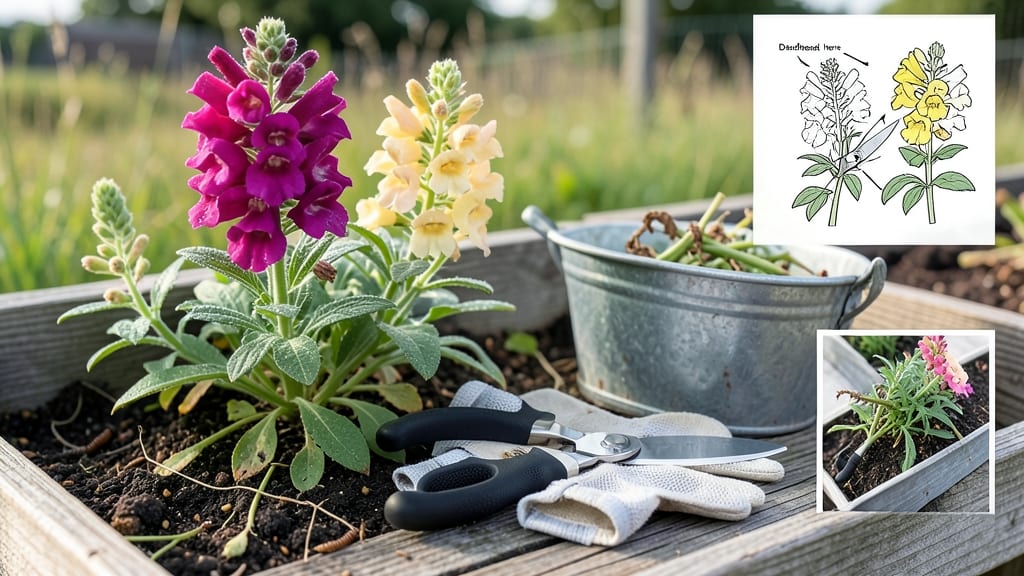
Pruning snapdragons isn't just about cutting back—it's the secret to taller spikes and longer blooms all season. ✂️ I used to let mine flop over by mid-summer, but a few simple cuts changed everything. The right timing and technique keep them bushy, fragrant, and flowering until frost.
Start by snipping spent blooms at the base to encourage new flowers—this alone can extend your display by 4-6 weeks. For leggy plants, cut back the tallest stems by half in early summer to promote branching. Avoid heavy pruning after midsummer, or you’ll delay fall blooms.
Sharp, clean cuts prevent disease, and a quick rinse with rubbing alcohol keeps your tools ready for the next stem.
📚 In This Guide
- What you need
- Instructions
- Tips and common mistakes
- Wrapping up and next steps
What you need
- ● Bypass pruners – Sharp, clean pruners (1 pair) with 1/4-inch to 3/8-inch blade capacity to make precise cuts without crushing stems.
- ● Hand pruners or shears – For smaller stems or deadheading (1 pair, 5-inch blade recommended).
- ● Garden gloves – Lightweight, breathable gloves (1 pair) to protect hands from thorns or sap.
- ● Disinfectant (70% isopropyl alcohol or bleach solution) – To sterilize tools (small bottle or spray).
- ○ Pruning saw (optional) – For thick, woody stems (if dealing with mature, overgrown plants).
- ● Garden twine or plant ties – To secure heavy blooms (small roll, 1/8-inch width).
- ● Compost bin or bag – For removing pruned debris (1 small bin or biodegradable bag).
- ○ Plant growth regulator (optional) – To slow excessive growth (follow label instructions for snapdragons).
- ● Plant marker or labels – To track pruned varieties (if growing multiple types).
- ● Hose or watering can – For post-pruning hydration (especially in dry climates).
- ● Sunhat and sunscreen – For long outdoor sessions (if pruning in peak sun).
Step-by-Step instructions for pruning snapdragons
Here's how to keep your snapdragons thriving with simple, seasonal pruning that boosts both blooms and fragrance.
🌿 Step 1: Deadhead Spent Blooms Regularly
Snapdragons produce flowers along vertical spikes, so deadheading isn't about removing whole stems—it's about trimming individual spent blooms. Use clean, sharp pruners to snip just above the first set of leaves below each faded flower. This redirects energy to lower buds, encouraging a continuous cascade of blooms.
The key is timing: remove flowers immediately after they wilt, but never cut into green tissue. You'll notice new buds forming within 7-10 days along the same stem. For heavily fragrant varieties like 'Black Knight', this step preserves their signature scent while prolonging the flowering season.
✂️ Step 2: Thin Overcrowded Stems in Early Spring
After winter dormancy, snapdragons often produce multiple stems from a single crown. In early spring, when new growth reaches 2-3 inches, thin the plant to 3-4 of the strongest stems per clump. Cut the remaining stems at the base with clean pruners to prevent disease entry.
This prevents competition for nutrients and ensures each remaining stem develops into a sturdy, fragrant spike. Watch for stems with deep green leaves and compact growth—these are your keepers. Avoid leaving stems that appear weak or leggy, as they'll never produce quality blooms.
☀️ Step 3: Cut Back Leggy Growth After First Flush
If your snapdragons stretch toward light with sparse leaves and long internodes, they're telling you they need more light or a pruning reset. After the first major flowering cycle, cut back the entire plant by one-third using sharp pruners. This stimulates bushier growth and prevents the stems from becoming woody.
Leggy growth usually appears when plants receive less than 6 hours of sunlight daily or when crowded. After pruning, water deeply and move the plant to a sunnier location. You'll see fresh, compact growth within 2 weeks, followed by a second round of blooms that lasts 4-6 weeks longer than unpruned plants.
⏰ Step 4: Prepare for Winter Dormancy in Late Fall
When nighttime temperatures drop below 40°F, snapdragons enter dormancy. At this point, cut back the entire plant to 2-3 inches above the ground. This prevents winter moisture from rotting the stems while preserving the crown. Remove all debris from the planting area to reduce disease risk.
Mulch the base with 2-3 inches of organic matter (like shredded leaves or straw) to insulate the crown through winter. In USDA Zones 5-7, this protection ensures the plant survives to regrow in spring. If you're in a colder zone, consider container-growing for easier winter protection.
🌱 Step 5: Revitalize Old Plants in Mid-Season
By mid-summer, even well-maintained snapdragons may show signs of fatigue—yellowing leaves, fewer blooms, or floppy stems. To rejuvenate, give the plant a light trim by cutting back one-third of the oldest stems at the base. This encourages new growth from the crown and extends the flowering season.
Follow up with a balanced fertilizer (low in nitrogen) to support the renewed growth. You'll often see new side shoots emerging within 10-14 days, each capable of producing fresh blooms. This mid-season reset is especially valuable for snapdragons grown as annuals, as it maximizes their potential before frost.
Tips & tricks for perfect snapdragon pruning
These seasoned strategies will help you maintain vibrant, fragrant snapdragons all year long—without the guesswork.
Tool Prep Matters: Always sterilize your pruners with rubbing alcohol between cuts to prevent disease spread. I learned this the hard way after losing a batch of plants to fungal infections from contaminated tools. Sharp pruners also make cleaner cuts that heal faster, so invest in a good pair—your snapdragons will thank you with healthier growth.
Seasonal Timing Secret: The 7-10 days window for new buds to form after deadheading is your best friend for continuous blooms. Mark your calendar when you first deadhead—this helps track when to expect the next flush of flowers. For varieties like 'Black Knight', this timing preserves their signature fragrance while extending the flowering season by weeks.
Light and Growth Reset: When you notice leggy growth in Step 3, it's not just about pruning—it's about light. Move your snapdragons to a sunnier spot immediately after cutting back. The 2 weeks it takes for fresh growth to appear is worth it for that second round of blooms lasting 4-6 weeks longer than unpruned plants. Think of it as a growth reboot for your plants.
Winter Protection Wisdom: That 2-3 inches of organic mulch in Step 4 isn't just decoration—it's insulation. For container-grown snapdragons in colder zones, wrap the pots in bubble wrap or move them to a sheltered location. The crown needs to stay above freezing (40°F) to survive winter and regrow in spring. I've seen snapdragons come back year after year with proper winter care!
Pro Tips for Prune Snapdragons
- These seasoned strategies will help you maintain vibrant, fragrant snapdragons all year long—without the guesswork.
- Tool Prep Matters: Always sterilize your pruners with rubbing alcohol between cuts to prevent disease spread. I learn...
- Seasonal Timing Secret: The 7-10 days window for new buds to form after deadheading is your best friend for continuou...
Frequently asked questions
Got questions about keeping your snapdragons thriving with the right pruning? Here are some of the most common concerns—and their answers—to help you grow lush, long-lasting blooms all season!
When is the best time to prune snapdragons?
Prune snapdragons after flowering to encourage new growth, but avoid cutting back too late in the season. For annuals, prune lightly in early summer and again after the first flush of blooms. For perennials, prune in late fall or early spring before new growth starts. Never prune during frost or extreme heat.
How much should I cut back snapdragons?
For annuals, trim spent blooms down to the first set of leaves or buds. For perennials, cut back one-third of the plant after flowering to maintain shape and encourage bushiness. Avoid over-pruning—leave at least half the plant intact to support regrowth.
Can I prune snapdragons too much?
Yes! Over-pruning stresses the plant, leading to stunted growth or no new blooms. Stick to light, strategic cuts—never remove more than 30% of the foliage at once. If you’ve already pruned too much, reduce watering slightly and fertilize lightly to help recovery.
What if my snapdragons don’t bloom after pruning?
If blooms are slow to return, check for nutrient deficiencies (fertilize with a balanced 10-10-10) or overcrowding (thin plants if needed). Also, ensure they get 6+ hours of sunlight daily—snapdragons need plenty of light to rebloom. Deadhead faded flowers regularly to redirect energy to new growth.
Can I prune snapdragons in cold weather?
No—wait until spring (after the last frost) for perennials or avoid pruning annuals in winter. Cold snaps can damage tender stems and invite disease. If pruning is urgent (e.g., storm damage), do it on a warm, dry day and sterilize tools with rubbing alcohol to prevent infection.
Pro Tip:
Use sharp, clean shears
every time to avoid tearing stems. Dull tools crush plant tissue, slowing recovery. Wipe blades with rubbing alcohol between cuts to prevent the spread of bacteria or fungi.
Wrapping up and next steps
Pruning snapdragons isn’t just about keeping them tidy—it’s your secret to longer blooms, healthier plants, and those stunning vertical spikes you love! 🌸 By following these year-round tricks, you’ll encourage bushier growth, prevent flopping, and enjoy fragrant blooms well into fall.
Whether you’re a beginner or a seasoned gardener, a little snip here and there makes all the difference.
Ready to level up your snapdragon game? 🌱 Grab your pruners and start experimenting—your garden (and future cut flowers!) will thank you. Next, try deadheading spent blooms weekly to keep the flowers coming all season long.