
Pruning
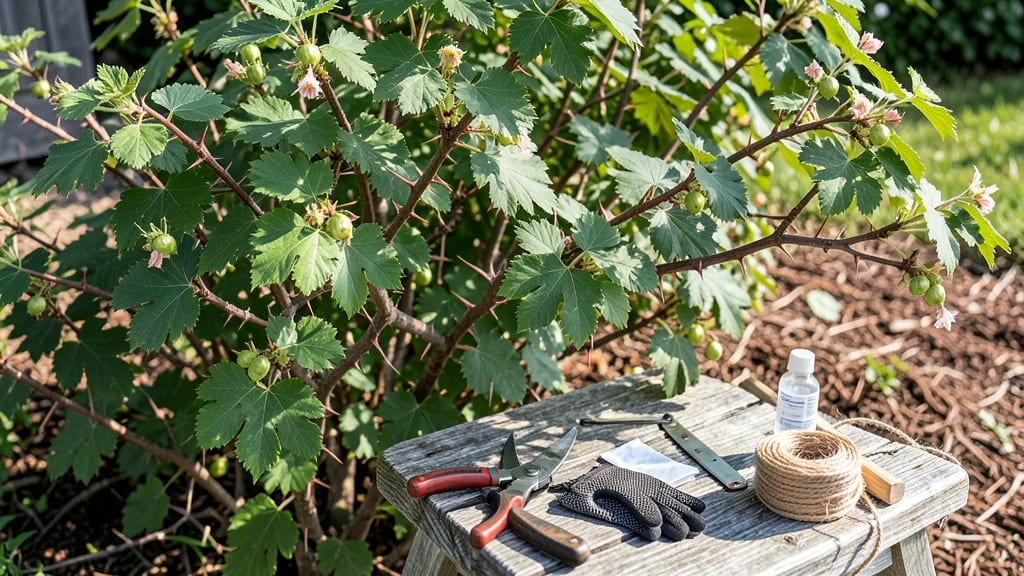
Pruning gooseberry bushes in late winter transforms your thorny mess into a productive, fruit-laden powerhouse. ✂️ I used to dread the tangled mess of branches—until I discovered these three simple cuts that cut back the thorns while boosting next year’s harvest.
The secret lies in timing, sharp tools, and knowing exactly which branches to remove first.
You’ll need clean pruners, gloves (those thorns don’t joke around), and a clear day to see the plant’s structure. Start by removing any dead or diseased wood—it’s like giving your bush a fresh start.
Then, thin out crowded branches to let sunlight reach the center, where the best fruit grows. This isn’t complicated; it’s about 3 strategic cuts that make all the difference.
By the time spring arrives, your bush will be shaped like an open vase, with sunlight streaming in and fewer thorns to snag your sleeves. The fruit? Larger, sweeter, and easier to pick.
Plus, you’ll spend less time battling tangled branches and more time enjoying the harvest. The best part? This method works for both young and mature bushes, so you’re set for years.
Fair warning: the first time you prune, you might feel like you’ve overdone it—but trust the process. Gooseberries are shockingly resilient, and they’ll bounce back stronger than ever. Grab your tools, and let’s get those branches under control!
📚 In This Guide
- What you need
- Instructions
- Tips and common mistakes
- Wrapping up and next steps
What you need
- ● Pruning shears (bypass or anvil type) – Choose sharp, high-quality shears (8-10" blade length) for clean cuts.
- ● Loppers (for thicker branches) – Opt for 18-24" loppers with a bypass blade for branches up to 2" thick.
- ● Garden gloves (thick, cut-resistant) – Gooseberries have thorns—wear gloves with reinforced palms (e.g., leather or heavy-duty synthetic).
- ● Disinfectant (rubbing alcohol or 10% bleach solution) – Clean tools between cuts to prevent disease spread.
- ○ Pruning saw (optional but helpful) – For branches too thick for loppers (2"+), use a fine-toothed pruning saw.
- ● Rake or broom – To clear debris and fallen branches afterward.
- ● Hand pruners with a loop handle – Reduces hand fatigue during long sessions.
- ● Knee pads or a small stool – For comfort if your bushes are tall or dense.
- ● Pruning sealant (for large cuts) – Helps prevent disease entry on wounds over ½" thick.
- ● Marking spray or flags – Label branches to track growth patterns if pruning in stages.
- ● Safety glasses – Protects eyes from flying debris or sap.
Step-by-step instructions for pruning gooseberry bushes
Here's the straightforward method I've used for years to keep bushes productive and less painful to work around.
✂️ Step 1: Remove Dead or Diseased Wood First
Start by scanning your bush for any branches that are completely brown, brittle, or showing signs of fungal spots. These are dead weight that only drain energy from your plant. Grab your pruners and cut these stems back to the main trunk or a healthy side branch. You'll want to make clean cuts at a 45-degree angle just above a bud or outward-facing leaf.
I always prune out diseased wood first because it prevents spreading spores to healthy parts of the plant. If you see any cankers (sunken, discolored areas), cut back at least 6 inches below the affected spot. This step might feel dramatic, but it's crucial for long-term health. You'll notice the bush looks more open immediately—this is a good sign.
✂️ Step 2: Thin Out Crowded or Weak Growth
Next, focus on the interior of the bush where branches cross or grow inward. These "water sprouts" and crowded stems compete for sunlight and nutrients, leading to smaller fruit and more thorns. Select the strongest, most outward-growing branches and cut the others back to the main trunk or a strong side branch. Aim to leave 4-6 main stems per bush for optimal airflow and fruit production.
Here's the thing—gooseberries naturally grow thorny, but thinning reduces their intensity. You'll see fewer thorns and better access to the fruit when you're ready to harvest. Always cut just above an outward-facing bud so new growth continues outward, not inward. This creates a more open structure that's easier to manage and harvest.
✂️ Step 3: Shape for Airflow and Light Penetration
Now it's time to shape the bush. Step back and visualize an open, rounded form with sunlight able to reach the center. Cut back any branches that are growing too long or leggy, shortening them by about one-third to encourage bushier growth. Focus on the outer edges, leaving the center more open. This isn't about making the bush look perfect—it's about creating space for air to circulate and fruit to ripen evenly.
You'll notice new growth emerges from the sides of your cuts within a few weeks. This is your reward for pruning—fresh, vigorous shoots that will produce next year's fruit. Always prune in late winter or early spring, just as buds begin to swell but before new growth starts. This timing ensures you're not cutting off potential fruit for the current season.
⏰ Step 4: Clean Up and Monitor Progress
After pruning, gather all the cuttings and dispose of them in the trash—not the compost pile. Diseased wood can spread pathogens, so it's important to remove it completely from your garden. Give your pruners a good cleaning with rubbing alcohol to prevent cross-contamination between bushes. You'll see a noticeable difference in the bush's shape and structure immediately, but the real benefits come over time.
Over the next few weeks, keep an eye on your bush. Healthy new growth should appear within 3-4 weeks, and you'll notice fewer thorns as the bush matures into its new shape. I always mark the pruned areas with a small flag or ribbon so I remember where I've worked. This helps me avoid over-pruning in future years and keeps the bush productive for decades.
Tips & tricks for pruning gooseberry bushes
These simple tricks make all the difference when shaping your bushes for better fruit and fewer thorns.
Tool Prep is Key: Always sanitize your pruners with rubbing alcohol between cuts—especially when moving from diseased to healthy wood. I keep a small bottle of alcohol and a clean rag in my gardening toolkit. Sharp, clean tools make precise cuts that heal faster and reduce the risk of infection. Dull blades crush stems instead of cutting cleanly, which can damage the plant and invite pests.
Visualize Your Cuts: Before making any cuts in Step 3, step back and visualize the bush's final shape—imagine sunlight reaching the center. I sketch a rough outline in my mind: an open, rounded dome with branches spaced about 6 inches apart. This mental map helps me focus on creating airflow rather than just removing branches. You'll notice the difference in fruit production within a season.
Mark Your Pruned Areas: Use small flags, colored ribbons, or even paint marks to identify where you've pruned. This simple trick helps you avoid over-pruning the same areas in future years. I use bright orange flags because they're easy to spot even in dense foliage. You'll see healthier growth in marked areas as the bush matures into its new shape.
Timing Matters: Prune in late winter or early spring when buds begin to swell but before new growth starts. This timing ensures you're not cutting off potential fruit for the current season. I always aim for February or March in my climate zone. If you prune too early, you risk exposing tender buds to late frosts. If you wait too long, you might remove flowers or young fruit.
Pro Tips for Prune Gooseberry Bushes
- These simple tricks make all the difference when shaping your bushes for better fruit and fewer thorns.
- Tool Prep is Key: Always sanitize your pruners with rubbing alcohol between cuts—especially when moving from diseased to healthy wood.
- Visualize Your Cuts: Before making any cuts in Step 3, step back and visualize the bush's final shape—imagine sunlight reaching the center.
Frequently asked questions
Got questions about pruning gooseberry bushes? You’re not alone! Here are some of the most common concerns—and straightforward answers to help you prune like a pro.
When is the best time to prune gooseberry bushes?
Prune gooseberries in late winter or early spring (just before buds swell) for optimal results. Avoid pruning in fall, as it can leave wounds vulnerable to disease. If you must prune later, do so in dormant season (after harvest) to minimize stress on the plant.
How do I reduce thorns without harming the bush?
Thorns are a natural defense—don’t remove them all! Focus on thin, weak, or crossing branches first. Use sharp, clean shears to cut at a <45° angle just above an outward-facing bud. Wear gloves, and avoid over-pruning, which can stress the plant.
Will pruning increase fruit production?
Yes! Pruning improves airflow and sunlight exposure, which boosts fruit size and yield. Remove dead, diseased, or overcrowded branches to redirect energy to healthy growth. Younger bushes (under 3 years) need lighter pruning, while mature bushes benefit from more aggressive cuts.
What if I prune at the wrong time?
If pruned too late (after buds form), you risk reduced flowering or fruit set. If pruned too early (mid-winter), the plant may struggle to recover. Don’t panic—just stick to dormant-season pruning next time. Gooseberries are resilient!
Can I prune gooseberries the same way as currants?
Not exactly! Gooseberries bear fruit on old and new wood, so avoid heavy pruning like you would with currants (which fruit only on new growth). Keep the bush open and airy but retain some older branches for fruit production. Think "light touch" for gooseberries!
Wrapping up and next steps
Pruning your gooseberry bushes doesn’t have to be intimidating—with just three strategic cuts, you can tame those thorns, boost fruit production, and keep your plants healthy and happy! 🌱 By focusing on deadwood removal, open-center shaping, and selective thinning, you’ll create an easier-to-harvest bush while encouraging stronger growth.
Now that you’re armed with the know-how, grab those shears and get ready to transform your garden—your future berry harvest will thank you!
👉 Next step: Mark your calendar for late winter or early spring—the perfect time to prune—and watch your gooseberry bushes thrive! 🍇