
Pruning
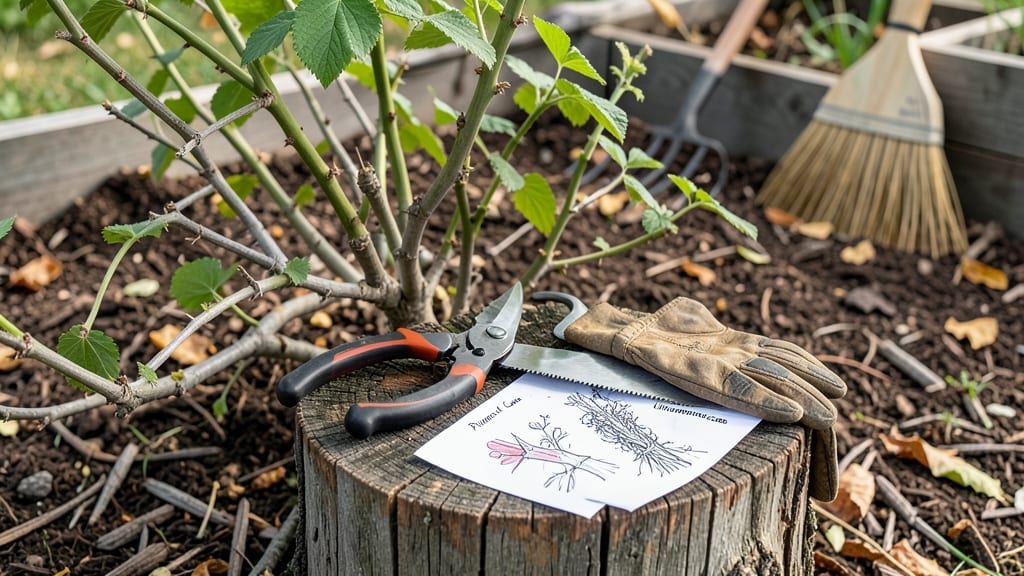
Pruning berry bushes in late winter transforms tangled messes into productive powerhouses. 🌿 I’ve watched my raspberry canes go from a jumbled tangle to sturdy, fruit-heavy bushes—just by cutting at the right time and in the right way.
The key is understanding whether your bushes are summer-bearing, everbearing, or fall-bearing, because each type needs a different approach. You’ll need sharp pruners, gloves, and a clear day to assess the canes. For summer-bearing varieties, cut all old canes to the ground and focus on last year’s growth.
Everbearing types need a gentler touch: prune only the oldest canes by a third. The goal is to encourage thick, healthy canes that produce more berries than you can pick. By summer, you’ll see lush new growth where there was once confusion.
The berries themselves will be larger, the plants more vigorous, and the harvest so abundant your neighbors will ask for tips. This is where pruning pays off—thicker canes mean more fruit, and fewer crowded branches mean easier picking. Works for raspberries, blackberries, and blueberries alike.
Let’s get those canes in shape!
📚 In This Guide
- What you need
- Instructions
- Tips and common mistakes
- Wrapping up and next steps
What you need
- ● Pruning shears or secateurs – Choose bypass pruners (sharp, clean blades) for clean cuts. Size: 5-7 inches, with ergonomic grips for comfort.
- ● Loppers – For thicker canes (½ inch or larger). Size: 18-24 inches, with a ratcheting mechanism for ease.
- ● Pruning saw – For stubborn, oversized wood. Type: Curved-tooth saw for clean cuts without tearing.
- ● Gloves – Heavy-duty, cut-resistant gloves to protect against thorns and scrapes.
- ● Disinfectant (70% isopropyl alcohol or bleach solution) – Quantity: Small spray bottle or wipe for sanitizing tools between cuts.
- ● Garden twine or labels – For marking canes if you’re doing renewal pruning (e.g., tagging 2-year-old canes for removal).
- ● Rubbing alcohol or hand sanitizer – To clean hands after handling diseased wood.
- ● Knee pads or a small stool – For comfort during long pruning sessions.
- ● Trash bags or bucket – For collecting pruned canes and debris.
- ● Know your berry type! Research whether your bushes are summer-bearing (e.g., raspberries) or everbearing (e.g., some blackberries) to prune at the right time.
- ● Check the weather: Prune on a dry, calm day to avoid spreading disease or attracting pests.
- ● Have a clear plan—sketch a rough map of your bushes if needed to visualize cuts.
Step-by-Step guide for pruning berry bushes
Here's the method I've used for years to keep my raspberry, blackberry, and blueberry bushes productive and healthy.
✂️ Step 1: Identify and Remove Dead or Diseased Canes
Start by examining each cane from the base to the tip. Look for canes that are completely brown, brittle, or hollow—these are dead and need removal. I also cut out any canes with blackened spots, mold, or signs of fungal infection, especially near the base. Healthy canes will have a firm, green interior when cut open.
Use clean, sharp pruners to make your cuts at a 45-degree angle, about ¼ inch above a bud or lateral branch. This prevents water from pooling on the cut surface, which could invite rot. I always sterilize my tools with rubbing alcohol between cuts to prevent spreading disease between canes.
✂️ Step 2: Thin Out Overcrowded Canes for Airflow
Berry bushes produce better fruit when they have good airflow. Remove one-third of the oldest canes each year to maintain balance. For raspberries and blackberries, I target the thinnest canes first—these often produce less fruit and crowd out stronger growth. Leave the thickest, healthiest canes standing, as these will yield the best harvest.
For blueberries, focus on removing any canes that are weaker than a pencil in diameter. These won't contribute much to the yield and take resources from stronger canes. Step back occasionally to check your spacing—you want 6-8 inches between canes for optimal airflow and sunlight penetration.
✂️ Step 3: Prune for Shape and Fruit Production
In late winter or early spring, before new growth begins, cut back the remaining canes to 4-6 feet tall, leaving 2-3 buds at the top. This encourages bushier growth and more fruiting laterals. For raspberries and blackberries, I also trim out any water sprouts—those thin, vertical shoots growing straight up from the base. These steal energy from fruit production.
Watch for crossing branches that rub against each other. These create wounds where disease can enter. Use your pruners to gently separate them if possible, or remove the weaker branch entirely. For blueberries, I lightly prune the top of the bush to create an open center, which improves sunlight exposure to the lower branches where most fruit forms.
⏰ Step 4: Time Your Pruning for Seasonal Growth
For raspberries and blackberries, I prune dormant canes in late winter (just before buds swell) or after harvest in late summer. Summer pruning helps redirect energy to fruit production for the next season. Blueberries, however, prefer light pruning in late winter—never prune them after mid-summer, as this can stimulate tender growth that won't survive frost.
Here's the thing—if you prune at the wrong time, you'll stress the bush. For example, cutting back raspberries in fall or early spring can expose them to cold damage before they've hardened off. Always prune when the bush is dormant but not yet actively growing—that's when it can handle the stress best.
Tips & tricks for pruning berry bushes
These simple tricks will help you prune like a pro and keep your berry bushes thriving for years.
Tool Prep is Everything: I can't stress this enough—sterilize your pruners with rubbing alcohol between every 3-5 cuts, especially when dealing with diseased canes. I also sharpen my blades before each session; dull tools crush canes instead of cutting cleanly, which stresses the plant. A quick wipe-down with a disinfectant cloth between different bushes prevents cross-contamination of diseases like cane blight.
Visual Cues for Healthy Canes: When checking for dead canes in Step 1, look for the "snap test"—healthy canes snap crisply when bent, while dead ones bend like straw. For blueberries specifically, healthy canes should have a slight springiness. I also check for "bleeding" sap in early spring—if you see sap when you cut, that's a good sign the cane is alive and ready to grow.
Seasonal Timing Secrets: The late winter timing in Step 4 is critical because that's when berry bushes are fully dormant but just starting to prepare for growth. I mark my calendar for the first week of February in my climate zone—this gives me a 2-week window before buds start swelling. For summer pruning of raspberries, I wait until at least 2 weeks after harvest to let the plant recover from fruiting.
Airflow Check: After thinning in Step 2, step back and look at your bush from all sides. You should see light filtering through the center. If you can't see through, you need to remove more canes. I use a small mirror on a stick to check hard-to-see spots—it's amazing what you miss standing upright! For blueberries, I aim for a "fishbone" pattern where branches spread outward like ribs.
Pro Tips for Prune Berry Bushes
- These simple tricks will help you prune like a pro and keep your berry bushes thriving for years.
- Tool Prep is Everything: I can't stress this enough—sterilize your pruners with rubbing alcohol between every 3-5 cut...
- Visual Cues for Healthy Canes: When checking for dead canes in Step 1, look for the "snap test"—healthy canes snap cr...
Frequently asked questions
Got questions about pruning berry bushes? You’re not alone! Here are answers to the most common queries to help you prune like a pro and keep those berries coming.
When is the best time to prune berry bushes?
The ideal time depends on the type of berry bush. For summer-bearing raspberries and blackberries, prune in late winter or early spring (just before new growth starts). Fall-bearing raspberries should be pruned right after harvest. Blueberries and currants thrive with light pruning in late winter or early spring.
How do I tell the difference between old and new canes?
Old canes are usually brown, woody, and hollow (if you cut them, they’ll be empty inside). New canes are green, flexible, and solid when cut. For raspberries and blackberries, remove old canes after harvest, while blueberries and currants benefit from thinning out crowded canes to improve airflow.
Will pruning reduce my berry harvest?
Not if done correctly! Pruning actually boosts yields by redirecting energy to healthier canes. Removing dead, diseased, or overcrowded growth ensures more resources go to fruit production. Think of it like giving your bushes a spa day—they’ll reward you with bigger, tastier berries!
What if I prune at the wrong time?
Pruning at the wrong time (like mid-summer) can stress the plant, leaving it vulnerable to pests or disease. If you accidentally prune too early, don’t panic—just wait until dormancy (late winter) for your next round. For fall-bearing raspberries, avoid heavy pruning in late summer, as the current year’s canes produce fruit.
Can I reuse old pruned canes for anything?
Old canes can be chopped into smaller pieces for mulch or used as stakes for training new vines. If they’re disease-free, you can even compost them. Just avoid burning them, as some berry canes (like blackberry thorns) can create a smoky mess!
Wrapping up and next steps
Pruning your berry bushes might feel like a daunting task at first, but with the right tools, timing, and techniques, you’ll transform those tangled canes into a thriving, high-yielding harvest! 🌱 The key is consistency—whether you’re thinning old growth, shaping new canes, or encouraging airflow, each cut works toward a healthier, more productive bush.
Remember, less is often more, so take your time and trust the process.
Now that you’re armed with knowledge, grab those shears and get pruning! Start small with just a few bushes, and soon, you’ll see the difference in fruit quality and quantity. Happy gardening—and here’s to a bountiful berry season ahead! 🍓✨