
How To
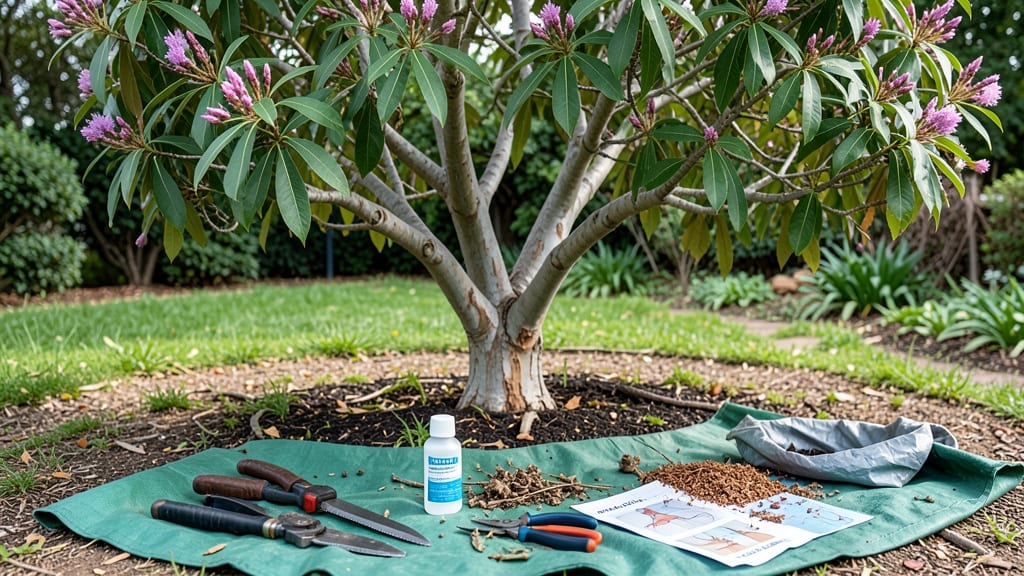
Pruning crepe myrtle trees transforms them from scraggly to showstopping—if you do it right. ✂️ I learned the hard way that hacking away in summer ("crepe murder") turns beautiful blooms into bare branches. The secret is timing, technique, and knowing where to cut for that lush, layered look.
Start with clean cuts just above a leaf bud or branch collar, and avoid "topping" the tree. Late winter or early spring is prime time, but light pruning after blooming keeps them tidy. You’ll see fuller growth, more flowers, and a stronger structure—no sad, overpruned stumps in sight.
📚 In This Guide
- What you need
- Instructions
- Tips and common mistakes
- Wrapping up and next steps
What you need
- ● Pruning shears or lopers – Sharp, bypass-style shears for clean cuts (avoid dull blades that tear bark). Lopers (18–24" reach) for thicker branches.
- ● Pruning saw – For branches over 2 inches thick (avoid cutting too close to the trunk—leave a small stub).
- ● Gloves – Heavy-duty, cut-resistant gloves to protect from thorns and sap.
- ● Disinfectant (70% isopropyl alcohol or bleach solution) – Clean tools between cuts to prevent disease spread (1 part bleach to 9 parts water).
- ● Heavy-duty trash bags or bucket – For collecting large clippings (crepe myrtle debris can be invasive if left on the ground).
- ● Ladder or stump – Sturdy, extendable ladder (20+ ft for tall trees) or a stable stump to reach higher branches safely.
- ● Safety glasses – Protect your eyes from flying debris.
- ● Hand pruners for detail work – For fine-tuning smaller branches after major cuts.
- ○ Tree wound dressing (optional) – Controversial but useful for large cuts (follow up with pruning paint if desired).
- ● Work gloves with grip – If your tree is extra thorny or sap-heavy.
- ● Marking spray or tape – To flag branches to remove before cutting (helpful for complex pruning).
- ● First-aid kit – Just in case thorns or sap cause minor injuries.
Step-by-step instructions for pruning crepe myrtle trees
Here's the method I've used for years to keep my crepe myrtles looking stunning while promoting strong, healthy growth.
✂️ Step 1: Identify the Right Time to Prune
Crepe myrtles bloom on new wood, so the best time to prune is late winter or early spring—right after the last frost but before buds swell. This gives the tree plenty of time to develop fresh growth and flowers for summer. I always prune mine in February or March in my zone 8 garden.
Never prune in fall or winter when the tree is dormant—you'll remove next year's flower buds. If you missed the window, you can do a light shaping cut in summer after flowering, but avoid heavy pruning then. Watch for new leaf buds along the stems as your signal that it's safe to prune.
✂️ Step 2: Remove Dead, Diseased, or Weak Branches
Start by inspecting the entire tree for branches that are dead, diseased, or crossing. Use clean, sharp pruning shears to make cuts just outside the branch collar—the swollen area where the branch meets the trunk. This ensures proper healing and prevents decay from entering the tree.
I always remove any branches that are rubbing against each other or growing inward—these create wounds and weak spots. Cut these back to the main stem or another branch. For larger branches over 1 inch thick, use a pruning saw instead of shears to avoid tearing the bark.
✂️ Step 3: Thin Out the Canopy for Better Airflow
Crepe myrtles grow best with an open, airy canopy. Look for branches that are growing too close together and select the weakest or smallest branch to remove. This opens up the center of the tree and reduces disease risk. Aim to thin out about 20-30% of the branches for a balanced look.
I like to step back every few cuts and visually check the tree's shape. The goal is to maintain a natural, vase-like form while keeping the center open. Avoid cutting more than one-third of the tree's foliage at once—this can stress the plant and reduce flowering.
✂️ Step 4: Shape the Tree for a Clean, Natural Look
Now it's time to shape the tree by trimming back any branches that are growing too long or out of place. Cut just above a leaf bud or side branch to encourage new growth in the right direction. For a more formal look, you can prune to create a slightly rounded top, but avoid cutting into the main trunk.
Here's the thing—crepe myrtles have a natural, graceful shape, so I only do light shaping. Never prune into the "crepe murder" look where the tree is sheared into a perfect ball—this stunts growth and reduces flowering. Instead, focus on maintaining the tree's natural silhouette while keeping it balanced.
✂️ Step 5: Clean Up and Monitor for New Growth
After pruning, remove all fallen branches and debris from the area to prevent disease. Sterilize your pruning tools with rubbing alcohol to avoid spreading pathogens. Water the tree deeply to help it recover, especially if you've done significant pruning.
Watch for new growth in 3-4 weeks—this is your sign that the tree is healing well. If you see yellowing leaves or wilting, it might be stressed from too much pruning. In that case, give it time and avoid pruning again for at least a year. Regular pruning keeps your crepe myrtle healthy and flowering beautifully for years.
Tips & tricks for pruning crepe myrtle trees
Let me share the hard-won wisdom I've gathered after years of pruning my own crepe myrtles—and the mistakes that taught me what NOT to do.
Timing is Everything: That February-March window is critical because crepe myrtles bloom on new wood. If you prune too early, you risk frost damage to fresh cuts. If you wait too late, you'll remove next year's flower buds. Here's my trick: Check for those tiny leaf buds starting to swell—when you see them, it's your green light to prune. And if you missed the window? A light summer trim after flowering is better than nothing, but don't go heavy.
Tool Prep Prevents Problems: I can't stress this enough—sterilize your tools with rubbing alcohol before AND after pruning. Diseased branches can harbor pathogens that spread to healthy parts of the tree. Also, keep your shears sharp! Dull blades tear bark instead of making clean cuts, which invites infection. I sharpen mine before every pruning session—it takes 2 minutes but saves hours of cleanup later.
Canopy Care Creates Airflow: When thinning branches in Step 3, aim for that open, airy look. I always remove the smallest or weakest branch when two are competing for space. This might seem counterintuitive, but it's about long-term health. Pro tip: Step back every few cuts and squint—you should see light filtering through the center. That's your goal: sunlight reaching all parts of the tree to prevent fungal issues.
Shape with Purpose: Resist the urge to create a perfect sphere! Crepe myrtles have a natural, elegant shape that's meant to be preserved. Instead of cutting randomly, follow the tree's natural growth pattern. For formal gardens, I might round the top slightly, but I always leave the lower branches to create that classic layered look. And remember: Never cut into the main trunk—this creates wounds that never heal properly.
Pro Tips for Prune Crepe Myrtle Trees
- Let me share the hard-won wisdom I've gathered after years of pruning my own crepe myrtles—and the mistakes that taught me what NOT to do.
- Timing is Everything: That February-March window is critical because crepe myrtles bloom on new wood.
- Tool Prep Prevents Problems: I can't stress this enough—sterilize your tools with rubbing alcohol before AND after pruning.
Frequently asked questions
Got questions about pruning your crepe myrtle trees? You’re not alone! Here are answers to the most common concerns—from timing to troubleshooting—to keep your trees thriving.
When is the best time to prune crepe myrtles?
Prune crepe myrtles late winter or early spring (just before new growth starts) to avoid removing next year’s blooms. Avoid heavy pruning in fall or winter, as it can stress the tree. Light shaping in summer is fine, but skip major cuts during bloom season to preserve flowers.
Can I prune crepe myrtles in summer?
Yes, but only for light maintenance—like trimming dead branches or shaping. Heavy summer pruning can stimulate excessive new growth that won’t harden off before winter. If you must prune, do it after flowering (late summer) to avoid sacrificing blooms.
What if I prune too late or too much?
Over-pruning or late cuts can weaken the tree, reduce next year’s flowers, or even invite pests. If you’ve already pruned too much, focus on recovery: water deeply, fertilize lightly, and avoid heavy pruning for 1–2 years. New growth will return, but blooms may be sparse.
Do crepe myrtles need to be pruned every year?
Not necessarily! Healthy crepe myrtles only need light pruning every 2–3 years to remove dead wood and shape. Over-pruning annually can harm the tree. Instead, prune only when needed—like after storms or when branches rub together.
What’s the “crepe myrtle blight” I keep hearing about?
Crepe myrtle blight (a fungal disease) causes dark spots and cankers on branches. To prevent it, sterilize tools with rubbing alcohol between cuts, avoid overcrowding, and prune for airflow. Remove infected branches immediately and dispose of them away from your yard.
Pro Tip:
If your crepe myrtle looks “leggy” or bare at the bottom, it’s likely from over-pruning the trunk (a common mistake!). Next time, prune branches back to the trunk or a strong side branch—never leave stubs—to encourage a fuller canopy.
Wrapping up and next steps
Pruning your crepe myrtle doesn’t have to be intimidating—just follow the right timing, techniques, and tools to keep your tree thriving! 🌿 Whether you’re trimming for shape, health, or blooms, remember: less is more.
Start small, observe your tree’s response, and adjust as needed. With a little patience and practice, you’ll have a stunning, well-maintained crepe myrtle that’s the envy of the neighborhood.
Ready to take the next step? Grab your pruners and schedule that pruning session—your tree (and future you) will thank you! For extra inspiration, check out before-and-after pruning galleries to see the magic in action.