
Pruning
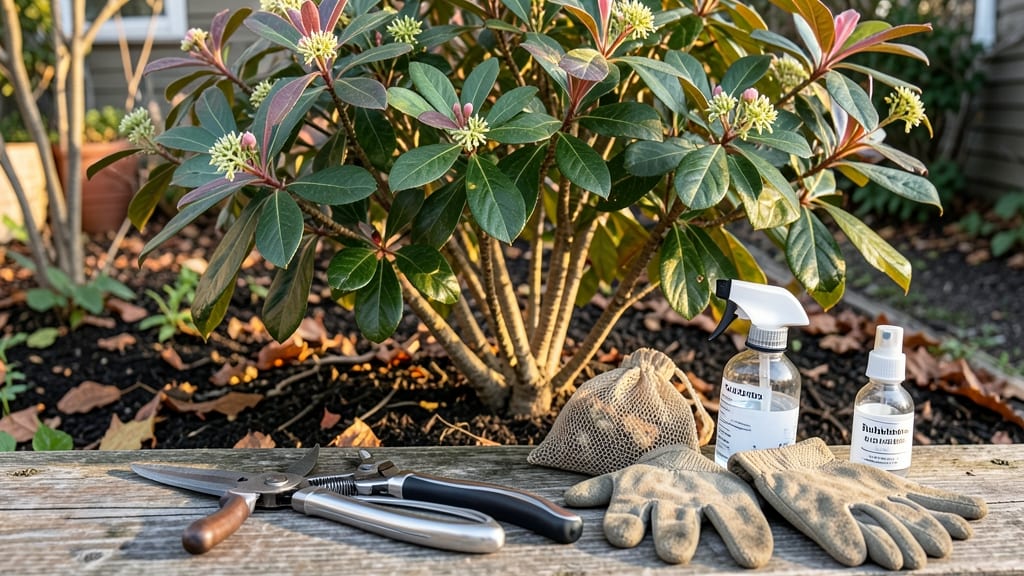
Pruning euonymus shrubs transforms them from scraggly to showstopping. 🌿 I’ve pruned these tough shrubs for years, and the difference between a neglected mess and a lush, structured plant comes down to timing, technique, and a sharp pair of shears.
The key is knowing when to cut—and what to cut—to encourage dense, vibrant growth while keeping the plant healthy.
Euonymus thrives with light pruning in late winter or early spring, just before new growth starts. For shaping or rejuvenating older shrubs, spread cuts over two to three seasons to avoid stressing the plant.
You’ll need bypass pruners, gloves, and a clean saw for thicker branches, plus a ladder if your shrubs are tall. The goal? Open up the center for airflow and sunlight while maintaining a natural, balanced shape.
After pruning, you’ll see fresh green shoots within weeks, and the shrub will fill out with thicker foliage. The secret is cutting just above a leaf node or bud, never leaving stubs—this prevents disease and encourages strong regrowth.
For variegated varieties, prune to preserve the color contrast by keeping some of the white or cream foliage visible.
Common mistakes? Pruning too late in the season (which invites pests) or over-cutting in one go (which weakens the plant). Instead, take your time, step back often to check the shape, and remember: euonymus is forgiving.
With the right approach, your shrubs will reward you with years of vibrant, healthy growth.
📚 In This Guide
- What you need
- Instructions
- Tips and common mistakes
- Wrapping up and next steps
What you need
- ● Pruning shears: Sharp, bypass-pruners (4- to 6-inch blades) for clean cuts on small stems.
- ● Loppers: For thicker branches (up to 1.5 inches in diameter). Opt for bypass loppers for precision.
- ● Pruning saw: A curved-tooth saw for stubborn, thick branches (1.5+ inches).
- ● Gloves: Heavy-duty, cut-resistant gloves (gardening or pruning-specific) to protect hands from thorns and sap.
- ● Disinfectant: 70% isopropyl alcohol or a pruning sealant (like Tanglefoot Pruning Seal) to sterilize tools between cuts and prevent disease spread.
- ● Extension pole: Attach loppers or shears to a 3- to 6-foot pole for hard-to-reach branches.
- ● Safety glasses: Protect your eyes from debris, especially when sawing.
- ● Tarp or bucket: For collecting pruned branches and leaves (great for composting!).
- ● Ladder: A stable, lightweight ladder (4- to 8-foot) if your shrub is tall (always prioritize safety!).
- ● Hand sanitizer: For post-pruning clean-up if sap irritates your skin.
- ● Check the weather: Prune on a dry, calm day (avoid wind or rain).
- ● Know your shrub’s growth stage: Late winter/early spring (dormant season) is ideal for major pruning.
- ● Review your pruning goals: Are you shaping, rejuvenating, or removing dead wood? This guides your cuts!
Step-by-step guide to pruning euonymus shrubs for optimal growth
Pruning euonymus shrubs isn’t just about shaping—it’s about reviving their natural vigor. Here’s how to do it right, season by season.
✂️ Step 1: Time Your Pruning for Maximum Impact
Euonymus responds best to pruning after its natural growth flushes. For most varieties, late winter to early spring—just as buds swell—is ideal. This timing removes dead wood while encouraging fresh, healthy growth before summer heat sets in. Avoid heavy pruning in fall, as new growth won’t harden off before winter, leaving branches vulnerable to cold damage.
If you must prune in summer, do it after flowering (if applicable) to avoid cutting off next year’s blooms. Light shaping in summer is fine, but avoid drastic cuts—euonymus heals slower in heat. Watch for leaf color changes or bare stems as visual cues for where to focus your cuts.
✂️ Step 2: Remove Dead, Diseased, or Crossing Branches First
Start by sanitizing your pruners with rubbing alcohol to prevent spreading disease. Scan the shrub for dead branches (no leaves, brittle texture) or diseased wood (mushy spots, discoloration). Cut these out at the base, just outside the branch collar—the swollen area where the branch meets the trunk. This ensures clean wounds that heal faster.
Next, target crossing or rubbing branches. These compete for sunlight and weaken the shrub. Make your cuts at a 45-degree angle about ¼ inch above an outward-facing bud. This encourages growth in the right direction. If a branch is too thick to cut cleanly with hand pruners, use loppers or a pruning saw—never leave stubs.
✂️ Step 3: Thin Out the Canopy for Better Airflow
Euonymus thrives when light and air circulate freely. Step back and assess the shrub’s shape—look for dense clusters where branches grow too close together. Selectively remove 10-20% of the oldest, thickest branches from the center to open up the canopy. This reduces disease risk and lets sunlight reach inner foliage, which often turns sparse.
Focus on vertical thinning: Cut branches back to their origin at the trunk or a major lateral branch. Avoid "heading back" (cutting back to a bud mid-stem) unless you’re training a specific shape. You’ll know you’ve done enough when you can see light filtering through the shrub and the outer branches look fuller.
✂️ Step 4: Shape the Shrub for Structure and Balance
Now’s the time to refine the shrub’s form. For formal hedges, use a hand saw or hedge shears to create clean, straight lines. For natural shapes, step back and visualize the shrub’s natural growth pattern. Prune to encourage a slightly open, vase-like shape—this prevents a "top-heavy" look and reduces wind damage.
Make clean cuts just above a bud or branch that faces outward. Avoid leaving stubs or cutting into old wood—euonymus rarely regrows from mature stems. If you’re pruning a mature shrub, never remove more than ⅓ of the foliage in one season. Over-pruning stresses the plant and can lead to dieback.
🌿 Step 5: Post-Pruning Care for Faster Recovery
After pruning, water deeply to help the shrub recover. Euonymus has a deep root system, so 1-2 inches of water per week (more in extreme heat) keeps it hydrated without over-saturating the soil. Apply a layer of mulch (2-3 inches) around the base to retain moisture and regulate soil temperature.
Monitor the shrub for new growth in 4-6 weeks—this is your signal that the pruning worked. If you notice yellowing leaves or stunted growth, you may have pruned too aggressively. Euonymus is forgiving but prefers gradual shaping over drastic cuts. For large shrubs, spread pruning over 2-3 years to minimize stress.
Tips & tricks for pruning euonymus shrubs
Real talk: Pruning euonymus shrubs takes patience, but these tricks will help you avoid common mistakes and transform your shrub into a thriving, healthy specimen.
Seasonal Timing is Everything: The late winter to early spring window is non-negotiable for serious pruning—this is when euonymus is dormant yet poised for new growth. If you must prune in summer, do it immediately after flowering to protect next year's blooms. I've seen too many gardeners rush this step and end up with stressed plants that struggle to recover during heatwaves.
Precision Cutting Technique: When removing branches in Step 2, make your cuts just outside the branch collar at a 45-degree angle—this creates a natural barrier that prevents water from pooling and causing rot. For thicker branches, use loppers and always cut back to a bud facing outward. I learned this the hard way after seeing branches die back from improper cuts that exposed the pith.
Canopy Thinning Strategy: The 10-20% rule for removing oldest branches in Step 3 isn't arbitrary—it's about finding that sweet spot between opening up the shrub for airflow and maintaining its structural integrity. Focus on vertical thinning by cutting branches back to their origin rather than making random cuts. This technique prevents that "haircut gone wrong" look while encouraging fuller growth on remaining branches.
Post-Pruning Recovery Plan: After your work, don't just walk away! The 2-3 inches of mulch and 1-2 inches of weekly water are your shrub's lifeline during recovery. I've noticed that plants with proper post-pruning care show new growth in just 4-6 weeks, while neglected ones take twice as long—or worse, never fully recover. Think of it as intensive care for your shrub.
Pro Tips for Pruning Euonymus Shrubs
- Real talk: Pruning euonymus shrubs takes patience, but these tricks will help you avoid common mistakes and transform your shrub into a thriving, healthy specimen.
- Seasonal Timing is Everything: The late winter to early spring window is non-negotiable for serious pruning—this is when euonymus is dormant yet poised for new growth.
- Precision Cutting Technique: When removing branches in Step 2, make your cuts just outside the branch collar at a 45-degree angle—this creates a natural barrier that prevents water from pooling and causing rot.
Frequently asked questions
Got questions about pruning your Euonymus shrubs? You’re not alone! Here are answers to the most common concerns—whether you're a first-timer or a seasoned gardener looking to refine your technique.
When is the best time to prune Euonymus shrubs?
The ideal time is late winter or early spring (just before new growth starts) for structural pruning. For light shaping or deadwood removal, summer or fall works too—but avoid heavy pruning in fall, as it can stimulate tender new growth that may not survive winter.
How much can I prune back my Euonymus?
For healthy, established shrubs, you can safely remove up to 1/3 of the plant’s total volume in one season. Avoid over-pruning—this can stress the shrub and reduce flowering. If your Euonymus is overgrown or leggy, spread pruning over 2-3 years for gradual recovery.
What if my Euonymus doesn’t bloom after pruning?
Most Euonymus varieties (like Euonymus alatus) bloom on old wood, so heavy pruning in late winter/early spring may reduce flowers. To encourage blooms, prune immediately after flowering or limit cuts to dead or crossing branches. If your shrub is non-flowering (e.g., Euonymus fortunei), focus on shape—blooms aren’t a concern!
Can I prune Euonymus in winter?
Yes, but only in mild climates (Zones 7-10). In colder regions, wait until late winter (just before buds swell) to avoid frost damage. If you must prune in winter, do so on warmer days and avoid cutting into dormant wood—it won’t regrow until spring.
What’s the best way to clean up after pruning?
Dispose of healthy clippings in your yard waste or compost (if disease-free). For diseased or infested branches, bag and trash them immediately to prevent spread. Sterilize pruners with rubbing alcohol or a 10% bleach solution (1 part bleach to 9 parts water) between cuts.
Are there alternatives to traditional pruning?
If you dislike heavy pruning, try selective thinning—removing only dead, crossing, or overcrowded branches to improve airflow. For fast regrowth, use pinching (trimming new shoots by half) in spring. Some gardeners also use topiary for artistic shapes, but this requires patience and regular maintenance.
Wrapping up and next steps
Pruning your euonymus shrubs doesn’t have to be intimidating—just a few strategic cuts can transform your garden into a thriving, lush landscape! 🌿 By following seasonal guidelines, using the right tools, and keeping an eye out for pests or disease, you’ll encourage vibrant growth and maintain that perfect, manicured look.
Whether you’re shaping for aesthetics or promoting health, your efforts will pay off in a stunning, year-round display.
Ready to take the next step? Grab your pruners, mark your calendar for seasonal checks, and enjoy the satisfaction of a well-maintained garden! 🌟 For even more tips, explore our pruning calendar or connect with local gardening communities for personalized advice.