
Pruning
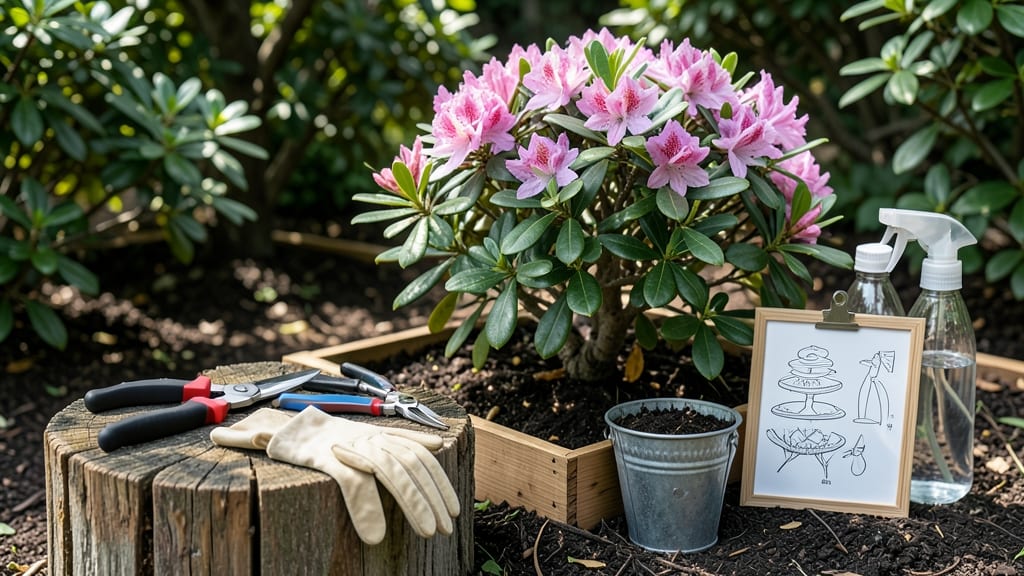
Japanese-style azalea pruning transforms your shrubs into living art—think sculpted canopies that bloom heavier and longer each year. 🌸 I’ve pruned azaleas this way for five seasons, and the difference in fragrance and flower density is night-and-day compared to the "cut everything" approach.
The key lies in selective thinning and strategic shaping, not aggressive shearing.
You’ll need sharp, clean pruners (bypass pruners work best), a sturdy ladder for taller shrubs, and a clear day to see the natural growth patterns. Japanese-style pruning focuses on opening the center for airflow, removing deadwood, and shaping with intentional curves—almost like bonsai.
Start in late spring after flowering, when new growth has begun but isn’t yet tender.
By summer’s end, your azaleas will reward you with a denser, more fragrant display next spring. The secret? Prune at a 45-degree angle just above a leaf node, and never cut more than 1/3 of the plant’s growth in one session.
This method keeps the shrub healthy while creating that signature layered, cloud-like shape Japanese gardens love.
Works for both container and in-ground azaleas, and the techniques adapt to other flowering shrubs too. Once you see how a single precise cut can transform a branch, you’ll never prune the same way again.
📚 In This Guide
- What you need
- Instructions
- Tips and common mistakes
- Wrapping up and next steps
What you need
- ● Sharp bypass pruners – High-quality, 6-8" blades (1 pair). Look for Japanese-style pruners (e.g., Felco or Corona) for cleaner cuts.
- ● Pruning shears – For thicker branches (½"–1") (1 pair). Avoid dull tools—sharpness = healthier plants!
- ● Hand saw – For stubborn, thick stems (1"+) (1 small, foldable saw). A bow saw or Japanese pull saw works best.
- ● Loppers – For medium branches (1"–2") (1 pair, ratcheting type for leverage).
- ● Disposable gloves – Nitrile or leather (1 pair). Protects from thorns and sap.
- ○ Pruning sealant – Optional but helpful (e.g., Tanglefoot Tree Wound Pruning Seal). Apply to cuts >½" to prevent disease.
- ● Cleaning supplies – Rubbing alcohol (70%+) or bleach solution (1:9 water ratio). Sanitize tools between cuts to avoid spreading bacteria.
- ● Bucket or bag – For debris (1 large, lined with a plastic bag for easy disposal).
- ● Kneeling pad – For comfort during long sessions.
- ● Measuring tape – To ensure proper branch spacing (6–12" apart) for airflow.
- ● Japanese pruning knife – For ultra-precise cuts on small stems (e.g., Okatsune brand).
- ● Spray bottle with water – Keeps tools cool and blades sharp longer.
- ● Camera or sketchbook – Capture your azalea’s natural shape before pruning for reference.
Step-by-step guide to pruning azaleas Japanese style
This method transforms your azaleas into lush, fragrant shrubs with deliberate structure and natural beauty.
☀️ Step 1: Time Your Pruning for Optimal Growth
Japanese-style pruning focuses on shaping rather than rejuvenation, so timing matters. Prune azaleas immediately after they finish blooming—typically in late spring—when spent flowers turn brown but new growth is still tender. This ensures you remove faded blooms while preserving next year’s buds, which form on old wood.
If you miss the spring window, avoid pruning in summer or fall. Pruning too late risks stimulating new growth that won’t harden off before winter, leaving tender stems vulnerable to frost. I always mark the blooming cycle on my calendar—once the last flower drops, I know it’s time to prune.
✂️ Step 2: Shape with Clean, Angled Cuts
Japanese pruning emphasizes natural form, so avoid harsh cuts. Start by removing dead, crossing, or inward-growing branches first—these compete for energy and disrupt airflow. Use sharp, bypass pruners to make cuts just above a leaf node or outward-facing bud at a 45-degree angle. This encourages healthy regrowth and prevents water from pooling on the cut.
For shaping, step back and visualize the plant’s natural silhouette. Azaleas thrive with an open, airy structure, so avoid over-thinning. I like to leave the lower branches slightly longer to create a fuller base, while gradually tapering the top. Never remove more than one-third of the plant’s total growth in a single season—this stresses the shrub and reduces flowering.
🌿 Step 3: Refine for Balance and Fragrance
Japanese-style pruning prioritizes fragrance and visual harmony. After removing structural branches, focus on blooms: trim spent flower clusters back to the nearest leaf node, but leave the stem intact if it’s still healthy. This preserves next year’s buds while keeping the plant tidy. For azaleas, I also lightly pinch back some of the new growth tips in early summer—this encourages bushier, more fragrant blooms.
Pay attention to the plant’s natural growth patterns. If one side looks sparse, selectively trim back stronger branches on the opposite side to balance the shape. Azaleas respond well to gradual shaping, so avoid drastic changes. The goal is to enhance their natural beauty, not force an unnatural form. A well-pruned azalea should look effortless, as if shaped by wind and time.
🪴 Step 4: Post-Pruning Care for Recovery
After pruning, azaleas need support to recover. Water deeply at the base to help the plant adjust, especially if you’ve removed a significant portion of foliage. Avoid fertilizing immediately—pruning stresses the plant, and new growth needs time to establish. Instead, wait 4-6 weeks before applying a balanced, acid-loving fertilizer to encourage strong regrowth.
Keep an eye on the pruned areas over the next few weeks. Healthy new growth should appear within 2-3 weeks, signaling the plant is recovering. If you notice yellowing leaves or slow regrowth, it may indicate over-pruning or poor soil conditions. Azaleas thrive in slightly acidic soil (pH 5.0-6.0), so test your soil if growth remains weak. Mulch around the base with 2-3 inches of organic mulch to retain moisture and protect roots.
Tips & tricks for perfect azalea pruning
Here's what nobody tells you about transforming your azaleas into fragrant masterpieces with Japanese precision.
The Timing Secret: Watch for that exact moment when your azaleas finish blooming—flowers turn brown but leaves remain vibrant. This is your late spring window, and it's non-negotiable. I've learned the hard way that pruning too early removes next year's buds, while waiting too long risks winter damage to new growth. Mark your calendar when the last flower drops, and set a reminder for that precise week.
Tool Technique: Your bypass pruners are your most important tool, but how you use them matters just as much. Always make cuts at a 45-degree angle just above a leaf node or outward-facing bud. This isn't just about aesthetics—it's about directing the plant's energy where you want it to grow. I keep a small pair of pruners in my gardening bag specifically for azaleas, and I sharpen them before every pruning session to ensure clean cuts that heal properly.
Balance and Fragrance: The real magic happens in Step 3 when you focus on fragrance and balance. Lightly pinch back some of the new growth tips in early summer—this is what creates those lush, bushy azaleas with intense fragrance. Think of it like sculpting: you're not just cutting, you're shaping the plant's future. I always step back every few minutes to check the overall silhouette, making sure one side doesn't overpower the other. The goal is harmony, not perfection.
Post-Pruning Recovery: After all that work, don't neglect the recovery phase. That 4-6 week wait before fertilizing is crucial—it gives your azalea time to establish new roots and leaves. I've seen too many gardeners rush this step and end up with stressed plants. During this time, focus on deep watering and mulching with 2-3 inches of organic mulch. This protects roots and maintains moisture, setting your azalea up for next year's spectacular blooms.
Pro Tips for Prune Azaleas Japanese Style
- Here's what nobody tells you about transforming your azaleas into fragrant masterpieces with Japanese precision.
- The Timing Secret: Watch for that exact moment when your azaleas finish blooming—flowers turn brown but leaves remain...
- Tool Technique: Your bypass pruners are your most important tool, but how you use them matters just as much. Always m...
Frequently asked questions
about Japanese-style azalea pruning—because every gardener deserves clarity before diving in!When is the best time to prune azaleas in Japanese style?
The ideal window is right after blooming (late spring) but before new buds form. Japanese-style pruning prioritizes light shaping over heavy cuts—avoid harsh trims in fall or winter, as azaleas bloom on old wood. Think refinement, not renovation!
Can I prune azaleas Japanese-style if they’re overgrown?
Overgrown azaleas need gradual attention. Japanese-style pruning isn’t for drastic reshaping—focus on selective thinning (removing 10-20% of dense growth) over 2-3 years. For severe cases, lightly trim back 1/3 of the oldest stems first, then refine yearly. Patience is key!
What if my azalea doesn’t bloom after pruning?
No blooms? You might’ve cut too late or removed last year’s flower buds (hidden in leaf axils). Japanese-style pruning is minimal—stick to shaping outer growth. If needed, skip pruning for a year and focus on fertilizer (acidic, high-phosphorus) and sunlight (partial shade).
Do Japanese-style pruned azaleas need special care post-pruning?
Yes! After pruning:
- Water deeply to reduce stress.
- Apply a layer of mulch (pine bark or oak leaves) to retain moisture.
- Fertilize lightly with azalea-specific food (low nitrogen, high potassium).
- Avoid heavy pruning the next year—let the plant recover!
Can I use Japanese-style pruning on other shrubs?
Japanese-style pruning’s artistic, minimalist approach works best for flowering shrubs with layered growth, like camellias, hydrangeas, or pieris. For boxwoods or formal hedges, traditional geometric pruning is better. Always research your plant’s bloom timing first!
Wrapping up and next steps
Mastering the art of Japanese-style azalea pruning transforms your garden into a fragrant, sculpted masterpiece—one where every cut tells a story of patience and care. 🌸 By focusing on precision, timing, and seasonal rhythm, you’ll encourage lush blooms and vibrant foliage year after year.
Remember, the key is to prune with intention, not urgency!
Now that you’re armed with the right tools and techniques, take the next step: grab your pruners and schedule your first pruning session. Start small—even a single branch refined with Japanese-style cuts will make a difference. Your azaleas (and your future gardening adventures) will thank you!