
Pruning
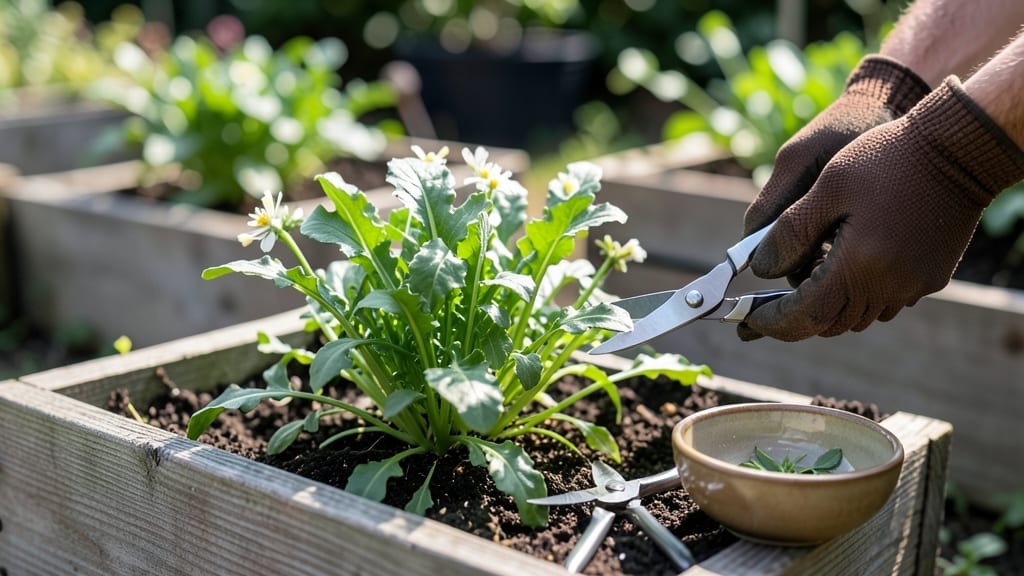
Pruning arugula turns bitter, bolted greens into a never-ending harvest—and it’s simpler than you think. 🌱 I’ve learned the hard way that skipping this step means tough, peppery leaves by July, but proper pruning keeps your plants tender and productive for weeks longer.
The key is cutting at the right time and in the right way, without stressing the plant.
You’ll need just two things: sharp scissors or pruning shears (clean ones matter!) and a sunny spot where your arugula gets at least 4-6 hours of light daily. The best time to prune is early morning, when leaves are crisp and moisture levels are ideal.
Cut just above a leaf node—this encourages bushier growth and prevents the plant from bolting too quickly.
Start by harvesting the outer leaves first, leaving the inner, younger growth intact. This method keeps your plants productive while avoiding the shock of aggressive pruning. Within 3-5 days, you’ll see fresh, tender new leaves emerging from the center—proof that your plant is bouncing back stronger than before.
For organic gardeners, skip chemical treatments entirely—just focus on consistent watering and mulching to keep soil moisture even. If your arugula starts to bolt (sending up flower stalks), you can still prune aggressively to redirect energy back into leaf production. The goal? More harvests, less waste.
📚 In This Guide
- What you need
- Instructions
- Tips and common mistakes
- Wrapping up and next steps
What you need
- ● Sharp pruning shears or scissors: A pair with clean, sterilized blades (preferably stainless steel) to avoid damaging plants or spreading disease. Size: Small handheld shears (4-6 inches) work best for precision.
- ○ Gloves (optional but recommended): Lightweight, breathable gardening gloves to protect your hands from thorns or rough stems. Tip: Choose nitrile-coated gloves for extra grip!
- ○ Pruning saw (optional): Only needed if your arugula has thick, woody stems—rare for most varieties, but useful for stubborn growth.
- ● Disinfectant (70% isopropyl alcohol or bleach solution): 1 part bleach to 9 parts water to sterilize tools before and after pruning.
- ● Bucket or container: A shallow tray or bucket to collect pruned leaves for composting or cooking.
- ● Watering can or hose: For post-pruning hydration—keep your arugula happy and hydrated!
- ● Mature arugula plants: Aim to prune when plants are at least 4-6 inches tall with 4-6 true leaves for optimal regrowth.
- ● Morning sunlight: Prune in the early morning when plants are turgid (full of water) and less stressed.
- ● Clear weather: Avoid pruning if rain is forecasted within 24 hours—wet conditions can promote disease.
- ● Patience: Give your arugula 1-2 weeks to recover before harvesting again after pruning.
Step-by-step instructions for pruning arugula
Here's how to keep your arugula plants productive and sweet-tasting for weeks.
✂️ Step 1: Identify the Right Time to Prune
Prune arugula when it reaches 4-6 inches tall and has developed 4-6 true leaves. This is the ideal stage for harvesting—any earlier, and you stunt growth; any later, and the plant may bolt (send up flower stalks), turning bitter. Look for the deepest green leaves near the base; these are the most tender and flavorful.
Morning is the best time to prune. The leaves will be crisp and fully hydrated, making them easier to handle. Avoid pruning after a heavy rain or when the leaves are wet—this increases the risk of fungal diseases like downy mildew.
✂️ Step 2: Use the Right Technique for Cutting
Use clean, sharp pruning shears or a sharp knife to make your cuts. Dull tools crush stems, which can damage the plant and invite infection. Hold the shears at a 45-degree angle, cutting just above a leaf node (the point where leaves attach to the stem). This encourages new growth from that node.
Never pull leaves by hand—this tears the stem and can uproot the plant. Aim to remove about one-third of the plant's height in each pruning session. For example, if your arugula is 6 inches tall, cut it back to 3-4 inches. This prevents over-stressing the plant while still promoting bushier growth.
✂️ Step 3: Prune for Bushier Growth and Prevent Bolting
After the first harvest, watch for flower stalks emerging from the center of the plant. These indicate bolting, which makes the leaves bitter and tough. If you spot a flower stalk, cut it off immediately at the base. This redirects the plant’s energy back into leaf production instead of seed development.
For established plants, prune every 2-3 weeks during the growing season. Focus on cutting back the outer leaves first, leaving the inner, younger leaves to mature. This method encourages the plant to grow outward rather than upward, giving you a fuller, more productive harvest. Avoid cutting into the woody stem at the base—this can kill the plant.
☀️ Step 4: Adjust Care After Pruning
Water the plant deeply after pruning to help it recover. The roots will need extra moisture to support new growth, especially if you’ve cut back a significant portion of the foliage. Use a soaker hose or water at the base of the plant to avoid wetting the leaves, which can lead to disease.
Move your arugula to a shadier spot for 24-48 hours after pruning. This reduces stress on the plant and prevents sunburn on fresh cuts. After this recovery period, return it to its original light conditions—arugula thrives in partial shade to full sun, but too much direct sun after pruning can stress the plant further.
🌱 Step 5: Extend the Harvest Season
To prolong your harvest, succession plant new arugula seeds every 2-3 weeks throughout the growing season. This ensures a continuous supply of fresh greens. If you’re growing in containers, rotate them to ensure even sun exposure, which prevents leggy growth.
In cooler climates, use row covers or cold frames to extend the growing season into fall and early spring. Arugula is a cool-season crop and can tolerate light frosts, but it bolts quickly in hot weather (above 75°F). If temperatures rise, provide afternoon shade to keep the leaves tender and sweet.
Tips & tricks for pruning arugula
Here's what nobody tells you about keeping your arugula thriving after each harvest.
Timing is Everything: The 4-6 inch height guideline isn't just arbitrary—it's when arugula stores the most energy in its leaves. I learned this the hard way after pruning too early and watching plants struggle to recover. Look for that deep green color near the base; those are the leaves packed with flavor and nutrients. Morning pruning is non-negotiable—leaves are crispest then, and you'll avoid that dreaded downy mildew risk that comes with wet foliage.
Cutting Technique That Makes All the Difference: That 45-degree angle isn't just for show—it creates a larger surface area for new growth to emerge. I used to just hack off leaves, but now I make sure to cut just above the leaf node. This tiny detail makes the difference between bushy regrowth and sparse, leggy plants. And for heaven's sake, don't pull leaves! The stem damage invites diseases and weakens the plant.
The 24-48 Hour Recovery Rule: This isn't just about shade—it's about giving your plant time to adjust. The roots need to recover from the shock of losing foliage, and the leaves need to toughen up before facing full sun again. I've seen plants wilt dramatically after pruning when skipped, but proper recovery leads to stronger regrowth. Think of it as giving your arugula a spa day after a major haircut.
Heat Management for Sweet Leaves: That 75°F threshold isn't just about bolting—it's when arugula's natural sugars convert to starches, making leaves bitter. I've found that providing afternoon shade during heatwaves (even with row covers) keeps leaves tender and sweet. The plant will thank you with continuous harvests instead of sudden bitterness.
Pro Tips for Prune Arugula
- Here's what nobody tells you about keeping your arugula thriving after each harvest.
- Timing is Everything: The 4-6 inch height guideline isn't just arbitrary—it's when arugula stores the most energy in its leaves.
- Cutting Technique That Makes All the Difference: That 45-degree angle isn't just for show—it creates a larger surface area for new growth to emerge.
Frequently asked questions
Got questions about pruning arugula? You’re not alone! Here are answers to the most common concerns—so you can keep your greens thriving and tasty.
When is the best time to prune arugula?
Prune arugula when it reaches 6–8 inches tall or when the outer leaves start looking large and mature. Early morning is ideal—cooler temps reduce stress on the plant. Avoid pruning after a heavy rain or during extreme heat to prevent bolting (flowering).
How often should I prune arugula for continuous harvest?
Prune every 2–3 weeks during active growth (spring/fall). In warm weather, reduce frequency to every 4–6 weeks or let it bolt—arugula’s peppery flavor peaks when young. Over-pruning weakens the plant, so balance is key!
Can I use scissors or should I pinch by hand?
Both work! Scissors are best for clean cuts (especially if leaves are tough), while pinching with fingers works for tender young growth. Sterilize tools with rubbing alcohol to prevent disease. Pro tip: Cut just above a leaf node (where new leaves sprout) to encourage bushier regrowth.
Why is my arugula turning bitter after pruning?
Bitter flavor often signals heat stress or maturity. Prune earlier in the season (spring/fall) to avoid bolting. If it’s already bitter, harvest the outer leaves first—the inner ones stay milder. For a sweeter fix, try shade cloth in hot climates or succession plant in cooler months.
What if my arugula bolts before I can prune it?
Bolting (flowering) is natural, especially in heat. If it happens, harvest the leaves immediately—they’ll taste strongest before seeds form. For next time, plant heat-tolerant varieties (like ‘Astro’ or ‘Dragon’s Tongue’) or use shade. You can also cut the flowers to redirect energy back to leaves.
Bonus Tip:
Need a quick fix for leggy arugula? Try side-dressing with compost or thinning seedlings to 2–3 inches apart. More space = happier, bushier plants!
Wrapping up and next steps
Pruning arugula isn’t just about keeping your plants tidy—it’s your secret weapon for sweeter, fresher harvests and a longer growing season! 🌱 By mastering the right techniques and timing, you’ll transform bitter greens into a garden staple.
Now that you’re armed with the know-how, get out there and prune with confidence—your taste buds (and future salads!) will thank you.
Ready to take it further? Try experimenting with succession planting—sow new seeds every 2–3 weeks for a continuous supply of peppery perfection. Happy gardening!