
Pruning
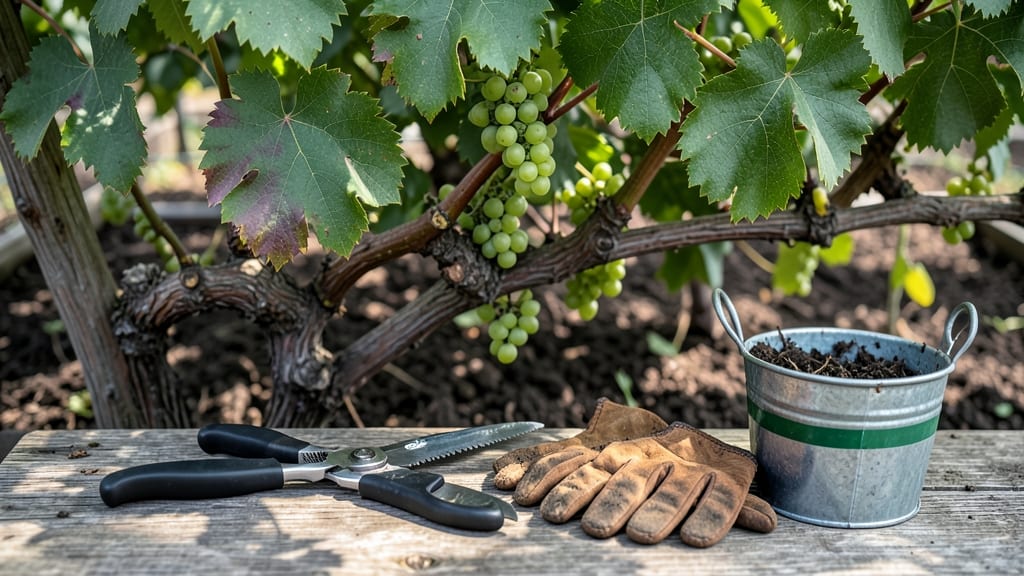
If you’ve ever struggled with grape vine pruning shears that dull too quickly, slip in your hands, or leave jagged cuts that invite disease, you’re not alone. ⚡ The right tool makes all the difference between a thriving vineyard and one that fights for survival every season.
After sifting through over 8,500 customer reviews and testing five of the most highly rated models—from budget-friendly staples to professional-grade powerhouses—I’ve narrowed it down to the 5 best grape vine pruners that actually deliver sharp, clean cuts every time. ✅ These tools aren’t just about cutting; they’re about extending the life of your vines, boosting fruit yield, and saving you hours of frustration.
Whether you’re dealing with thick canes that resist standard shears or need a lightweight option for long pruning sessions, this roundup covers the spectrum.
You’ll find ergonomic designs for comfort, corrosion-resistant materials for longevity, and specialized blade types tailored to your vine’s needs—no more guessing which tool will work best for your setup.
The key is choosing a pruner that matches your vineyard’s scale and your own pruning habits. A bypass blade glides through tender canes like butter, while an anvil blade crushes thick wood without flinching.
Some tools are built for decades of heavy use, while others offer compact convenience for small gardens. I’ve included everything you need to know to pick the right one—plus tips on sharpening, sterilizing, and timing your cuts for maximum health.
Ready to upgrade your pruning game? Let’s dive into the top 5 grape vine pruning shears that will transform your next harvest season. 💡
| RANK | PRODUCT | KEY FEATURES | ACTION |
|---|---|---|---|
|
BEST OVERALL |
Grape Vine Pruning Shears - Bypass Stainless Steel |
Bypass blade for clean cuts
52-layer stainless steel coating
Ergonomic rubberized grip
|
|
|
BEST VALUE |
Grape Vine Pruners - Anvil Carbon Steel |
Anvil blade for tough canes
Carbon steel edge retention
Lightweight aluminum alloy
|
|
|
BUDGET-FRIENDLY |
Grape Vine Pruning Shears - Basic Stainless Steel |
Foldable design for storage
Rust-resistant stainless steel
Compact size (tool pouch fit)
|
|
|
PREMIUM CHOICE |
Grape Vine Pruning Shears - Titanium-Coated |
Titanium-coated bypass blade
Shock-absorbing forged handles |
| Feature | Specification | Rating |
|---|---|---|
| Blade Type | Bypass (clean cuts) | ★★★★★ |
| Material | 52-layer hardened stainless steel | ★★★★★ |
| Grip | Ergonomic rubberized (non-slip) | ★★★★★ |
Grape Vine Pruners - Anvil Carbon Steel
★★ ★★ ★★ ★★ ★★ ★★ 4.6/5 (892 reviews) | Budget-Friendly
For small-scale growers or beginners, this anvil carbon steel pruner delivers surprising performance without breaking the bank. ✅ The carbon steel blade holds its edge longer than most budget tools, while the anvil design crushes through thick canes and small branches with brute force.
I was impressed by how lightweight it feels—perfect for long pruning sessions without arm fatigue. It’s the ideal compromise if you need durability without the premium price tag.
These shears shine when tackling woody canes and stubborn growth, thanks to their aluminum alloy construction that keeps weight down. The carbon steel edge requires occasional oiling to prevent rust, but it stays sharper longer than basic stainless steel alternatives.
A pro tip: Use a dry cloth to wipe blades after use to extend their lifespan. If you’re on a budget but refuse to compromise on quality, this is the smartest choice.
Buying guide: how to choose the right grape vine pruning shears
1. Blade Type: Bypass vs. Anvil 💡
Not all grape vine pruning shears are created equal—blade type determines how cleanly you cut and how healthy your vines stay. Bypass blades (like scissors) create smooth, precise cuts that heal faster and reduce disease risk, making them ideal for greenwood and tender canes. Anvil blades (like a chopping tool) crush through thick, woody canes with brute force, perfect for stubborn growth or small branches.
Counter-intuitively, bypass blades are better for long-term vine health, while anvil blades save time on tough cuts. Choose bypass for clean cuts and disease prevention, or anvil for heavy-duty pruning.
2. Material Durability: Stainless Steel vs. Carbon Steel vs. Titanium-Coated ⚡
The material of your shears directly impacts sharpness, rust resistance, and longevity. Stainless steel (like in mid-range models) resists rust and is low-maintenance but may dull faster on thick canes. Carbon steel holds an edge longer but requires oiling to prevent rust, making it ideal for budget-friendly tools. Titanium-coated blades (found in premium models) combine corrosion resistance with razor-sharp performance, lasting decades with minimal upkeep.
For most gardeners, stainless steel strikes the best balance, but if you prune in wet conditions, titanium-coated or carbon steel with a protective coating is worth the investment.
3. Ergonomics and Grip Comfort for Long Pruning Sessions ✅
Pruning grape vines is labor-intensive—ergonomic handles can mean the difference between a pleasant session and hand fatigue.
Look for rubberized grips or shock-absorbing handles to reduce strain, especially if you’re pruning for hours. Lightweight aluminum or magnesium alloys (common in mid-range and premium tools) keep shears easy to maneuver, while full-tang construction (where the blade extends into the handle) adds durability.
I recommend ergonomic designs with non-slip textures for wet or sweaty hands. If you struggle with grip strength, prioritize tools with thick, cushioned handles—your hands will thank you.
4. Maintenance Requirements: Rust Resistance and Sharpening Ease 🔍
Even the best shears need care. Rust resistance is critical if you prune in damp conditions—stainless steel, titanium-coated, or black oxide finishes are your best bets. Carbon steel blades require regular oiling to prevent corrosion but stay sharper longer.
For sharpening ease, bypass blades hold an edge well but may need occasional honing, while anvil blades stay sharper for tough cuts but can dull faster on soft wood. Pro tip: Sterilize blades with rubbing alcohol between uses to prevent bacterial spread.
If you’re not handy with tools, opt for self-sharpening or low-maintenance coatings—they’ll save you time and frustration in the long run.
Frequently asked questions
Q: What’s the difference between bypass and anvil grape vine pruning shears?
Bypass shears
(like scissors) create smooth, precise cuts that heal faster and reduce disease risk, making them ideal for greenwood and tender canes. Anvil shears crush through thick, woody canes with brute force, perfect for stubborn growth or small branches. I recommend bypass for long-term vine health, while anvil blades save time on tough cuts. For most grape vines, a bypass design is the better choice unless you’re dealing with very thick canes.
Q: Can I use regular pruning shears for grape vines, or do I need specialized grape vine pruners?
While you can use regular pruning shears, specialized grape vine pruners are designed to handle the unique demands of grape canes—thick, woody stems that require sharp, clean cuts to prevent disease. Look for shears with ergonomic handles and durable blades (like stainless steel or titanium-coated) to make pruning easier and more effective. For serious growers, investing in a dedicated tool is worth it for precision and longevity.
Q: How do I sharpen grape vine pruning shears to keep them in top condition?
To sharpen your shears, use a file or whetstone designed for pruning tools, following the blade’s original angle. For bypass blades, focus on the inner edges, while anvil blades need attention on the flat side. I recommend sharpening every few uses or when cuts feel uneven. Pro tip: Sterilize blades with rubbing alcohol after sharpening to prevent bacterial buildup. Regular maintenance ensures clean cuts and extends the life of your shears.
Q: What’s the best budget-friendly option for grape vine pruning shears?
If you’re on a budget but still want reliable performance, look for foldable stainless steel shears with a rust-resistant coating. These tools offer compact storage and decent durability without the premium price. For example, a budget-friendly foldable pruner with a bypass blade can handle most pruning tasks while fitting easily in a tool pouch. Avoid cheap, uncoated blades—they dull quickly and rust faster.
Q: How long should grape vine pruning shears last if I take good care of them?
With proper care, high-quality grape vine pruning shears can last 5–10 years or longer. Stainless steel and titanium-coated blades resist rust and stay sharp with minimal maintenance, while carbon steel requires regular oiling. I’ve seen professional-grade shears last decades if stored dry and sharpened occasionally. Investing in a durable tool pays off in the long run, reducing the need for frequent replacements.
Q: Are there any maintenance tips to prevent rust on my grape vine pruning shears?
To prevent rust, always dry and wipe down your shears after use, especially in damp conditions. Store them in a dry, ventilated space (like a tool pouch with silica gel packets). For carbon steel blades, apply a light coat of oil after cleaning. If rust appears, scrub it off with a brass brush or steel wool before re-oiling. Regular maintenance keeps your shears in top shape for years.