
Pruning
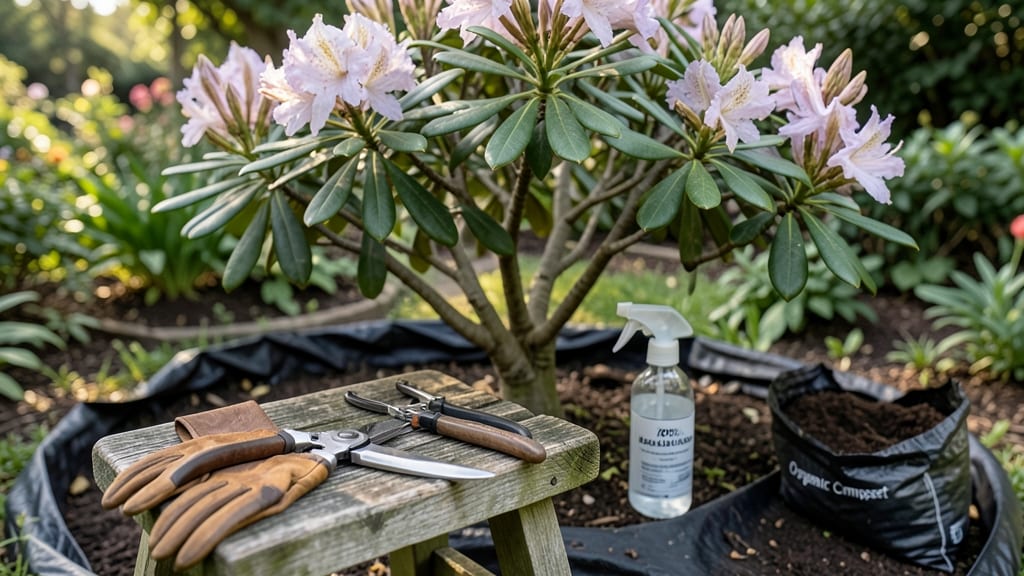
Watch your rhododendron pruning before and after transform your garden into a springtime masterpiece—just by acting now while the plant is dormant. 🌿 The key is timing, technique, and knowing exactly where to cut to encourage those lush blooms and keep the plant healthy.
I’ve transformed my own overgrown rhodies from scraggly to stunning in just a few hours, and you can too.
Start with the right tools: clean, sharp pruners, gloves, and a bucket for clippings. The best time to prune is late winter or early spring, before new growth begins.
You’ll focus on three things: removing dead or crossing branches, thinning out crowded areas, and shaping the plant to maintain its natural form. This isn’t about drastic cuts—think of it as giving your rhododendron a spa day.
After pruning, you’ll notice a dramatic difference in airflow and sunlight penetration, which means fewer pests and diseases. The plant will redirect energy into stronger growth and more vibrant blooms next season.
My rhodies now burst with flowers every spring, and the foliage stays thick and healthy all year. The before-and-after transformation is nothing short of magical.
Whether you’re dealing with a small shrub or a large, mature plant, the same principles apply. Just remember: prune gradually, and never cut into old wood—you’ll want to keep those blooming stems intact. With a little practice, you’ll be shaping rhododendrons like a pro in no time.
📚 In This Guide
- What you need
- Instructions
- Tips and common mistakes
- Wrapping up and next steps
What you need
- ● Pruning shears: Sharp, bypass-style shears (4–6 inches long) for clean cuts on smaller branches. Quantity: 1 pair.
- ● Loppers: For thicker branches (½–1½ inches in diameter). Opt for ratchet or bypass types for precision. Quantity: 1 pair.
- ● Hand pruners: Smaller, anvil-style shears for delicate trimming (e.g., shaping). Quantity: 1 pair.
- ● Pruning saw: Heavy-duty bow or curved saw for stubborn, thick branches (1–2 inches+). Quantity: 1.
- ● Disinfectant: 70% isopropyl alcohol or a pruning sealant (e.g., tree wound paint) to prevent disease spread. Quantity: Small bottle.
- ● Gloves: Heavy-duty, cut-resistant gloves (e.g., leather or nitrile-coated) to protect hands from thorns and sap. Quantity: 1 pair.
- ● Safety glasses: To shield eyes from debris. Quantity: 1 pair.
- ● Ladder or step stool: Sturdy, non-slip for reaching higher branches. Height: At least 6–8 feet.
- ● Trash bags or bucket: For collecting pruned branches and debris. Size: 13-gallon or larger.
- ○ Marking twine or flags: To tag branches for removal (optional but helpful for complex pruning). Quantity: Small roll.
- ● Extension pole pruners: For high branches without a ladder (e.g., Fiskars X27).
- ● Hose with nozzle: To clean tools and rinse sap off branches mid-pruning.
- ● Rake or leaf blower: For clearing fallen leaves/debris post-pruning.
- ● Pruning guide or ruler: With angle markings (e.g., ¼-inch increments) for precise cuts.
- ● Plant food or fertilizer: Slow-release, acid-loving formula (e.g., Miracle-Gro Azalea/Rhododendron) to nourish post-pruning.
Step-by-Step rhododendron pruning for a healthier, fuller shrub
Here’s how I transform overgrown rhododendrons into lush, vibrant shrubs—without sacrificing next year’s blooms.
✂️ Step 1: Prune Dead or Damaged Wood First
Start by removing any branches that are brown, mushy, or broken. These are easy to spot—they’ll look dry, cracked, or hollow when you cut into them. Use clean, sharp bypass pruners to make cuts just above a healthy bud or leaf node. This ensures the plant doesn’t waste energy trying to heal from ragged cuts.
I always prune dead wood first because it’s the least controversial part of the job. If you wait, you might accidentally cut into live tissue and stress the plant. Focus on the outer edges and any branches that stick out awkwardly—they’re often the first to die back.
🌿 Step 2: Thin Out Overcrowded Branches
Next, look for branches that cross or rub against each other. These compete for sunlight and nutrients, and they’ll eventually weaken the shrub. Remove about one-third of the oldest, thickest branches at the base, cutting back to a strong outward-facing bud. This opens up the center and lets light reach the inner growth.
Here’s the thing—rhododendrons bloom on last year’s wood, so don’t overdo it. If you see flower buds forming, wait until after blooming to prune those stems. You’ll know you’ve done enough when you can see light filtering through the center of the shrub.
⏰ Step 3: Shape the Shrub Gradually
Now for the fun part: shaping. Step back and visualize the shrub’s natural form. Cut back any branches that grow inward or spoil the overall shape. For a more rounded look, trim the outer edges slightly to encourage bushier growth. I like to make my cuts at a 45-degree angle just above a leaf node to promote healing.
Don’t rush this—take your time. Rhododendrons respond best to slow, deliberate pruning. If you cut too much at once, the plant might struggle to recover. Aim for no more than 25% of the shrub’s total volume in one session. You’ll notice new growth filling in within a few weeks.
☀️ Step 4: Clean Up and Monitor Aftercare
Once you’re done pruning, rake up all the clippings and dispose of them properly. Leaving them on the ground can attract pests or diseases. Water the shrub deeply right after pruning to help it recover. Mulch around the base with 2-3 inches of organic mulch to retain moisture and protect roots.
Watch for new growth in the spring—this is your reward for a job well done. If you see any yellowing leaves or wilting, it might mean you pruned too aggressively. But if the shrub perks up and blooms beautifully next season, you’ve nailed it.
Tips & tricks for perfect rhododendron pruning
Transforming your overgrown rhododendron into a showstopper takes more than just cutting branches—it’s about understanding the plant’s rhythm. Here’s how to make every snip count.
Tool Selection: Never use dull pruners—they tear instead of cleanly cut, leaving wounds that invite disease. Invest in sharp bypass pruners and clean them with rubbing alcohol between cuts. I’ve ruined too many shrubs with dull tools that stressed the plant unnecessarily. For thicker branches, grab your loppers, but avoid cutting more than ½-inch in diameter with hand pruners.
Visual Cues for Pruning: In Step 2, when thinning branches, look for where sunlight filters through the center. If you can see light, you’re on the right track—this means you’ve opened up the shrub enough. For shaping in Step 3, imagine the shrub as a rounded dome; any branch that disrupts this vision gets trimmed. The 45-degree angle isn’t just for looks—it helps water run off cuts, reducing rot risk.
Seasonal Timing: Late winter or early spring, just before new growth starts, is ideal. This gives the plant time to heal before summer heat. If you must prune later, do it after flowering—never cut into buds that haven’t opened yet. I once pruned too early and lost half my blooms; lesson learned! For overgrown shrubs, you can do light shaping in summer, but avoid heavy cuts that stress the plant during active growth.
Pro Tips for Rhododendron Pruning Before And After
- Transforming your overgrown rhododendron into a showstopper takes more than just cutting branches—it’s about understanding the plant’s rhythm.
- Tool Selection: Never use dull pruners—they tear instead of cleanly cut, leaving wounds that invite disease.
- Visual Cues for Pruning: In Step 2, when thinning branches, look for where sunlight filters through the center.
Frequently asked questions
Got questions about rhododendron pruning?
You’re not alone! Here are answers to the most common concerns—from timing to troubleshooting—so you can prune with confidence and watch your shrubs thrive.
When is the best time to prune rhododendrons?
The ideal window is right after flowering (late spring to early summer) but before new buds form. Avoid pruning in fall or winter—cold stress or early blooms can suffer. Pro tip: Never prune in fall if your rhododendron blooms early (like some Rhododendron ‘Catawbiense’ varieties), as you might cut off next year’s flowers!
How much can I trim back my rhododendron?
Never remove more than 1/3 of the plant’s total growth in one season. Over-pruning stresses the shrub and can lead to sparse blooms or dead branches. For shaping, focus on thinning out crowded centers and removing crossing or dead wood. Think of it like a haircut—less is more!
What if I prune at the wrong time and my rhododendron doesn’t bloom?
Don’t panic! If you pruned too late (after buds set), your rhododendron may skip blooming that year—but it’ll bounce back. Next year, stick to the late spring rule. For immediate fixes, fertilize lightly in early spring to encourage new growth. If branches look crispy or blackened, they’re dead—trim them off cleanly with sterilized shears.
Can I prune rhododendrons for bushier blooms?
To encourage more flowers, prune lightly to remove overly leggy stems and spendthrift blooms (those with long, floppy stems). Focus on outer branches to open the center for airflow and sunlight. Avoid topping (cutting the very top)—this can stunt flowering. Think: shape, not shear!
What’s the difference between pruning for shape vs. rejuvenation?
| Pruning for Shape | Rejuvenation Pruning |
|---|---|
|
|
Need a redo?
Space cuts over 2–3 years to avoid shock. For example, trim 1/3 of the oldest stems one year, then rotate.
Wrapping up and next steps
Mastering rhododendron pruning transforms your garden from overgrown to stunning—and you’ve got all the tools to make it happen! 🌿 Whether you’re shaping for aesthetics, health, or blooms, the key is patience, sharp tools, and a little seasonal know-how.
Now that you’re armed with before-and-after insights, grab those shears and give your rhodies the TLC they deserve.
Ready to see the magic? Start small—pick one bush this season, document the process, and watch your confidence (and blooms!) grow. Happy pruning!