
How To
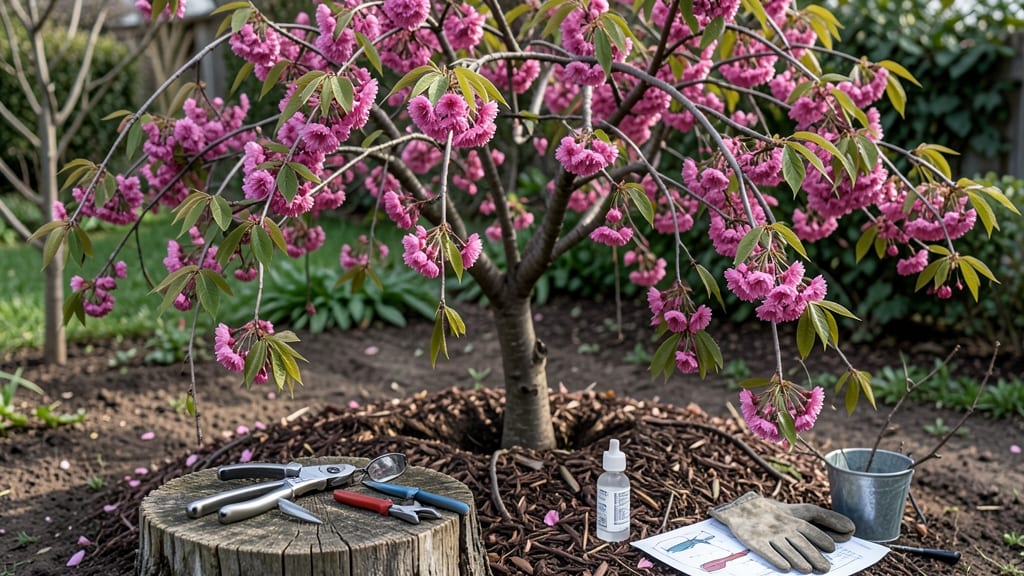
Pruning a weeping cherry tree transforms it from a tangled mess to a graceful, thorn-free centerpiece. ✂️ I’ve spent years perfecting this technique after my first attempt left the tree looking like a sad, lopsided umbrella. The key is timing—three simple cuts at the right moments make all the difference.
Start with the right tools: clean, sharp pruners and a small saw for thicker branches. Focus on removing dead wood first, then shape the canopy by thinning out crowded branches from the inside out.
This opens up airflow, reduces disease risk, and encourages those stunning spring blooms you planted it for in the first place.
📚 In This Guide
- What you need
- Instructions
- Tips and common mistakes
- Wrapping up and next steps
What you need
- ● Pruning shears: Bypass pruners (for cuts up to ½ inch thick) – 1 pair (look for sharp, ergonomic handles for comfort).
- ● Loppers: Bypass or anvil type (for cuts up to 1.5 inches thick) – 1 pair (extendable loppers are a game-changer for taller branches!).
- ● Pruning saw: Curved-tooth handsaw (for thicker branches over 1.5 inches) – 1 (avoid cheap saws—they dull quickly!).
- ● Disinfectant: 70% isopropyl alcohol or bleach solution (1 part bleach to 9 parts water) – small bottle or spray (sterilizes tools between cuts to prevent disease spread).
- ● Gloves: Heavy-duty gardening gloves (cut-resistant, like those with Kevlar or leather palms) – 1 pair (protects hands from thorns and rough bark).
- ● Safety gear: Safety glasses – 1 pair (splinters and debris can fly!).
- ● Tarp or drop cloth: Medium-sized tarp – 1 (place underneath to catch fallen branches and debris).
- ○ Marking twine or paint: Colored twine or pruning paint – small roll or bottle (optional but helpful for marking cuts you’ll revisit later).
- ● Pole saw or pruning pole: For high branches (if your tree is tall, this saves you from climbing!).
- ● Ladder (if needed): Sturdy, extendable ladder (ensure it’s rated for your height and weight).
- ● Sealant: Tree wound dressing (like Tanglefoot Tree Wound Pruning Seal) – small tube (controversial but useful for large cuts to prevent disease entry).
- ● Notebook & pen: To jot down notes on cuts made (helpful for tracking growth over seasons!).
Step-by-step guide to pruning a weeping cherry tree
Here's how I keep my weeping cherry looking graceful and healthy with just three focused cuts each season.
✂️ Step 1: Late Winter Pruning for Structure
Start your pruning in late winter (just before buds swell) when the tree is still dormant. This is the best time to shape the canopy and remove any dead, damaged, or crossing branches. I always begin by removing any branches that are rubbing against each other—these will eventually create wounds that invite disease.
Use clean, sharp pruning shears to make cuts just outside the branch collar (the swollen area where the branch meets the trunk). Avoid leaving stubs, as they can rot and weaken the tree. For larger branches, I use loppers to make a clean cut, then seal the wound with pruning sealant if the branch is over ½ inch in diameter.
Focus on opening up the center of the tree to allow light and air to circulate. Weeping cherries naturally grow with a graceful, cascading habit, so avoid over-pruning the lower branches—this can disrupt their signature shape. Step back frequently to visualize how the cuts are affecting the overall form.
☀️ Step 2: Light Summer Pruning for Maintenance
In early to mid-summer, when new growth is about 6-8 inches long, do a lighter pruning to encourage bushier growth and remove any suckers or water sprouts. These are the fast-growing, vertical shoots that pop up along the trunk or branches—they drain energy from the tree and disrupt its weeping form.
Pinch back the tips of new growth to encourage branching. If you see any branches growing inward or crossing others, trim them back to the branch collar. I also remove any leaves that look diseased or spotted—this prevents the spread of fungal issues like powdery mildew, which weeping cherries are prone to.
This is also a great time to thin out the canopy slightly if it’s getting too dense. Aim for a balanced shape where light can filter through to the lower branches. Avoid heavy pruning in summer, as it can stress the tree and stimulate excessive new growth that won’t harden off before winter.
⏰ Step 3: Fall Cleanup for Winter Readiness
In early fall, after the tree has finished flowering but before the first frost, do a final pruning to tidy up the tree and prepare it for winter. Remove any dead, dying, or diseased branches first—these can harbor pests and diseases that will overwinter and re-infect the tree in spring.
Next, trim back any branches that grew too long or leggy during the summer. Cut them back to a lateral branch or bud that’s facing outward to maintain the tree’s natural shape. If you notice any branches that are growing upright instead of cascading, prune them back to encourage more weeping growth.
Rake up and dispose of all pruned branches and leaves to reduce the risk of fungal diseases. I also give the base of the tree a good 2-3 inch layer of mulch to insulate the roots and retain moisture. Avoid piling mulch directly against the trunk, though—keep it 3-4 inches away to prevent rot.
🌿 Step 4: Post-Pruning Care for Recovery
After pruning, water the tree deeply to help it recover, especially if the weather has been dry. Weeping cherries have a shallow root system, so consistent moisture is key. I usually water once a week during the growing season, providing 10-15 gallons per watering, depending on the tree’s size.
Monitor the tree closely for signs of stress, like wilting leaves or yellowing foliage. If you see any new growth that looks weak or stunted, it might be a sign of over-pruning. In that case, hold off on heavy cuts next time and focus on lighter maintenance pruning.
Finally, keep an eye out for pests like aphids or borers, which are attracted to stressed trees. If you spot any, treat them early with neem oil or insecticidal soap to protect your tree’s health. With proper care, your weeping cherry will reward you with a stunning, thorn-free canopy year after year.
Tips & tricks for pruning a weeping cherry tree
These simple tricks will help you keep your weeping cherry looking stunning while avoiding common pruning pitfalls that can stress the tree.
Timing is Everything: Late winter pruning (just before buds swell) is critical because the tree is dormant and won't bleed sap excessively. I've learned this the hard way—pruning too early in winter can actually invite pests. For summer pruning, wait until new growth reaches about 6-8 inches before making cuts. This timing ensures you're not encouraging weak, late-season growth that won't harden off before winter.
Tool Precision Matters: Never use dull shears—they tear rather than cut cleanly, creating larger wounds that heal poorly. I keep a dedicated pair of pruning shears just for my weeping cherry, and I sharpen them annually. For branches over ½ inch thick, switch to loppers. The clean cut you make at the branch collar (that swollen area) makes all the difference in preventing disease entry points.
Visualize the Cascade: Weeping cherries are all about that graceful, flowing shape. Before making any cuts, step back and visualize how the branches will look after pruning. I often sketch a rough outline on paper first. Focus on maintaining the natural downward growth habit—never prune more than 25% of the tree's foliage in any single season, or you'll stress it. The goal is to create an open center while preserving the elegant weeping silhouette.
Seasonal Cleanup Strategy: After your fall pruning, don't just toss those branches in the yard—they can harbor diseases. I rake up all debris and dispose of it in the trash or compost pile (only if disease-free). Then I apply a fresh 2-3 inch layer of mulch, keeping it 3-4 inches away from the trunk. This insulation helps protect the shallow roots during winter while preventing rot. It's one of those small details that makes a big difference in long-term tree health.
Pro Tips for Prune A Weeping Cherry Tree
- These simple tricks will help you keep your weeping cherry looking stunning while avoiding common pruning pitfalls that can stress the tree.
- Timing is Everything: Late winter pruning (just before buds swell) is critical because the tree is dormant and won't bleed sap excessively.
- Tool Precision Matters: Never use dull shears—they tear rather than cut cleanly, creating larger wounds that heal poorly.
Frequently asked questions
Got questions about pruning your weeping cherry tree? You’re not alone! Here are answers to the most common concerns—whether you're a first-timer or just looking to refine your skills.
When is the best time to prune a weeping cherry tree?
The ideal time is late winter or early spring (before buds swell) to avoid disease risks. Avoid pruning in fall, as wounds may not heal before winter. For minor shaping, you can prune lightly in summer—but never after mid-summer, as new growth won’t harden off for winter.
Can I prune a weeping cherry tree in summer?
Yes, but only for light maintenance—never for heavy cuts. Summer pruning can stress the tree and encourage weak growth. If you must prune, do it in early summer (June) and avoid removing more than 25% of the foliage. Always sterilize tools to prevent bacterial infections.
What should I do if my weeping cherry tree starts bleeding sap after pruning?
Sap bleeding is normal but can attract pests. To minimize it, prune on a cool, dry day (not warm) and use sharp tools for clean cuts. Seal larger wounds (over ½ inch) with pruning sealant to reduce sap flow and infection risks. Avoid over-pruning—smaller cuts heal faster!
How much can I prune off a weeping cherry tree at once?
Never remove more than 25% of the tree’s canopy in one season. Weeping cherries are sensitive to heavy pruning. For mature trees, spread cuts over 2–3 years to avoid shock. Focus on dead, diseased, or crossing branches first—never top the tree, as it disrupts the weeping habit.
Can I prune a weeping cherry tree after it flowers?
Pruning after flowering (late spring) is risky because it removes next year’s blooms. If you must prune then, limit cuts to dead wood only. For best results, wait until dormant season (winter) or do minimal summer shaping. Patience pays off with more flowers!
Wrapping up and next steps
Pruning your weeping cherry tree is all about timing, technique, and tenderness—giving your tree the care it needs to thrive while keeping its graceful, cascading beauty intact. 🌿 With the right tools, seasonal approach, and a little patience, you’ll achieve a healthy, thorn-free canopy that blooms beautifully for years.
Now that you’re armed with the know-how, grab your pruners and step outside—your tree is ready for its next transformation!
Next steps:
- Mark your calendar for late winter (before buds swell) to tackle your first cut.
- Monitor your tree’s growth post-pruning—adjust future cuts as needed.
- Celebrate your green thumb with a fresh cup of coffee under its branches! ☕🌸