
Pruning
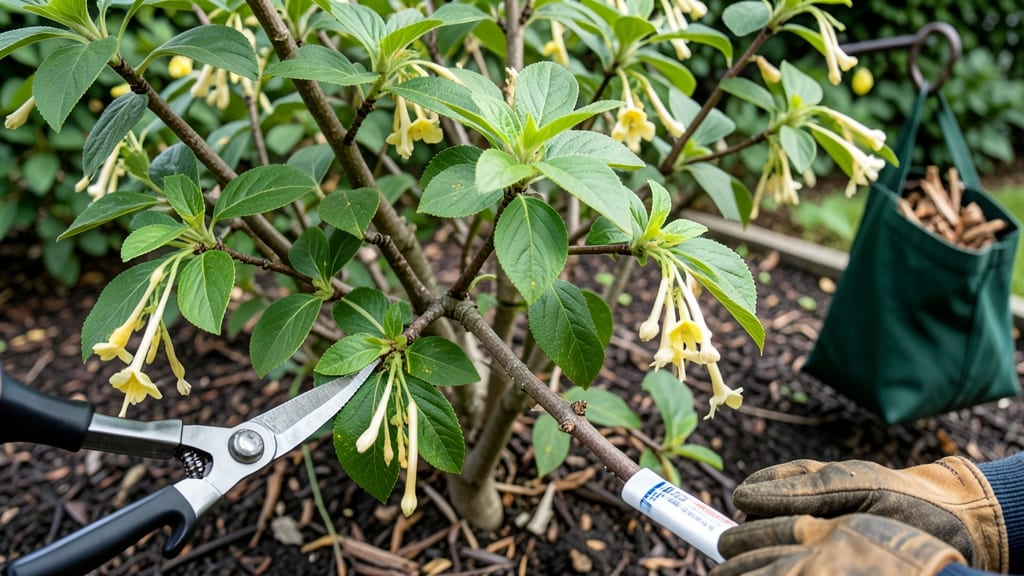
Your pruning honeysuckle bush can go from tangled mess to thriving, fragrant beauty with just three seasonal cuts—and no more painful thorns snagging your sleeves. ✂️ I’ve turned my once-unruly honeysuckle into a sunlit, bird-friendly canopy by mastering the right timing and technique, and you can too.
The secret isn’t complicated: it’s about working with the plant’s natural growth cycles, not against them.
Most gardeners prune honeysuckle at the wrong time—either too early, when the plant is still dormant, or too late, when new growth has already started. The best time is right after flowering in early summer, followed by light shaping in late summer and a deeper clean-up in late winter.
Each cut serves a purpose: summer pruning boosts next year’s blooms, summer shaping keeps the bush tidy, and winter pruning removes deadwood and thorny growth. You’ll notice better airflow, fewer pests, and more fragrant flowers within a single season.
Start with sharp bypass pruners (dull blades tear bark) and focus on removing 1/3 of the oldest stems each winter. Summer cuts should target leggy growth and suckers at the base, while late-summer shaping keeps the bush compact.
After pruning, give the plant a light watering and a layer of mulch to protect roots—your bush will reward you with lush, thorn-free growth and a stronger structure for years to come.
This method works for both native honeysuckles and cultivated varieties, whether you’re pruning a sprawling vine or a compact bush. The key is consistency—stick to the seasonal rhythm, and your honeysuckle will stay healthy, productive, and easy to enjoy. Ready to transform that tangled thicket into a fragrant, low-maintenance beauty?
Root Causes Of Overgrowth
Honeysuckle bushes thrive with vigor, but that same energy can lead to unruly, tangled growth if left unchecked. Understanding why your honeysuckle sprawls or becomes dense is the first step to restoring balance. Here’s a breakdown of the key factors driving excessive growth—and how to address them.
Honeysuckle bushes, especially Lonicera varieties, are fast-growing plants with deep, invasive root systems. Their roots spread aggressively to absorb water and nutrients, fueling rapid above-ground growth. In ideal conditions—such as full sun, moist soil, and rich organic matter—they can produce 12+ inches of new growth per year.
Why it happens:
- Natural survival instinct: Honeysuckle evolved to colonize quickly, filling gaps in ecosystems. Without pruning, they prioritize horizontal expansion over vertical structure.
- Over-fertilization: Excess nitrogen (from lawn fertilizers or compost) triggers lush foliage but weak stems, leading to floppy, tangled vines.
- Lack of competition: In gardens without competing plants, honeysuckle dominates, sending out more suckers and lateral branches.
💡 Pro Tip: If your bush is exploding with growth, test your soil’s nitrogen levels. A balanced 10-10-10 fertilizer (or organic alternatives like bone meal) can curb excessive soft growth while supporting healthy blooms.
Pruning at the wrong time or using the wrong methods sends mixed signals to the plant, encouraging more growth where you don’t want it. Honeysuckle responds to pruning cues—cutting too late in the season or hacking back randomly can trigger a surge in new shoots.
Why it happens:
- Late-season pruning: Trimming after early summer (when buds form for next year’s blooms) confuses the plant, leading to wild, leggy growth in spring.
- Over-pruning in one session: Removing more than 1/3 of the bush at once stresses the plant, prompting compensatory growth to recover lost foliage.
- Not thinning out: Simply cutting back top growth (rather than removing entire branches at the base) leaves a dense center, where fungal diseases and pests thrive, further stressing the plant.
✨ Key Insight: Honeysuckle blooms on old wood (last year’s growth), so prune right after flowering (late spring/early summer) to shape without sacrificing blooms. Use clean, sharp shears to make angled cuts just above a leaf node or bud.
When honeysuckle bushes experience stress—whether from drought, poor drainage, or nutrient deficiencies—they often react by growing more aggressively to compensate. This can manifest as thin, weak stems or excessive suckering (sprouts from the base).
Why it happens:
- Drought stress: In dry conditions, roots seek water by sending up more shoots, creating a thicket of small, water-seeking stems.
- Compacted or waterlogged soil: Poor oxygen flow to roots forces the plant to spread horizontally, leading to surface-level growth instead of a structured bush.
- Micronutrient deficiencies: Lack of phosphorus or potassium (common in sandy soils) weakens stems, causing the plant to produce more but weaker growth.
🔥 Fix It:
- Improve soil aeration with organic mulch (wood chips or compost) to retain moisture.
- Add slow-release granular fertilizer (like 5-10-10) in early spring to avoid nutrient spikes.
- Water deeply 1-2 times per week during droughts to encourage root depth over surface sprawl.
By identifying these root causes, you can tailor your pruning strategy to control growth naturally—without resorting to harsh chemical treatments. The key? Prune strategically, monitor soil health, and respond to the plant’s signals.
Quick Fixes for Overgrown Honeysuckle
If your honeysuckle bush has spiraled out of control—think tangled vines, dense canopies, or invasive spread—don’t panic. With the right approach, you can restore order and keep your plant healthy.
Below, we break down common issues and their solutions, from seasonal pruning to preventative care, so your honeysuckle thrives without taking over your yard.
Problem: Unchecked growth leads to a messy, unruly bush that blocks sunlight, crowds other plants, and becomes difficult to maintain. Solution:Start by thinning out dense areas to improve airflow and light penetration. Here’s how:
- 🔪 Cut back 1/3 of the oldest stems at the base in early spring (before new growth). These are usually thicker and less flexible.
- 🌱 Trim back any leggy or weak stems to encourage bushier growth. Aim for a balanced shape by removing stems that cross or rub against each other.
- 🌿 Use sharp pruners or loppers for clean cuts—avoid tearing the bark, which can invite disease.
Pro Tip: If your honeysuckle is vine-type (like Japanese honeysuckle), train it along a trellis or fence to control its spread naturally. 💡
Problem: Honeysuckle’s aggressive roots and vines can creep into flower beds, lawns, or neighboring plants, choking out everything else. Solution:Contain it with these targeted pruning and barrier methods:
- 🛡️ Install a root barrier (like buried landscape fabric or edging) to block underground spread. Dig it at least 12–18 inches deep.
- 🌳 Prune roots carefully if they’re encroaching: Use a spade to cut roots 6–12 inches deep along the perimeter of the bush. Seal cuts with root-pruning sealant (optional but helpful).
- 🌿 Monitor and prune suckers (new shoots) regularly—they’re the plant’s way of colonizing new territory.
Pro Tip: For persistent invaders, consider mulching with cardboard or landscape fabric around the base to smother emerging shoots. ✨
Problem: Brown, mushy, or hollow stems signal disease (like powdery mildew or canker) or pest damage, which can weaken the plant. Solution:Revive your honeysuckle with these sanitized cuts and care steps:
- 🧼 Sterilize tools with rubbing alcohol or bleach solution (1 part bleach to 9 parts water) before and after pruning to prevent spreading disease.
- 🗑️ Remove dead/diseased wood completely—don’t leave stubs. Cut back to healthy green tissue or a side branch.
- 💧 Improve airflow by thinning the canopy. Space branches 6–12 inches apart to reduce humidity (a breeding ground for fungi).
- 🌿 Apply fungicide (like neem oil or copper spray) if you spot mildew or spots. Reapply every 7–10 days until the issue clears.
Pro Tip: If canker (a sunken, oozing wound) is present, avoid pruning during wet weather—it worsens the problem. 🌡️
Problem: Your honeysuckle is all leaves and no blooms, or new growth is sparse and weak. Solution:Boost flowering and vigor with these pruning and feeding tricks:
- 🌸 Prune after flowering (late summer/early fall) to encourage next year’s blooms. Cut back 1/3 of the oldest stems to stimulate new growth.
- 🌱 Fertilize lightly in early spring with a balanced 10-10-10 fertilizer or compost. Too much nitrogen = more leaves, fewer flowers!
- ☀️ Ensure full sun (6+ hours daily). Honeysuckle blooms best in bright, open conditions.
- 💧 Water deeply but infrequently—overwatering stresses roots. Aim for 1–1.5 inches per week.
Pro Tip: If your honeysuckle is stressed, a foliar spray of seaweed extract can give it a nutrient boost without overloading the soil. 💪
Keep your honeysuckle bush managed and healthy with these easy habits:
- 📅 Prune seasonally:
- Early spring: Shape and thin (before buds swell).
- Late summer/fall: Light prune to encourage blooms.
- Avoid heavy pruning in winter—it stresses the plant.
- 👀 Watch for pests (like aphids or spider mites). Blast them off with water or use insecticidal soap if needed.
- 🌿 Mulch around the base (2–3 inches of wood chips or straw) to retain moisture and suppress weeds.
- 🌳 Avoid overcrowding—plant honeysuckle 3–5 feet from structures to prevent it from smothering nearby plants.
With consistent care, your honeysuckle will reward you with fragrant blooms, lush foliage, and a well-behaved shape—no thorny mess in sight! 🎯
Frequently asked questions
When is the best time to prune my honeysuckle bush?
Prune your honeysuckle in three key windows: right after flowering (late spring/early summer), light shaping in late summer, and a deeper clean-up in late winter. This seasonal rhythm keeps the plant healthy and encourages more blooms. Avoid heavy pruning in winter—it stresses the plant when it's dormant.
How much should I cut back during each pruning session?
Never remove more than 1/3 of the bush in a single session. For winter pruning, focus on removing oldest, thickest stems at the base. Summer pruning should target leggy growth and suckers, while late-summer shaping keeps the bush compact. Always make cuts just above a leaf node or bud for best results.
Can I prune honeysuckle in fall?
Light pruning in late summer/early fall is fine to shape the bush, but avoid heavy cuts. Fall pruning can stimulate tender new growth that won't survive winter frosts. If you must prune in fall, limit it to removing dead or diseased branches and light shaping—never more than 10-15% of the plant.
Why does my honeysuckle keep growing back after pruning?
Honeysuckle is a vigorous plant that naturally produces suckers from the roots and lateral buds. To control regrowth, always cut back to the base when removing stems. For persistent suckers, consider installing a root barrier (12-18 inches deep) around the perimeter. Mulching with cardboard can also help smother emerging shoots.
What tools do I need for proper honeysuckle pruning?
Start with sharp bypass pruners for small branches and loppers for thicker stems. A pruning saw may be needed for very thick growth. Always sterilize tools with rubbing alcohol between cuts to prevent disease spread. Avoid hedge trimmers—they can tear bark and damage the plant.