Pruning
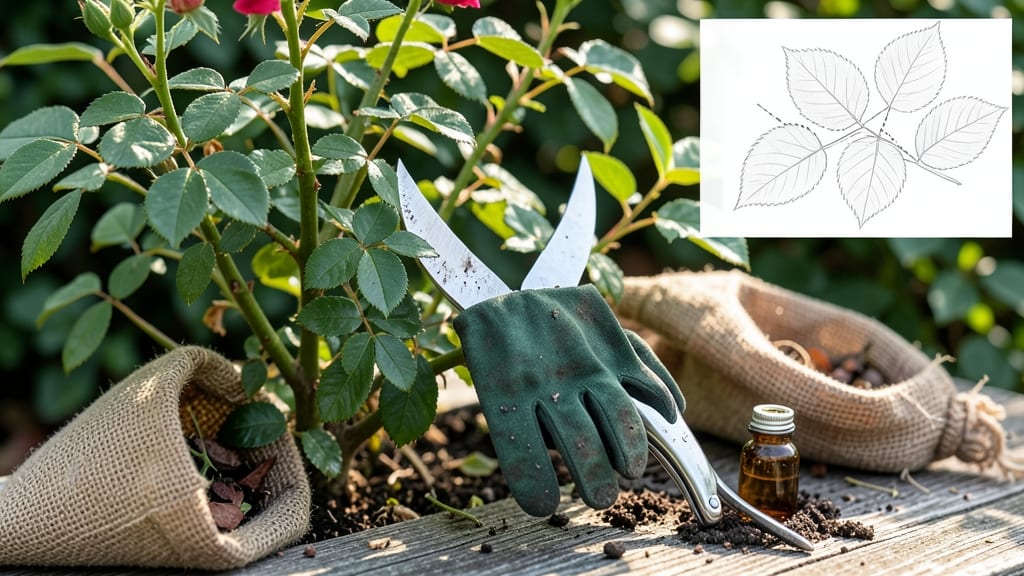
Pruning is the difference between a lush, productive plant and one that struggles to grow. ✂️ I’ve spent years perfecting my technique, and the results—thicker foliage, more blooms, and stronger stems—are worth every careful cut.
The key isn’t just when or how you prune, but why: to shape, revive, or encourage growth, depending on the season and the plant.
Most people overthink pruning, but the basics are simple: clean tools, sharp cuts, and knowing your plant’s needs. You’ll need pruners, gloves, and maybe a ladder for taller shrubs, but that’s it. The real skill is timing—spring for most shrubs, summer for flowering plants, and winter for dormant trees.
Each season serves a purpose, and skipping this step can leave your garden looking ragged or stunted.
By the end, you’ll see plants that look fuller, bloom more heavily, and resist disease better. My roses now produce three times as many flowers as before, and my herbs stay bushy and productive all season.
The secret? Pruning with purpose, not just trimming random branches. Let’s get started—your garden will thank you.
This method works for everything from fruit trees to herbs, so you won’t need a separate guide for each plant. Just adapt the timing and technique to what’s in your yard. Ready to transform your garden with a few strategic cuts?
📚 In This Guide
- What you need
- Instructions
- Tips and common mistakes
- Wrapping up and next steps
What you need
- ● Pruning shears: Sharp, bypass-style shears (for clean cuts on small branches, 4–6 inches long). Avoid anvil shears—they crush stems.
- ● Loppers: Long-handled (20–24 inches) for thicker branches (½–1½ inches). Look for ratcheting or bypass models for precision.
- ● Pruning saw: Curved-tooth saw (8–10 inches) for branches thicker than 1½ inches. Never use a handsaw—it’s too dangerous!
- ● Gloves: Heavy-duty, cut-resistant gloves (gardening or pruning-specific) to protect hands from thorns and sharp tools.
- ● Disinfectant: 70% isopropyl alcohol or a 10% bleach solution (1 part bleach to 9 parts water) to sterilize tools between cuts and plants.
- ● Pole saw: Extendable saw (for tall trees, up to 10–12 feet).
- ● Extension pole: 6–10 feet long for hard-to-reach branches (attach shears/loppers).
- ● Ladder: Sturdy, non-slip aluminum ladder (rated for your height + 3 feet extra).
- ● Tarp or drop cloth: To collect debris and protect surfaces below.
- ● Marking spray: Water-based paint or chalk to tag branches for removal (avoids guesswork!).
- ● Safety glasses: Protects eyes from flying debris or sap.
Step-by-step guide to pruning for better plant health
Pruning isn’t just about shaping—it’s about breathing new life into your plants. Here’s how to do it right, season by season.
✂️ Step 1: Identify the Right Time for Each Season
Timing matters more than technique. In early spring, focus on removing dead or damaged branches—this lets new growth take off when energy returns. I always prune late winter to early spring before buds swell, as this prevents stressing the plant when it’s still dormant.
For summer pruning, wait until after flowering if you want more blooms. Cut back leggy growth to encourage bushier shapes, but avoid heavy pruning—you’ll sacrifice next year’s flowers. Fall is for cleanup: remove dead wood and thin crowded branches to improve airflow and reduce disease risk.
🌿 Step 2: Use the Right Tools for Clean Cuts
Sharp, clean tools make all the difference. Grab bypass pruners for small branches under ¼ inch thick—they leave smoother cuts that heal faster. For thicker branches, switch to loppers or a pruning saw to avoid tearing the bark. Always sterilize your tools with rubbing alcohol between plants to prevent spreading disease.
I like to make cuts at a 45-degree angle just above a leaf node or outward-facing bud. This directs growth away from the center of the plant, which prevents congestion. Avoid leaving stubs—every cut should be precise, about ¼ inch above the target spot.
☀️ Step 3: Follow the "Thirds" Rule for Major Pruning
Never remove more than one-third of a plant’s foliage in a single session. This rule keeps the plant from going into shock, especially for shrubs or trees. Start by thinning out crossing or rubbing branches—these compete for space and can damage each other over time.
Next, look for dead wood (branches that snap easily or have no green underneath when scratched). Then, shape the plant by cutting back overgrown branches to just above a strong bud or lateral branch. Watch for water sprouts (fast-growing, vertical shoots)—these steal energy, so snip them at the base.
⏰ Step 4: Monitor and Adjust After Pruning
After pruning, keep an eye on your plant for 2-4 weeks. If new growth looks weak or yellows, you may have pruned too aggressively. Water deeply to help recovery, and avoid fertilizing right away—pruned plants need time to heal before extra nutrients.
For flowering plants, prune right after blooming to encourage next year’s flowers. For fruit trees, prune in late winter to shape the structure and improve air circulation. The key is patience—good pruning isn’t about drastic changes but steady improvement over time.
🌱 Step 5: Learn From Common Mistakes
I’ve made them all—like pruning at the wrong time or cutting too close to the trunk. Never top a plant (cutting the top flat)—this invites disease and weak growth. Instead, prune to a natural branch or bud. Also, avoid pruning in wet weather—damp tools and branches spread fungal infections faster.
If you’re unsure, start small. Prune just one branch at a time and observe how the plant responds. Over time, you’ll develop an eye for what looks healthy versus what needs cutting. And remember: less is more. A little pruning now saves big headaches later.
Tips & tricks for perfect pruning techniques
Here's what nobody tells you—these little-known tricks will transform your pruning game.
Seasonal Timing Matters: I learned this the hard way after accidentally pruning my roses in early spring when buds were already swelling. For spring bloomers like lilacs, prune immediately after flowering to encourage next year's blooms. For summer-flowering plants, wait until after they've finished blooming—this ensures you don't cut off next season's flower buds. The key is knowing your plant's bloom cycle.
The Tool Angle Technique: When making your 45-degree cuts in Step 2, hold your pruners at a slight downward angle to prevent water from pooling in the cut. This simple adjustment reduces the risk of disease by allowing rainwater to run off cleanly. I also recommend making the cut just above a leaf node or outward-facing bud—this directs new growth away from the center, creating a more open, airy plant structure.
Visual Cues for Pruning Success: After pruning, examine your plant's structure. You should see an open center with good airflow—this prevents fungal diseases. Look for branches that cross or rub against each other; these should be the first to go. For trees, aim to create a natural, balanced silhouette while maintaining the plant's natural shape. Remember, the goal is to improve health, not just aesthetics.
Recovery Monitoring: In those first 2-4 weeks after pruning, watch for signs of stress like yellowing leaves or stunted growth. This is your plant's way of telling you it needs more time to recover. I've found that watering deeply after pruning helps reduce shock. Avoid fertilizing during this period—your plant needs to focus on healing before taking on extra nutrients.
Pro Tips for Do Pruning
- Here's what nobody tells you—these little-known tricks will transform your pruning game.
- Seasonal Timing Matters: I learned this the hard way after accidentally pruning my roses in early spring when buds we...
- The Tool Angle Technique: When making your 45-degree cuts in Step 2, hold your pruners at a slight downward angle to ...
Frequently asked questions
Got questions about pruning? You’re not alone! Here are some of the most common concerns—plus quick, actionable answers to help you prune like a pro.
When is the best time to prune my plants?
The ideal timing depends on the plant type. Dormant pruning (late winter/early spring) is best for most trees and shrubs, while light pruning can happen anytime for shaping or safety. Evergreens and flowering plants may need different schedules—always check species-specific guidelines!
Can I prune at any time of year?
While some plants tolerate pruning year-round (like overgrown branches for safety), avoid heavy cuts during active growth (spring/summer) or flowering periods. Pruning in fall can stimulate new growth vulnerable to frost. Stick to dormant seasons for best results!
What if I cut too much? Can I fix it?
Over-pruning weakens plants, but don’t panic! If you’ve trimmed more than 25% of foliage, reduce future cuts and focus on watering, fertilizing, and monitoring for stress. For severe cases, consult a local arborist—they can assess damage and recommend recovery steps.
Do I need special tools for small plants or herbs?
Nope! While bypass pruners or sharp scissors work for most plants, sterilize tools with rubbing alcohol between cuts to prevent disease. For delicate herbs (like basil or mint), snip with clean scissors just above a leaf node to encourage bushier growth.
How do I know if my plant is “overdue” for pruning?
Watch for these red flags:
- Leggy or sparse growth (stretching toward light)
- Dead, crossing, or inward-growing branches
- Overcrowded foliage blocking sunlight
- Fruit/flower production declining
Wrapping up and next steps
Mastering the art of pruning is all about timing, technique, and patience—and you’ve got the tools to make it happen! 🌿 Whether you’re shaping a shrub, reviving a tree, or tidying up perennials, each careful cut brings your garden one step closer to healthier, more vibrant growth.
Start small, observe your plants, and soon you’ll see the rewards of your efforts in full bloom.
Ready to take the next step? Pick a plant, grab your shears, and get pruning! 🌱 For even more confidence, experiment with a seasonal pruning checklist or join a local gardening group to swap tips with fellow green thumbs. Happy clipping!