
How To
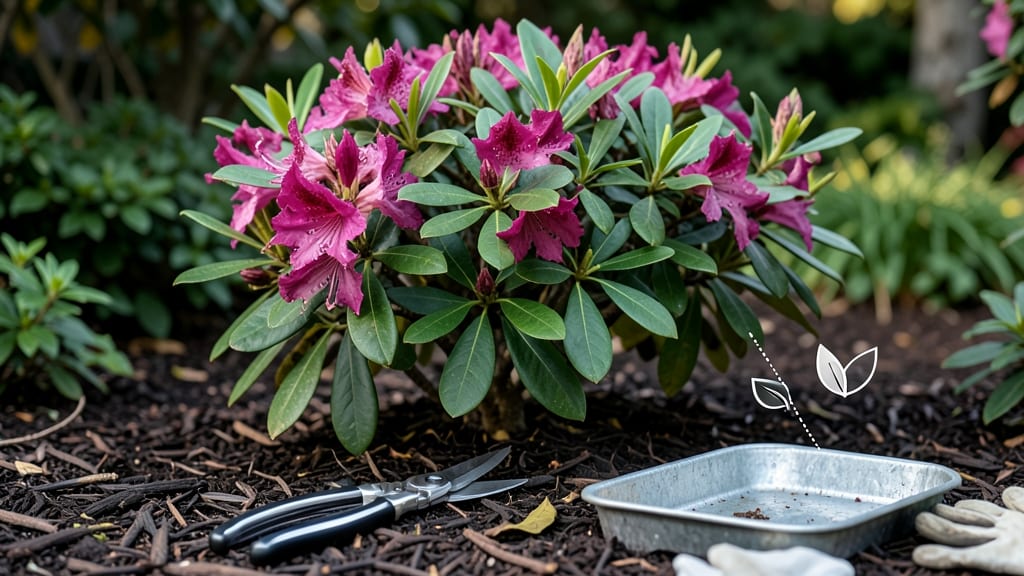
Pruning rhododendron at the right time sets the stage for next year’s showstopping blooms 🌸 — and late winter is the secret weapon most gardeners miss.
Picture this: you’ve just admired your rhododendron’s vibrant spring display, but by summer, the branches look tangled and the flowers are sparse. The culprit? Pruning at the wrong time.
Late winter, after the frost but before new buds swell, is when these shrubs need a fresh start to channel energy into stronger growth and bigger blooms.
Why does timing matter so much? Because pruning in late winter avoids stressing the plant during its active growing season. It also prevents disease by cutting back before fungal spores spread in warm, wet weather.
Plus, you’ll skip the heartbreak of trimming off next year’s flower buds if you prune after they’ve already opened.
In this guide, I’ll walk you through exactly when to prune, how to do it right, and what to avoid—so your rhododendron thrives for years to come.
Why late winter is the optimal time to prune rhododendrons
If you’ve ever wondered why your rhododendrons aren’t blooming as beautifully as they used to, the answer might lie in your pruning timing. Late winter—just after the last frost and before new growth—is the sweet spot for pruning these acid-loving shrubs.
This timing aligns perfectly with their natural dormancy cycle, setting the stage for vibrant spring blooms and healthier foliage.
Many gardeners make the mistake of pruning in early spring or even fall, but these windows can stress the plant or expose it to disease risks. Late winter pruning, however, gives your rhododendrons a head start on the growing season while minimizing pests and pathogens.
Think of it as giving your plant a fresh start before the sap begins to flow.
Here’s why late winter is the golden window for pruning rhododendrons, backed by science and practical gardening wisdom:
Late winter finds rhododendrons in deep dormancy, meaning they’ve conserved energy and aren’t actively growing. Pruning during this time reduces stress and prevents bleeding (the oozing of sap), which can occur if you prune too early in early spring.
Pruning in late winter encourages new growth from buds at the base of stems, which translates to more flowers next season. This is because you’re removing old, woody growth that competes with flowering stems for energy.
Pruning in warm, wet springs or fall can open wounds that attract fungal diseases like powdery mildew or botrytis. Late winter’s cooler temperatures and dry conditions create a safer environment for healing.
Many gardeners over-prune in early spring because they can’t wait to shape their plants. Late winter pruning lets you take your time and focus on precision, avoiding the temptation to cut too much at once.
Rhododendrons naturally slow growth in late winter, making it the ideal time to reshape and rejuvenate without disrupting their energy reserves. This seasonal sync ensures healthier root development and foliage growth.
Timing is everything when it comes to pruning rhododendrons, and late winter offers the perfect balance of plant health and aesthetic results. The key is to prune after flowering—typically in February or March, depending on your USDA hardiness zone.
For example, in Zone 6, aim for late February, while in Zone 8, early March works best.
One common misconception is that you should prune rhododendrons right after they bloom. However, this can remove next year’s flower buds, which form on old wood during the previous growing season. Late winter pruning preserves these buds while still encouraging new growth from the base.
Climate plays a critical role in determining the exact timing. In colder regions, wait until after the last frost but before new shoots emerge.
In milder climates, you might prune as early as January, but always avoid pruning in fall, as this can stunt growth and invite pests.
If you’ve ever pruned your rhododendrons at the wrong time, you might have noticed fewer blooms or weak new growth. Late winter pruning corrects these issues by giving your plant the best possible start to the growing season.
Plus, the cleaner shape you achieve now will showcase your rhododendrons beautifully when they burst into bloom next spring.
So, mark your calendar for late February or early March—this is your best window to prune rhododendrons for healthier plants and show-stopping flowers. Your future self (and your neighbors!) will thank you. 🌸
Step-by-step late winter pruning guide for rhododendrons
Pruning your rhododendrons in late winter is the secret to healthier plants and more vibrant blooms next season. This is when your shrubs are dormant but not yet pushing new growth—making it the ideal window for shaping and revitalizing.
If you’ve missed this timing before, don’t worry; I’ll walk you through everything you need to know, from tools to techniques, so you can prune like a pro.
Before you grab your shears, it’s crucial to understand why late winter works best. Pruning now removes dead or weak branches while allowing your rhododendron to focus its energy on new growth as temperatures warm.
Plus, you’ll avoid the risk of disease spread that comes with pruning during wet spring conditions. Let’s dive into the step-by-step process to ensure your rhododendrons thrive for years to come.
- Clean, sharp bypass pruners for small branches
- Loppers for thicker stems (up to 1-inch diameter)
- Disinfectant (rubbing alcohol or bleach solution) to sterilize tools
- Gloves to protect from sap and thorns
- Cut out dead or dying branches (no green tissue inside)
- Remove crossing or rubbing branches to improve airflow
- Look for weak, spindly growth from last season
- Avoid cutting into old wood (brown, woody stems)
- Cut just above a leaf bud or lateral branch
- Use a 45-degree angle for larger branches (1/4 inch above bud)
- Never leave stubs—always cut cleanly
- Step back often to check your shape
- Apply a 2-3 inch layer of mulch around the base
- Water deeply but lightly to avoid disturbing roots
- Wait until spring to fertilize with acid-loving plant food
- Monitor for new growth in 4-6 weeks
One of the biggest mistakes gardeners make is over-pruning their rhododendrons. These shrubs rely on old wood for next year’s blooms, so avoid cutting back more than 1/3 of the plant.
If you accidentally remove too much, don’t panic—your rhododendron will still recover, but you might see fewer flowers the following season. Focus on shaping and thinning rather than drastic reductions.
After pruning, your rhododendron will need some extra care to bounce back strong. I recommend applying a slow-release, acid-loving fertilizer in early spring once new growth appears. This gives your plant the nutrients it needs to replenish energy and produce those stunning blooms.
Pair this with a thick layer of organic mulch to retain moisture and regulate soil temperature—especially important if you’re in a warmer climate where late winter can still be mild.
Remember, the goal isn’t just to clean up your rhododendron—it’s to encourage healthy growth and maximize next year’s flowers. With these steps, your shrubs will thank you with lush foliage and show-stopping blooms in spring. Happy pruning! 🌸