How To
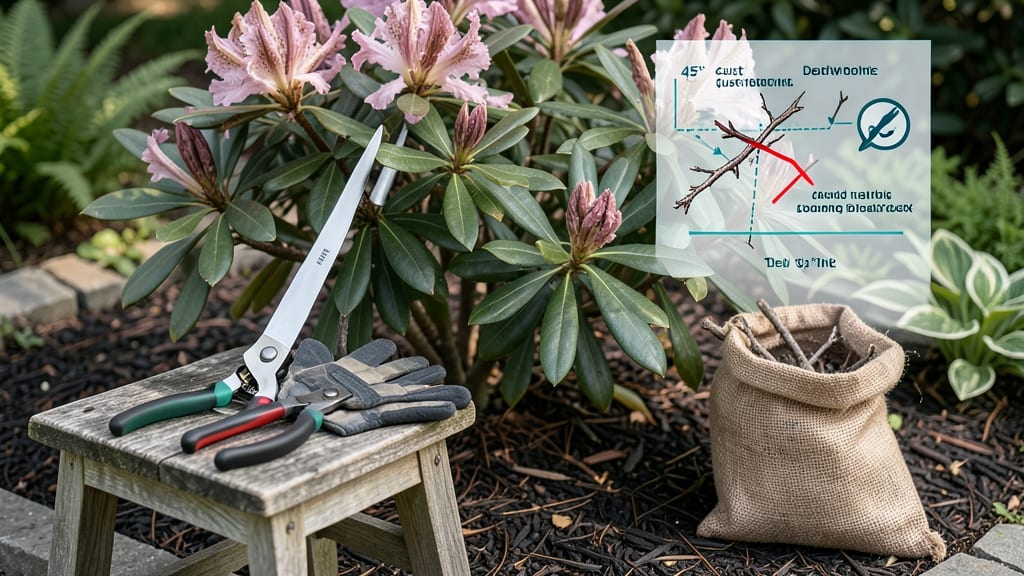
Pruning rhododendrons in late winter unlocks their full potential—bigger blooms, denser foliage, and a shape that turns heads. ✂️ I’ve watched my own bushes go from scraggly to showstopping after just one careful trim, and the secret isn’t complicated: timing, technique, and a little patience.
Most gardeners overdo it, but these plants reward precision over aggression.
Start by removing dead or crossing branches first—they’re the easiest cuts and make room for new growth. Then, shape lightly by trimming just the tips of older stems to encourage fuller blooms next season.
Avoid cutting into old wood (the brown, woody stems), as it won’t regrow. With the right approach, your rhododendron will bounce back stronger, and those spring blooms will be larger and longer-lasting than ever.
📚 In This Guide
- What you need
- Instructions
- Tips and common mistakes
- Wrapping up and next steps
What you need
- ● Bypass pruners: Sharp, clean, and disinfected (70% isopropyl alcohol works great). Choose 5-inch blades for thicker stems (½ inch or larger).
- ● Loppers: For branches ½ to 1½ inches thick. Opt for 8-inch bypass loppers for precision.
- ● Hand saw: A pruning saw with a curved blade for stubborn, woody stems over 1½ inches thick.
- ● Gloves: Heavy-duty gardening gloves (nitrile or leather) to protect against thorns and sap.
- ● Disinfectant: Rubbing alcohol (70% isopropyl) or a commercial pruning sealant to prevent disease spread.
- ● Pruning shears (for fine trimming): 4-inch anvil pruners for delicate adjustments.
- ● Ladder or step stool: If your rhododendron is taller than 5 feet.
- ● Trash bags or bucket: For collecting pruned branches and debris.
- ● Sharpie or marker: To label cuts if you’re training the plant (e.g., marking new leaders).
- ● Safety glasses: If sawing thick branches to avoid debris.
- ● Timing: Prune in late winter or early spring (just as buds swell but before new growth starts). Avoid pruning after June to prevent cutting off next year’s blooms!
- ● Weather: Choose a dry, calm day—pruning in wet or windy conditions can stress the plant.
- ● Plant health check: Inspect your rhododendron for pests or disease (e.g., spider mites, powdery mildew) before pruning. Treat issues first!
- ● Water: Have a hose or watering can ready to hydrate the plant post-pruning (especially in dry climates).
Step-by-step guide to pruning rhododendron
This is how I revive my rhododendrons every late winter—simple cuts lead to bigger blooms and healthier plants.
⏰ Step 1: Choose the Right Time
Prune your rhododendron in late winter, just as new growth begins but before buds swell. I aim for February or early March in most climates, when the plant is still dormant but spring isn’t far off. This timing ensures you remove last year’s spent blooms while leaving next year’s flower buds intact.
Look for dormant buds along the stems—these are the future blooms. If you prune too early, you risk cutting off next year’s flowers. If you wait too long, you’ll be removing new growth instead of dead stems. I always check the forecast for mild, dry days to avoid pruning before rain.
✂️ Step 2: Gather Tools and Inspect the Plant
You’ll need clean, sharp pruning shears (sterilized with rubbing alcohol) and gloves to protect your hands from the plant’s mild irritants. I also keep a small bucket nearby to collect clippings. Start by inspecting your rhododendron for dead, diseased, or crossing branches—these are your first targets.
Dead branches snap easily when bent, while healthy ones bend slightly. Diseased branches may have black spots or oozing sap. Remove any branches that rub against others, as this creates wounds that invite pests. I like to step back and take a photo first—it helps me visualize the plant’s natural shape.
🌿 Step 3: Remove Dead and Problematic Growth
Begin by cutting out 100% of last year’s flower stems—these are the long, leafless branches that bloomed the previous season. Cut them back to the nearest healthy leaf node or outward-facing bud. This encourages the plant to focus energy on new growth rather than maintaining old stems.
Next, thin out 1/3 of the oldest stems at the base. These are usually the thickest, woody branches. Removing them opens up the center of the plant, allowing better air circulation and sunlight penetration. I make these cuts at a 45-degree angle, about 1/4 inch above a bud or outward-facing leaf.
☀️ Step 4: Shape and Encourage Fullness
Step back and assess the plant’s overall shape. Rhododendrons naturally grow in a rounded form, so aim to maintain that silhouette. Cut back any branches that are growing inward or crossing others, making sure your cuts leave outward-facing buds to guide new growth in the right direction.
For a bushier appearance, lightly trim the tips of the remaining branches by about 1/3 of their length. This stimulates branching and results in more flowers next season. Avoid heavy pruning—rhododendrons bloom on old wood, so don’t remove more than 1/3 of the plant’s total growth in one year.
💧 Step 5: Clean Up and Monitor Recovery
After pruning, dispose of the clippings in the trash (not compost)—rhododendron trimmings can harbor pests or diseases. Water the plant deeply to help it recover from the stress of pruning. I like to add a layer of mulch around the base to retain moisture and protect the roots as new growth begins.
Watch for new buds to swell within 2-4 weeks. These are your signal that the pruning was successful. Avoid fertilizing immediately after pruning—wait until you see new growth before applying any nutrients. Over-fertilizing can stress the plant and reduce flowering.
Tips & tricks for perfect rhododendron pruning
These simple yet powerful techniques will help you transform your rhododendron into a blooming powerhouse year after year.
Timing is Everything: The late winter window between February and early March is your sweet spot for pruning rhododendrons. I've learned this the hard way—pruning too early risks cutting off next year's flower buds, while waiting too long removes new growth that should be preserved. Look for those tiny dormant buds along the stems as your signal that it's time to prune. These buds are your plant's promise of next season's blooms, so protect them at all costs.
Tool Prep Matters: Never skip sterilizing your pruning shears with rubbing alcohol before you start. I've seen gardeners skip this step and end up with infected plants. Clean tools prevent spreading diseases between cuts. Also, make sure your shears are sharp—dull blades crush stems instead of making clean cuts, which stresses the plant. A quick test: if your shears struggle to cut through a pencil, they need sharpening.
Visual Cues for Healthy Cuts: When making your cuts, always aim for a 45-degree angle about 1/4 inch above an outward-facing bud. This angle helps water run off the cut and prevents rot. I like to visualize the plant's natural shape before making any cuts—step back frequently and imagine how each cut will affect the overall silhouette. Think of it like sculpting: every cut should serve a purpose in creating that perfect rounded form.
Recovery Care is Critical: After pruning, don't just walk away. Water deeply to help the plant recover from the stress, and add a layer of mulch around the base to retain moisture. I've noticed that plants with proper aftercare show new buds swelling within just 2-4 weeks. This is your reward for doing the work right—the first sign that your pruning paid off. Avoid fertilizing immediately after pruning, as the plant needs time to heal before taking on extra nutrients.
Pro Tips for Prune Rhododendron
- These simple yet powerful techniques will help you transform your rhododendron into a blooming powerhouse year after ...
- Timing is Everything: The late winter window between February and early March is your sweet spot for pruning rhododen...
- Tool Prep Matters: Never skip sterilizing your pruning shears with rubbing alcohol before you start. I've seen garden...
Frequently asked questions
Got questions about pruning rhododendrons? You’re not alone! Here are answers to the most common concerns—so you can confidently shape your shrubs for stunning blooms next season.
When is the absolute best time to prune rhododendrons?
The ideal window is late winter (just after flowering or before buds swell) or early spring. Never prune in fall—it stresses the plant and invites pests. If you missed the window, prune lightly in summer after blooming, but avoid heavy cuts.
Can I prune rhododendrons too much? What’s the rule?
Yes! Prune no more than 1/3 of the plant’s total growth per year. Over-pruning weakens roots and reduces next year’s blooms. Focus on shaping, not drastic cuts. Mature shrubs can handle a little more, but young or flowering plants need gentle hands.
What if my rhododendron doesn’t bloom after pruning?
Bloom loss usually means you pruned old wood (last year’s stems). Rhododendrons flower on new growth, so avoid cutting back into woody stems. If it’s been years since blooms, the shrub may be overgrown—prune gradually over 2–3 seasons to revive it.
Should I prune after rain? What if it’s wet outside?
Avoid pruning when the ground is soggy or frost is forecast. Wait for dry, calm weather to prevent disease spread. If rain is in the forecast, finish pruning a few days ahead. Tools and cuts should be clean and sharp—never use dull shears on wet foliage.
Can I rejuvenate an overgrown rhododendron? How?
If your shrub is a tangled mess, don’t panic! Start by removing dead or crossing branches first. Then, over 2–3 years, prune back 1/3 of the oldest stems each year to encourage fresh growth. Fertilize lightly with acidic, slow-release fertilizer to support recovery.
What if my rhododendron gets diseased after pruning?
Sterilize tools with rubbing alcohol before/after cuts to prevent fungal/bacterial spread. If you spot blackened leaves, powdery mildew, or oozing stems, prune affected areas immediately and treat with a copper fungicide. Improve airflow by thinning dense growth.
Still stumped? Drop your rhododendron pruning questions in the comments—we’re happy to help!
Wrapping up and next steps
Pruning your rhododendron in late winter isn’t just a chore—it’s your secret to bigger, more vibrant blooms and a healthier plant! By following these steps, you’ll encourage strong growth, improve airflow, and keep your shrub looking its best for years to come. 🌸✨
Now that you’re armed with the know-how, grab those pruners and get to work—your rhododendron will thank you with a stunning spring display. Ready for more? Check out our guide on fertilizing rhododendrons to keep them thriving all season long!