
Pruning
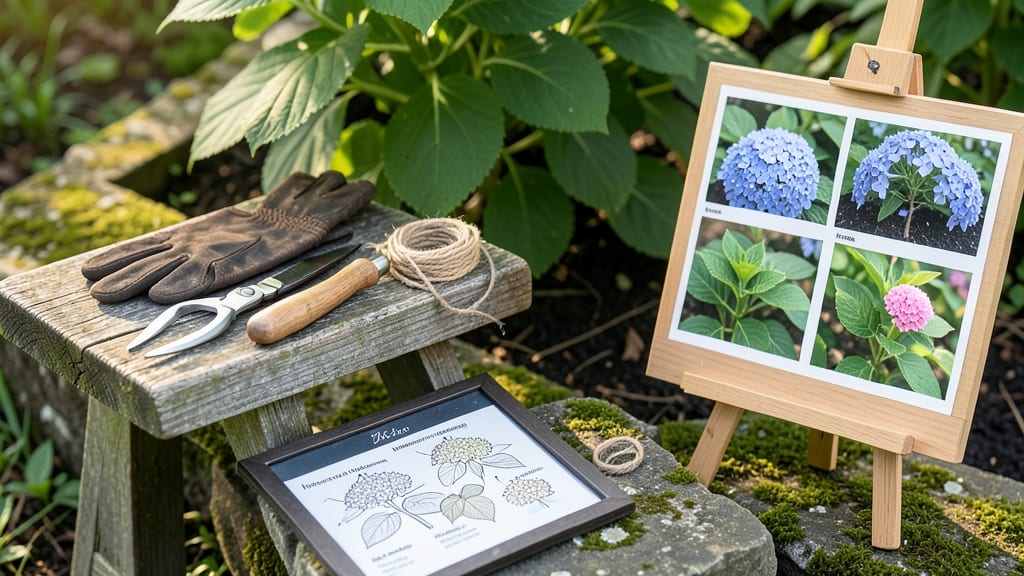
Pruning hydrangea bushes at the right time is the game-changer for bigger blooms next year — and late winter is your secret weapon.
Struggling to get your hydrangeas to bloom bigger and brighter? The secret might be hiding in your pruning schedule—timing is everything for these stunning shrubs.
Most gardeners wait until spring, but that’s when you risk cutting off next year’s flower buds before they even form. In USDA Zone 6, the ideal window is just after the coldest months, around March, when the plant is still dormant but the frost threat has passed.
In this guide, I’ll break down the exact steps for late winter pruning, how to tell old-wood from new-wood types, and the 3 common mistakes that ruin blooms before they even start.
Why late winter pruning maximizes hydrangea bloom size
If your hydrangeas are producing smaller blooms than expected, the issue might start with your pruning schedule. Late winter pruning isn’t just about tidying up your shrubs—it’s a scientific strategy to trigger larger, more vibrant flowers next season.
When you time your cuts correctly, you’re essentially giving your hydrangea a growth reset that encourages stronger stems and bigger buds.
The key lies in understanding your hydrangea’s dormancy cycle. During late winter, these shrubs are in a resting phase, conserving energy after winter’s chill. Pruning at this time removes last year’s growth while allowing new, vigorous shoots to emerge with plenty of energy reserves.
This process is especially critical for mophead and lacecap varieties, which rely on old-wood blooms formed the previous season.
But timing is everything—prune too early, and you risk exposing tender buds to late frosts. Prune too late, and you’ll cut off next year’s flower buds before they form.
The ideal window is after your region’s coldest months but before new growth appears, typically February to early March in most U.S. climates. This balance ensures your hydrangea can recover quickly and focus energy on bloom production.
| Hydrangea Type | Bloom Type | Best Pruning Time | Pruning Goal |
|---|---|---|---|
| Mophead (e.g., 'Endless Summer') | Old wood + new wood | Late winter (Feb-Mar) | Remove dead wood; shape for airflow |
| Lacecap (e.g., 'Limelight') | Old wood | Late winter (Feb-Mar) | Prune lightly; preserve bud clusters |
| Oakleaf (e.g., 'Snow Queen') | Old wood | Late winter (Feb-Mar) | Remove 1/3 of oldest stems |
| Panicle (e.g., 'Little Lime') | New wood | Late winter OR summer | Cut back by 1/2 to encourage new growth |
The science behind late winter pruning comes down to hormonal triggers. When you remove last year’s stems, you stimulate the production of auxin hormones, which promote cell elongation and bigger flower buds.
This is why mophead hydrangeas, which bloom on old wood, benefit so much from this timing—they’ve already set their flower buds for next year by late summer, and pruning in winter clears space for healthier new growth.
For oakleaf hydrangeas, late winter pruning also rejuvenates aging stems. These varieties naturally shed older branches over time, and strategic pruning removes weak or crowded stems, redirecting energy to younger, more productive wood.
The result? Larger leaves and more abundant blooms in shades of white, pink, or purple.
One common misconception is that all hydrangeas should be pruned the same way. In reality, panicle hydrangeas (like 'Little Lime') are exceptions—they bloom on new wood, so you can prune them late winter OR summer.
However, late winter pruning still offers advantages: it encourages earlier blooming and taller stems by giving the plant a full growing season to develop.
To identify the perfect pruning window in your area, watch for two key signs: consistent daytime temperatures above 40°F and the absence of new leaf buds.
If you see tiny green buds swelling on the stems, it’s too late—those are next year’s flower buds, and cutting them off will reduce bloom size.
In USDA zones 5-7, this typically falls in late February to early March, while warmer zones (8-9) can prune as late as March or early April.
Proper late winter pruning also improves air circulation within the shrub, reducing the risk of fungal diseases like powdery mildew. By removing crossing or inward-growing branches, you create a more open canopy, which allows sunlight to penetrate deeper and enhance flower production.
This is especially important for lacecap hydrangeas, whose delicate blooms thrive in bright, indirect light.
Think of late winter pruning as a growth reset button for your hydrangeas. When done correctly
Step-by-step late winter pruning guide for hydrangeas
Late winter is the perfect time to prune your hydrangea bushes for bigger, healthier blooms next season. When done correctly, this seasonal task encourages strong new growth and removes dead or weak wood that can drain energy.
For USDA zones 5-9, aim to prune after the coldest months but before buds swell—typically between late February and early March.
Not all hydrangeas need pruning the same way. Old-wood types like mophead and lacecap bloom on previous year's growth, while new-wood types such as panicle and smooth hydrangeas bloom on current season's stems.
Knowing your variety is critical to avoid accidentally removing next year’s flowers. Let’s get started with the step-by-step process to prune like a pro!
✂️ Step-by-Step Late Winter Pruning Guide
- Step 1: Gather tools – You’ll need sharp pruning shears, sterilized loppers, gloves, and disinfectant (rubbing alcohol).
- Step 2: Identify dead/diseased wood – Look for brown, mushy, or hollow stems and remove them first at the base.
- Step 3: Locate buds – For old-wood types, cut just above outward-facing buds (about 1/4-inch away).
- Step 4: Shape the shrub – Trim back 1/3 of the oldest stems to encourage new growth and improve airflow.
- Step 5: Clean up – Remove all pruned debris and sterilize tools to prevent disease spread.
When making cuts, always aim for a clean, slanted angle about 1/4-inch above a bud. This ensures proper healing and directs new growth in the right direction. For old-wood hydrangeas, avoid cutting back more than 1/3 of the plant—this can reduce next year’s blooms significantly.
If you’re unsure whether a stem is dead, scratch the bark—if it’s green underneath, it’s still alive!
Pro tip: New-wood hydrangeas (like panicle) can be pruned more aggressively in late winter, as they bloom on current season’s growth. Cut back almost to the ground if needed, but leave 2-3 strong stems for structure.
This rejuvenates the plant and often results in larger blooms later in the season.
After pruning, give your hydrangeas a light fertilizer to support new growth. Water deeply but avoid overwatering, as soggy soil can lead to root rot. Mulch around the base to retain moisture and protect roots as temperatures fluctuate.
With the right timing and technique, your hydrangeas will thank you with stunning blooms all summer long!
Remember, patience is key—hydrangeas respond well to gradual pruning over time. If you missed the late winter window, don’t worry! Old-wood types can be pruned immediately after blooming, but new-wood types should wait until late winter/early spring for best results. Happy pruning!